
Horse riding is exciting, but accidents can occur, and you may get injured. Knowing what to do after an injury keeps you safe and helps you heal faster. Acting quickly stops small injuries from getting worse. For example:
- Check yourself and press on bleeding spots to stop blood.
- Use a clean cloth to cover cuts and prevent germs.
- Stay still if you think a bone is broken.
These actions save time and help doctors treat you better. Being ready matters when every second is important.
Key Takeaways
- Respond fast after an injury. Look for bleeding and stay calm to heal quicker.
- Wear a helmet and safety gear that fits well. This lowers the chance of bad injuries while riding.
- Check your riding gear before every ride. Fix any damage to stay safe and keep your horse comfy.
- Check and care for your horse's shoes often. This stops accidents and keeps your horse healthy.
- Trust and talk with your horse. A good bond makes riding safer and more fun.
7 Immediate Steps to Take If You Get Injured
Check Yourself and Stay Calm
After a horse riding accident, check how you feel. Look for pain, bleeding, or anything unusual. If you feel dizzy, sit down right away. Staying calm is very important. Panicking can make things worse and slow your thinking. Breathe deeply through your nose and slowly out through your mouth. This helps you stay relaxed and think clearly.
If you think you are seriously hurt, try not to move. For example, if you believe a bone is broken, keep it still. This stops more harm and helps doctors treat you better later.
Tip: Always bring a small first aid kit when riding. It helps with small injuries until help arrives.
Get to a Safe Spot
Once you check yourself, move to a safe place if you can. Staying near other riders or a scared horse can be dangerous. If walking doesn’t hurt, go to the side of the trail or an open area.
If you can’t move, call for help. Wave your arms or yell to get attention. Many riders carry whistles or phones for emergencies. Use these to let others know you need help.
Note: Don’t move if you think your back or neck is hurt. Wait for trained people to help you.
Get Medical Help Quickly
Getting medical help fast is very important, even for small injuries. Some problems, like head injuries or internal bleeding, might not show right away. Waiting too long can make things worse.
Studies show horse riding injuries can be very different. For example, 28% of injuries are broken bones, and 12% are head injuries. The chart below shows the percentages of common injuries:
If you feel strong pain, swelling, or confusion, call for emergency help. For smaller injuries, see a doctor or urgent care quickly. Fast treatment helps you heal better and avoid bigger problems later.
Reminder: Always tell someone where you’re riding. This helps them find you fast if something goes wrong.
Check for Head or Serious Injuries
After falling, check for signs of a concussion or other injuries. Head injuries can be tricky because symptoms may not show right away. Watch for dizziness, nausea, confusion, or blurry vision. If you notice these, stop everything and get medical help fast.
Also, check for other serious injuries like broken bones or internal bleeding. Swelling, sharp pain, or trouble moving a body part could mean a fracture. If you think something is seriously hurt, don’t move it. Wait for trained help to arrive.
Tip: Always wear a helmet that fits well when riding. It lowers the chance of head injuries a lot.
Write Down What Happened
If you get hurt, write down what happened quickly. Do this while you still remember the details clearly. Include things like the time, place, and what caused the accident. For example, note if the horse got scared or the ground was slippery.
Taking pictures of the area and your injuries is also helpful. This information is useful for several reasons:
- It helps doctors understand what happened.
- It gives ideas for making riding safer.
- It supports insurance claims or legal needs, if needed.
Groups like the British Horse Society ask riders to report accidents. These reports help improve safety rules and practices. By sharing your experience, you help make riding safer for everyone.
Reminder: Keep a copy of your notes and photos for yourself.
Tell the Stable or Authorities
Once you’re safe, tell the stable staff or authorities about the accident. This step is important for a few reasons. First, it helps fix any safety problems, like broken equipment or dangerous areas. Second, it makes sure the accident is officially recorded, which can help with insurance or legal issues.
Reporting accidents also helps the riding community. When groups get reports, they can study them to find common dangers and create better safety rules. Your report might stop similar accidents from happening again.
Note: If you don’t know who to tell, start with the stable manager. They can guide you on what to do next.
Rest and Follow Medical Guidance
After falling off a horse, your body needs time to heal. Resting is very important for recovery. Even if you feel okay, doing too much can slow healing or make things worse. Pay attention to your body and take care of it.
Follow what the doctor tells you carefully. If you get medicine, take it as told. Don’t skip doses or stop early, or it might not work well. For injuries like sprains or broken bones, use braces or slings if the doctor recommends them. These tools protect the hurt area and help it heal faster.
Tip: Write in a journal about your recovery. Note how you feel each day and any changes. This helps you see progress and share details with your doctor.
You might need physical therapy to get better. Therapists show you exercises to make muscles stronger and improve movement. Go to all your sessions and practice at home. Doing this often helps you heal and avoid future problems.
Getting hurt can also affect your feelings. You might feel scared to ride again. Talk to someone you trust, like a friend or counselor, about how you feel. Sharing your thoughts can help you feel better and gain confidence.
Reminder: Don’t rush back to riding. Wait until your doctor says it’s safe. Riding too soon can cause another injury.
Resting and following medical advice helps you recover well. Take small steps and ask for help when needed.
Why Horseshoe Maintenance Is Important for Safety
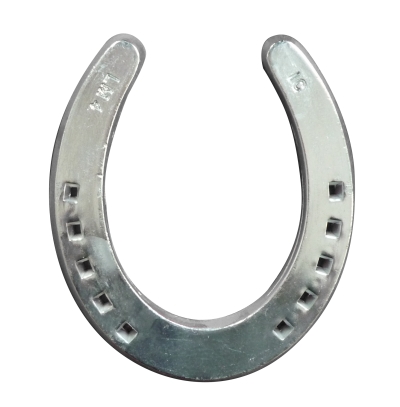
Horseshoes help keep your horse safe and healthy. Taking care of them makes sure your horse moves easily and avoids accidents. Ignoring this job can cause big problems for you and your horse.
Dangers of Bad Horseshoe Care
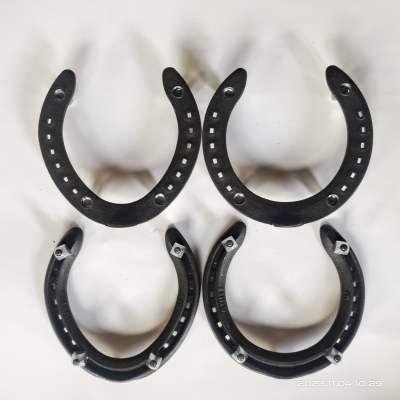
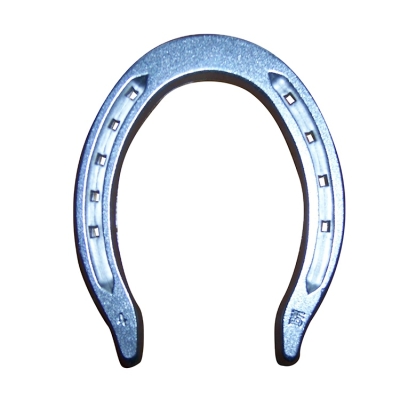
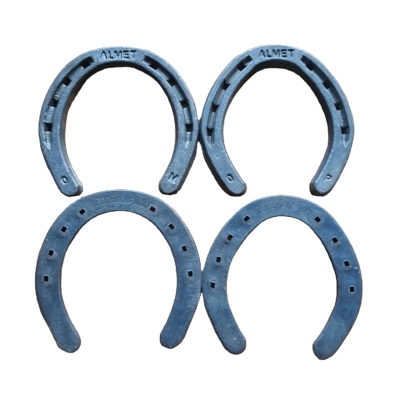
If horseshoes are not cared for, problems can happen. Loose or old horseshoes might move or fall off. This can make your horse trip or lose balance, leading to falls.
Metal horseshoes are strong but can be dangerous. If your horse kicks someone or another horse, it can cause bad injuries. Safer options like Relia Horseshoe protect without these risks.
The table below shows common horseshoe dangers and safer choices:
| Problem Type | Details |
|---|---|
| Horseshoe Dangers | Metal shoes can hurt others if your horse kicks. |
| Safer Choices | Relia Horseshoe protect without metal risks. |
| Safety Tips | Removing metal shoes lowers injury risks. |
Fixing these dangers makes riding safer and helps prevent accidents.
Tip: Always check your horse's shoes before and after riding to spot problems early.
Common Horseshoe Issues to Watch
Some horseshoe problems happen more often than others. Knowing what to check helps keep your horse safe and comfy. Look out for these issues:
- Loose or missing nails: These can make the shoe fall off.
- Worn-out shoes: Worn shoes lose grip, making slippery surfaces dangerous.
- Crooked shoes: These can cause uneven hoof growth and pain.
- Rust or cracks: Rust weakens shoes, and cracks can hurt hooves.
Checking often helps you find these problems early. If you see any, call a farrier to fix them.
Reminder: Make a schedule to check and replace shoes regularly to avoid surprises.
How to Take Care of Horseshoes
Good horseshoe care keeps your horse healthy and safe. Follow these tips to keep their hooves in great shape:
- Trim and check hooves often to stop uneven growth.
- Pick horseshoes that fit your horse’s needs. For example, studs or borium help on slippery ground.
- Try modern shoes like glue-on or Polyflex. Glue-on shoes don’t need nails, and Polyflex shoes are soft and move naturally.
Here’s how to care for horseshoes step by step:
- Take off horseshoes every 4-6 weeks to check them.
- Look for rust, cracks, or other damage.
- Put the shoes back or replace them if needed.
Taking care of horseshoes keeps your horse safe and improves their performance. Well-maintained shoes lower the chance of slips and injuries, so you can ride worry-free.
Note: Always work with a farrier to make sure your horse’s shoes fit well and are in good shape.
By following these steps, you’ll keep your horse safe and happy, making every ride better for both of you.
The Importance of Regular Farrier Visits
Seeing a farrier often is very important for your horse. A farrier is an expert who takes care of hooves and horseshoes. Regular check-ups keep your horse’s hooves healthy and lower the chance of injuries or pain.
Why Farrier Visits Matter
Your horse’s hooves grow all the time, like your nails. If they aren’t trimmed, they can crack, grow unevenly, or get too long. This can hurt your horse, make walking hard, and cause health problems. A farrier helps by:
- Trimming hooves to keep them balanced and shaped right.
- Fixing or replacing horseshoes so they fit well.
- Spotting hoof problems early, like thrush or laminitis.
Tip: Plan farrier visits every 4 to 6 weeks to keep hooves healthy.
Benefits of Regular Farrier Care
Having a farrier visit often helps both you and your horse. Here’s why it’s worth it:
-
More Comfort for Your Horse
Healthy hooves let your horse walk and move easily. Poor hoof care can hurt and make riding unsafe. -
Better Performance
Good hooves improve balance and movement. Well-fitted shoes also help with grip on different surfaces. -
Stops Big Problems Early
Farriers find small issues before they get worse. For example, they can fix a loose shoe or a small crack early, saving you money later. -
Shoes Last Longer
Taking care of shoes makes them last longer. This saves money and keeps your horse safe.
What Happens During a Farrier Visit
A farrier visit has steps to check and fix your horse’s hooves. Here’s what they do:
- Look at each hoof for damage or disease.
- Trim hooves to the right size and shape.
- Check shoes for loose nails, cracks, or wear.
- Fix or replace shoes so they fit snugly.
Reminder: Clean your horse’s hooves before the farrier comes. This helps them work faster and spot problems.
Working with Your Farrier
Having a good relationship with your farrier helps your horse. Talk about your horse’s needs and any worries you have. Share how often you ride so they can pick the best shoes.
Note: Trust your farrier’s advice. They know what’s best for your horse’s hooves.
Regular farrier visits keep your horse safe and happy. Healthy hooves make riding more fun and safer for both of you.
Tips to Prevent Future Horse Riding Injuries
Wear the Right Safety Gear
Using proper safety gear lowers your chance of getting hurt. A 2023 study showed horse riding causes more concussions than football or rugby. Modern helmets can reduce serious head injuries by 40-70%. However, only 6% of riders wore helmets during accidents. This led to nearly half of riders having at least one concussion in their life.
Always wear a helmet made for horseback riding. Make sure it fits well. Safety vests are also important, especially for risky activities like cross-country. These vests protect your chest and back from hard impacts. Shoes with small heels stop your feet from slipping through stirrups.
Tip: Replace your helmet after a fall or every five years. Even if it looks fine, helmets lose their strength over time.
Check Your Riding Gear Often
Your riding gear is key to staying safe. Before each ride, inspect your saddle, bridle, and stirrups for damage. Look for loose stitches, cracked leather, or broken buckles. These problems can cause your gear to fail and lead to accidents.
Pay close attention to the girth or cinch. This part keeps the saddle in place. If it’s loose or broken, the saddle might slip, making you lose balance. Clean and condition leather gear often to keep it strong and flexible.
Reminder: Use a checklist to inspect your gear before riding. This helps you avoid missing anything important.
Ride Safely and Stay Alert
How you act while riding affects your safety. Always mount and dismount calmly and carefully. Avoid sudden moves or loud noises that could scare your horse. Keep a good posture to stay balanced and in control.
Learn to understand your horse’s body language. Signs like pinned ears or a swishing tail can show discomfort or fear. Riding with an experienced partner or instructor can help you learn safer habits.
Note: Don’t push your horse too hard. A tired or stressed horse is more likely to act unpredictably.
By wearing safety gear, checking equipment, and riding carefully, you can enjoy horseback riding while staying safe.
Build Trust and Communication with Your Horse
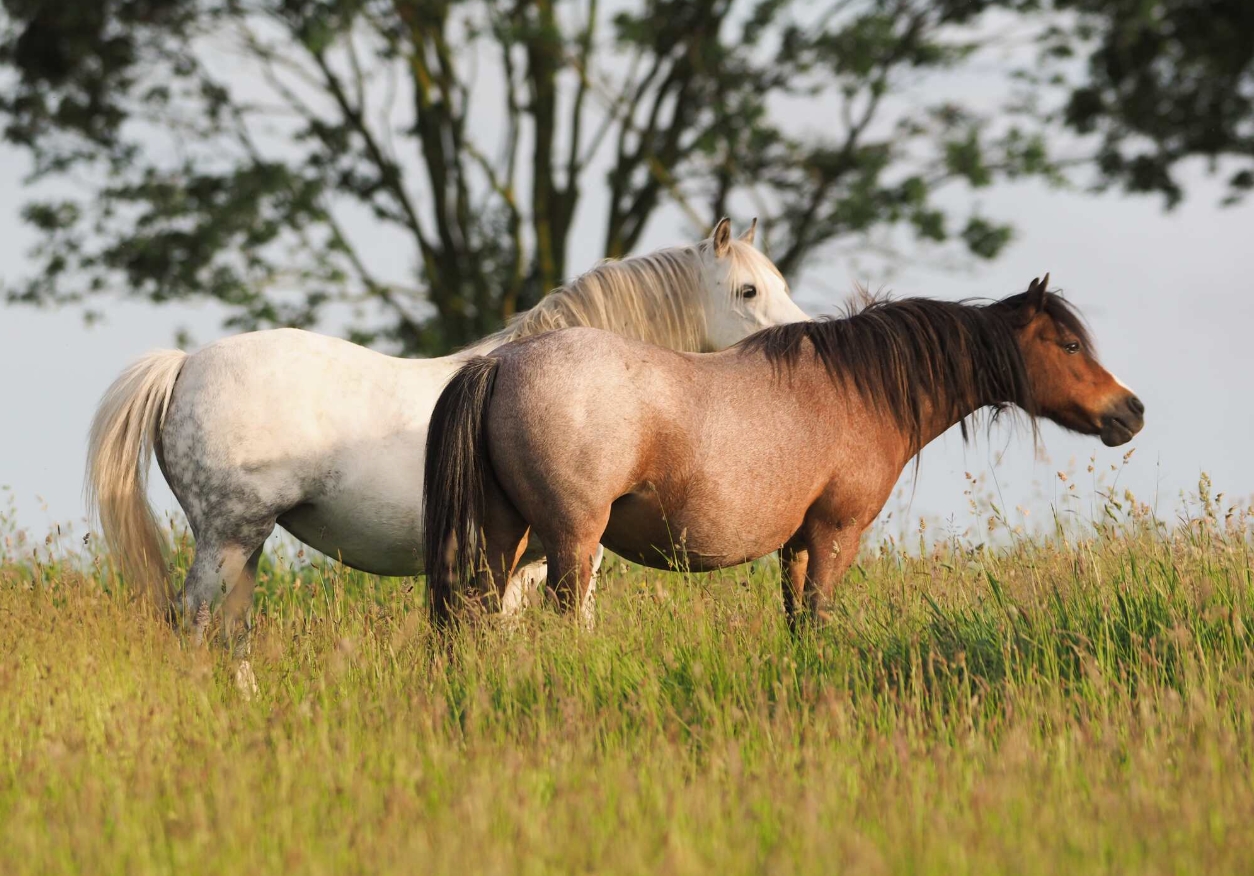
Trust is important for safe and fun riding. Horses are sensitive and react to how you act and feel. When you bond with your horse, it feels safer and listens better. This lowers the chance of accidents and makes riding more enjoyable for both of you.
Why Trust Matters
Trust makes you and your horse a team. A trusting horse follows your signals calmly, even in tough situations. This teamwork improves safety and helps your horse stay relaxed. A calm horse behaves better and performs well.
| Benefits of Trust Between Rider and Horse: |
|---|
| – Safer rides for both horse and rider. |
| – Better teamwork and performance. |
| – More fun and happiness for both. |
| – Less stress for the horse. |
| – A strong, lasting bond. |
How to Build Trust
Spend time with your horse to build trust. Grooming, feeding, and just being nearby help your horse feel at ease. Speak softly and move gently to show you’re friendly.
Training also builds trust. Teach simple commands and reward good behavior with treats or kind words. Positive rewards make your horse enjoy learning and trust you more.
Tip: Be patient. Horses need time to trust new people.
Communication Is Key
Clear communication helps build trust. Use the same signals and body language every time. For example, always use the same cue to stop your horse. Changing signals can confuse your horse and hurt trust.
Watch your horse’s body language too. Signs like pinned ears or stiff posture may mean fear or discomfort. Responding to these signs shows you care about your horse’s feelings.
When you build trust and communicate well, riding becomes safer and more fun. A strong bond turns every ride into teamwork, not just a chore.
Acting fast after a horse riding injury helps you heal better. Knowing the right steps keeps you safe and prevents more injuries. Taking care of your horse’s shoes is also very important. Good horseshoe care lowers accident risks and keeps your horse happy.
Reminder: Safety begins with being ready. Always wear the right gear, inspect your equipment, and bond with your horse. These actions make riding safer and more fun. Staying prepared protects both you and your horse every ride.
FAQ
What should you do if your horse loses a shoe during a ride?
Stop riding immediately and check your horse’s hoof for damage. Avoid walking on hard or uneven surfaces. Call a farrier to replace the shoe as soon as possible.
Tip: Carry a hoof boot during rides. It protects the hoof until the shoe is replaced.
How often should you replace your horse’s shoes?
Replace horseshoes every 4 to 6 weeks. Hooves grow continuously, and shoes can wear out or loosen over time. Regular replacements ensure proper hoof health and prevent injuries.
Reminder: Schedule farrier visits to keep your horse’s hooves in top condition.
Can you ride a horse without horseshoes?
Yes, some horses can go barefoot if their hooves are healthy and the terrain is soft. However, rocky or uneven surfaces may require protective boots or shoes to prevent injuries.
Note: Consult your farrier to decide if barefoot riding suits your horse.
What is the best way to clean a horse’s hooves?
Use a hoof pick to remove dirt, stones, and debris. Start at the heel and work toward the toe. Check for cracks, thrush, or other issues while cleaning.
Tip: Clean hooves daily to maintain hoof health and spot problems early.
How can you tell if a horseshoe fits properly?
A well-fitted horseshoe aligns with the hoof’s shape and size. It should not pinch or leave gaps. Loose nails or uneven wear indicate poor fit.
Reminder: Always rely on a professional farrier to ensure proper shoe fitting.