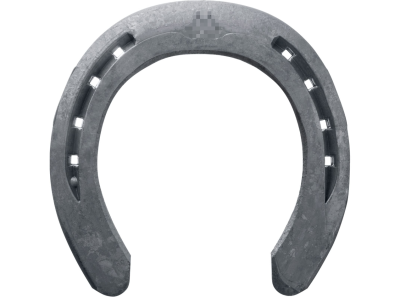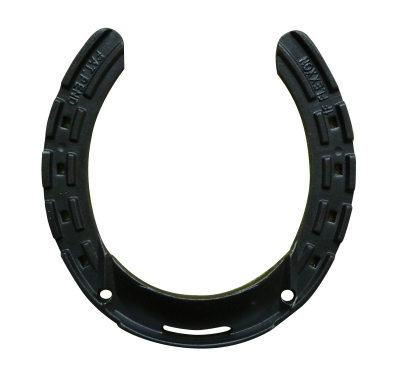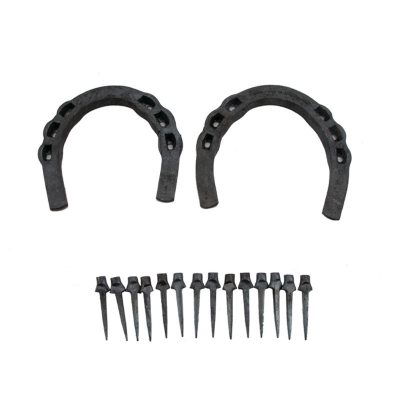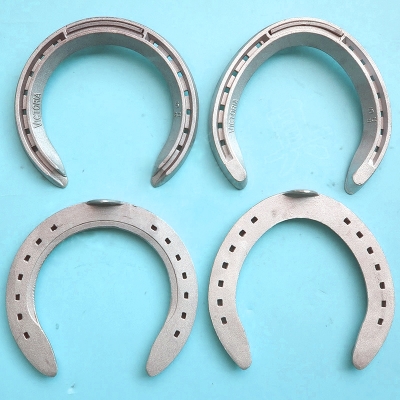


Horse safety and performance depend on good horseshoe alignment and grip. Badly placed shoes or weak grip can make horses unstable. This can affect how they move and may cause injuries. Research shows that shoe and surface types change how hooves work. For example, grass surfaces give better grip. This lowers slipping and keeps horses steady when running fast.
Your barn's setup is very important for these things, and following a Barn Construction Guide can help ensure optimal conditions. The floors, air flow, and design affect grip and wetness control. Adding the right features to your barn, as outlined in the Barn Construction Guide, can make it safer. It can also help horses perform better and move confidently.
Key Takeaways
- Pick strong floors that are not slippery to avoid falls. Rubber and rough surfaces help horses stand safely.
- Add a drainage system to keep floors dry and safe. Dry floors stop slipping and make them last longer.
- Build stalls with enough room and safe floors for easy movement. Good space stops crowding and keeps horses calm.
- Make sure the barn has good airflow to control wetness and heat. This keeps it dry and stops mold and slippery spots.
- Use bright lights to see better and stay safe. Well-placed lights prevent accidents and help you check on horses easily.
Flooring Materials for Traction
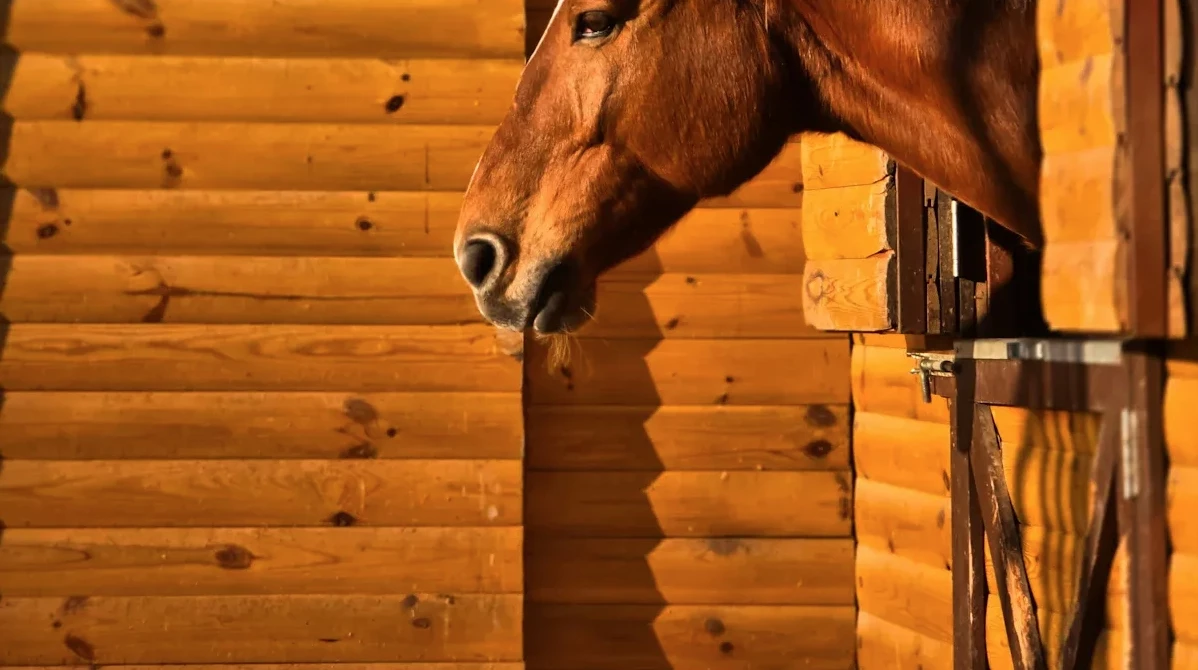
Picking strong and non-slippery flooring
Choosing safe flooring is key for your barn's safety. Strong, non-slippery floors stop accidents and help horses move safely. Concrete is tough but gets slippery when wet. Adding textured finishes or coatings can improve grip. Gravel and packed dirt are other choices but need regular upkeep to stay safe.
Pick flooring that handles heavy use and lasts a long time. Weak floors wear out fast from horseshoes, costing more later. Spending on good materials saves money and keeps horses safe. Always choose safety and strength over cheap options.
Benefits of rubber and textured floors
Rubber and textured floors have many advantages. Rubber mats give great grip, even when wet, stopping slips and falls. They also cushion hooves and joints, reducing strain. Grooved concrete or patterned rubber adds extra grip and stability.
Rubber floors are easy to clean. You can sweep or hose them quickly, keeping the barn clean and fresh. These floors last a long time and need little care, making them a smart choice for barns.
Flooring mistakes to avoid
Avoid common flooring errors to keep your barn safe. Smooth concrete without texture gets slippery and causes accidents. Forgetting to level the ground before flooring leads to tripping hazards and uneven wear.
Don’t use materials that can’t handle water or heavy use. Untreated wood rots, and loose gravel shifts, making footing unsafe. Follow a trusted Barn Construction Guide to pick the best flooring for your barn.
Drainage Systems to Stop Slippery Floors
Why barns need good drainage
Water in barns makes floors slippery and unsafe for horses. A good drainage system stops water from collecting, keeping floors dry. Without it, water can damage floors, making them wear out faster. This reduces grip and raises repair costs. A well-planned drainage system keeps your barn safe and usable, even in heavy rain or snow.
Drainage systems you can use
There are different drainage systems to pick for your barn. French drains are common. They use gravel and pipes to move water away. These drains work well and are simple to set up. Trench drains are another choice. They are long channels that carry water to an outlet. These are great for places with lots of rain.
Inside the barn, think about using sloped flooring. Sloped floors guide water to drains, stopping puddles. Adding floor drains with sloped floors removes water quickly. Each system has benefits, so pick one that fits your barn's design and weather.
How to care for drainage systems
To keep your drainage working, clean it often. Check drains and pipes for clogs. Remove leaves, mud, or hay that block water flow. Clean trench and floor drains regularly to keep them clear. For French drains, replace gravel if it gets packed or blocked.
Watch the slope of your floors over time. Uneven floors can stop water from draining, so fix them fast. Using a trusted Barn Construction Guide helps you build and maintain a drainage system that lasts.
Stall Layout and Spacing
Making stalls safe for horse movement
Stalls should let horses move easily and safely. Design stalls with wide doors for smooth entry and exit. Rounded corners stop injuries from sharp edges. Smooth transitions between stalls lower the chance of tripping.
Use non-slip flooring inside stalls to keep horses steady. Rubber mats or textured floors give good grip and reduce hoof strain. A well-designed stall helps horses move naturally and stay safe from accidents.
Best stall size for horse comfort
Horses need enough space to feel comfortable and healthy. A box stall should be at least 12 feet by 12 feet (3.6 meters by 3.6 meters). This size lets horses lie down, turn, and stretch easily. Enough room helps their body and mind stay healthy.
When setting up your barn, space stalls evenly. Overcrowded stalls can stress horses and make them uncomfortable. Following barn building tips ensures stalls are the right size for horse care.
Stopping overcrowding to improve safety
Overcrowded stalls can cause safety problems for horses. Tight spaces make it hard for horses to move, leading to slips. Cramped stalls can also cause stress or aggressive behavior.
Keep stalls separate to avoid overcrowding. Use barriers or partitions to give each horse its own space. This setup stops horses from bumping into each other or slipping. Proper spacing improves traction and makes the barn safer.
Ventilation for Dry Conditions
Why ventilation matters for keeping barns dry
Good ventilation helps keep barns dry and safe. Without airflow, moisture builds up fast, making floors damp and slippery. Slippery floors lower traction and can cause accidents. Damp conditions also lead to mold and bacteria, which harm horses' health. Air circulation stops these problems and keeps the barn safer.
Ventilation also controls temperature and humidity. Humid air makes barns uncomfortable and causes wet surfaces. A barn with good airflow stays fresh and dry. This improves safety and comfort for horses.
Types of barn ventilation systems
There are different ventilation systems for barns. Each works in specific ways:
- Natural Ventilation: Uses windows, vents, or roof openings to move air. It works well in areas with steady breezes.
- Mechanical Ventilation: Fans and exhaust systems push air through the barn. These are great for barns in places with little wind.
- Hybrid Systems: Mixes natural airflow with fans for flexibility. Use fans during hot or humid weather to help natural ventilation.
Pick a system that fits your barn's size, layout, and weather.
How to stop moisture for better traction
To stop moisture buildup, design and maintain your barn carefully. Add vents or roof openings to let warm air escape. Use fans to move air and lower humidity. Clean vents often to keep them clear.
Fix leaks quickly to keep the barn dry. Repair roof damage and stop water troughs from spilling. Dry floors improve grip and prevent slips.
Tip: Use a Barn Construction Guide to plan a ventilation system that reduces moisture and keeps horses safe.
Lighting for Safety and Visibility
Why good lighting is important in barns
Good lighting keeps barns safe and easy to see in. Bright areas lower the chance of accidents like tripping or slipping. Horses feel calmer in well-lit spaces, which helps them behave better. It also makes it easier to check horses for injuries or health problems.
Different barn tasks need different light levels. For example, walkways need about 10 lumens per square foot. Detailed work areas may need up to 180 lumens per square foot. The table below shows the suggested lighting levels for barn activities:
| Activity or Use | Lumens per ft² of area |
|---|---|
| Walkways or hallways | 10 |
| Mechanical workshops or office areas | 70 |
| Detailed mechanical work areas | 90 |
| Fine mechanical work | 180 |
| Visual inspection of low contrast items | 450 |
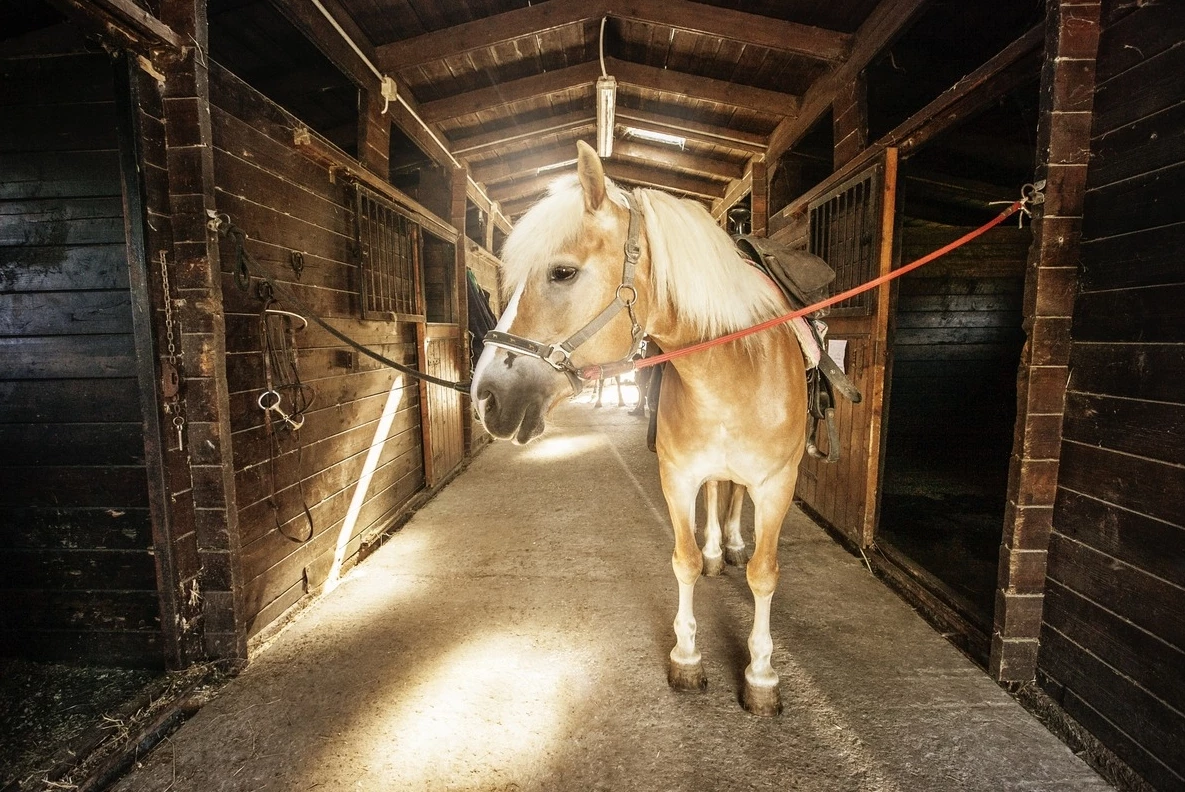
Picking the best lighting fixtures
Choosing the right lights gives better brightness and saves energy. LED lights are great for barns because they last long and use less power. They stay bright and are stronger than regular bulbs. Lights with covers stay safe from dust and damage, making them perfect for barns.
How lights are placed affects how much energy they use. For example, lights 15 cm apart use 20 kWh of energy. Lights 45 cm apart use 40 kWh. The chart below shows how distance affects energy use and efficiency:
Best places to put lights in barns
Placing lights smartly makes sure the barn is evenly lit. Put lights above walkways, stalls, and workspaces to avoid shadows. Use angled lights to shine where it’s needed most. In big barns, add more lights at regular spaces for steady brightness.
To keep lights safe, don’t place them too low. Horses might bump into them if they’re too close. Mount lights high enough to stay safe but still light up the barn well. A bright barn helps horses feel safe and makes it easier to work.
Maintenance for Traction and Alignment
Keeping barn floors clean
Clean barn floors help horses stay safe from slipping. Dirt, manure, and water can make floors slippery fast. Slippery floors raise the chance of accidents and injuries. Cleaning often removes these dangers and keeps horses safe.
Studies show bad floors can harm hooves and legs. Slippery floors hurt tendons and joints. Rough surfaces wear hooves faster. The table below shows research about floor care and traction:
| Study | Findings |
|---|---|
| Albright (1995) | Cows need daily walking; lameness causes money losses. |
| Bee et al. (1986) | Bad concrete raises sole ulcers and hoof diseases. |
| Dumelow and Albutt (1988) | Slippery floors injure joints and tendons. |
| Hahn et al. (1986) | Hooves wore 35% more on rough concrete than dirt. |
| Bray (1998) | Rough floors wear hooves 20% faster, causing early culling. |
| Welchert and Armstrong (1992) | Good surfaces last longer and prevent slipping. |
| Guard (2000) | Suggests better flooring to stop lameness. |
Sweep or hose floors daily to keep them clean. Use disinfectants to kill germs and odors. This keeps the barn safe and fresh for horses.
Fixing worn floors
Damaged floors make barns unsafe for horses. Cracks, uneven spots, and worn areas lower grip and cause trips. Check floors often to find problems early.
Fix cracks with fillers or sealants to smooth them out. Replace old rubber mats or add new coatings to concrete. These fixes improve grip and make floors last longer.
Seasonal floor care
Weather changes affect barn floors in different ways. Winter ice makes floors slippery, while summer heat can crack them. Adjust care routines for each season.
In winter, use mats or coatings to stop icy spots. Clear snow from paths and doors to keep horses safe. In summer, fix cracks caused by heat right away. Seasonal care keeps barns safe all year.
Tip: Use a Barn Construction Guide to plan floor care for your barn.
Additional Safety Features
Using non-slip mats and coatings
Non-slip mats and coatings help make barns safer. These features add grip, lowering the chance of slips and falls. Rubber mats with textures work well in busy areas like stalls. They provide a steady surface for horses and prevent sudden slips. Coatings like epoxy or anti-slip paint can be added to concrete floors for better traction.
Slips happen often in barns due to wet floors or debris. Studies show farmers face daily risks from these dangers. Non-slip mats and coatings solve these problems well. Adding them creates a safer place for horses and their handlers.
Tip: Check and replace worn mats often to keep them working.
Installing safety rails and barriers
Safety rails and barriers help stop accidents in barns. Rails along walkways and ramps support handlers leading horses. Barriers around risky spots, like feed storage, keep horses safe.
Accidents happen when horses or handlers lose balance near edges. Falls from high places, like hay lofts, can cause serious injuries. Strong rails and barriers reduce these dangers. Make sure rails are secure and at the right height for safety.
Note: Use safety rails with good lighting to avoid tripping hazards.
Other accessories to enhance barn safety
Extra accessories can make barns even safer. Corner guards on stall walls stop injuries from sharp edges. Kickboards protect horses from hitting hard surfaces. Fire extinguishers and first aid kits should be easy to find for emergencies.
Bright walkways and tidy storage areas also improve safety. Keeping tools, cords, and debris off the floor prevents trips. Regular safety checks ensure all items stay useful and safe.
Adding these features follows the Barn Construction Guide's advice. This keeps your barn safer and better for your horses.
Building a barn that is safe and useful needs key features. The seven essentials—traction-friendly flooring, good drainage, roomy stalls, proper airflow, bright lighting, regular care, and extra safety tools—keep horses secure. These features help align horseshoes, prevent accidents, and boost performance.
Using a reliable Barn Construction Guide ensures fewer repairs and healthier horses. Focus on these features to build a barn where horses stay happy and handlers feel safe.
Tip: Improve one feature at a time for steady barn upgrades.
FAQ
What is the best flooring material for horse barns?
Rubber mats and grooved concrete work well for barns. Rubber gives soft support and good grip. Grooved concrete stops slipping. Both are strong, easy to clean, and safe for horses.
How often should barn floors be cleaned?
Clean barn floors every day to remove dirt and waste. Daily cleaning keeps floors safe and less slippery. Use disinfectants once a week to kill germs and keep the barn healthy.
Why is ventilation important in barns?
Ventilation helps keep barns dry and safe. It stops floors from getting slippery and prevents mold. Good airflow also keeps the air fresh and controls temperature.
How can I prevent water buildup in my barn?
Set up drainage systems like French or trench drains. Use sloped floors to move water to the drains. Check and clean drains often to stop clogs and keep water flowing.
What safety features should I prioritize in barn construction?
Use non-slip mats, safety rails, and bright lights. These features lower accidents and improve visibility. Add corner guards and kickboards to protect horses from sharp edges or hard surfaces.
Tip: Check and fix these features often to keep them working well.