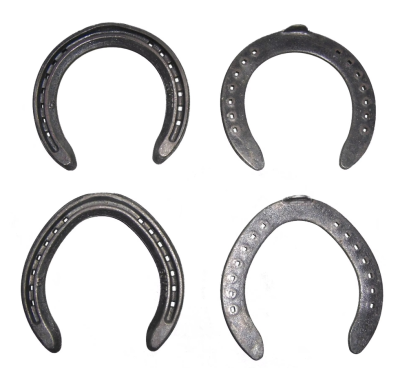

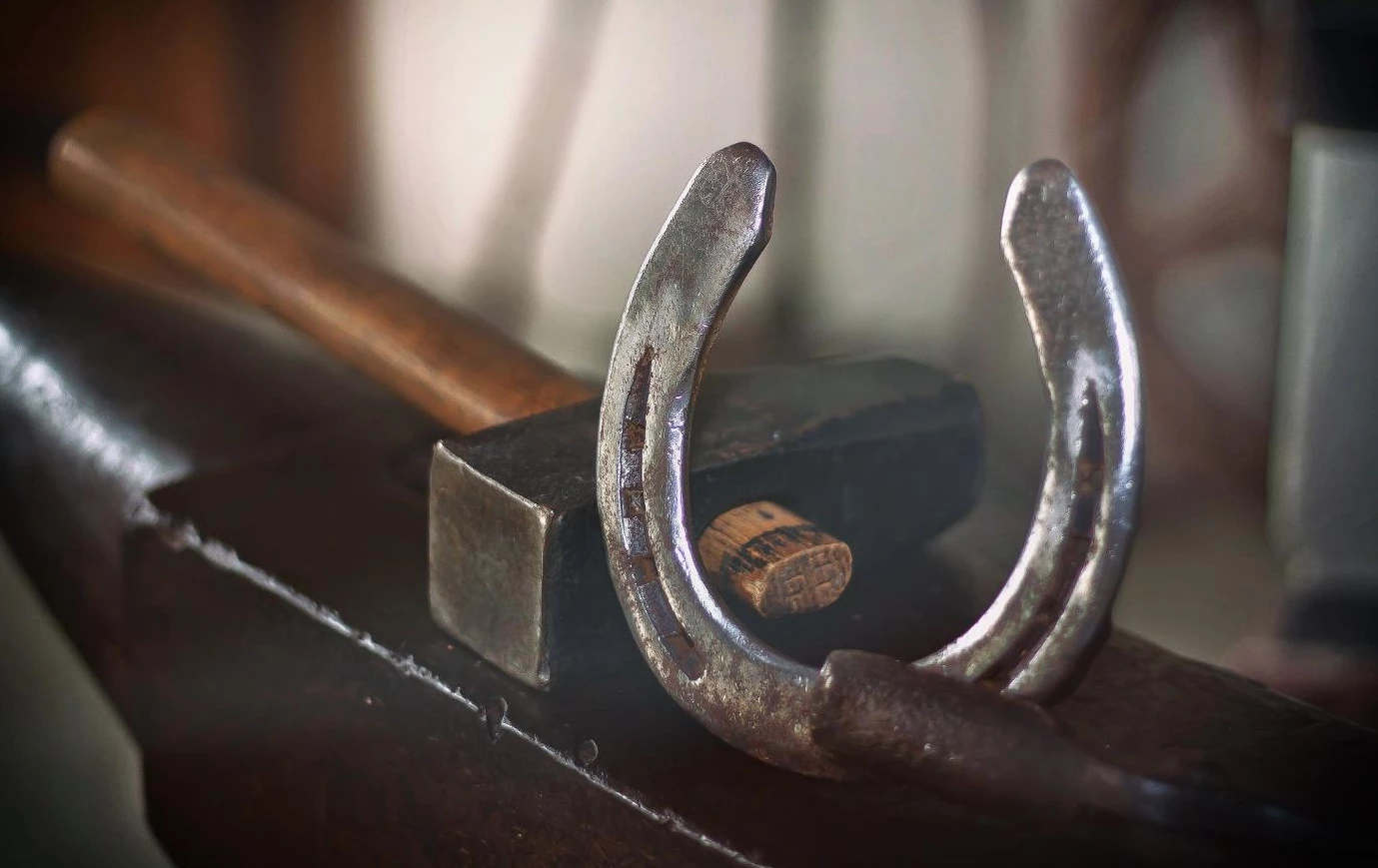
You might ask if horseshoes are needed or hurt horses. Modern farriers say horseshoes help when used the right way. But studies on hoof health show big differences between shod and barefoot hooves:
- Barefoot horses often have wider frogs and heels. This helps absorb shocks better.
- Shod horses often have problems like under-run heels or long toes. About 75.5% of shod hooves have these issues, compared to 40.5% of barefoot hooves.
- Barefoot hooves are usually more uneven. Shod hooves can stop natural hoof growth.
These facts make people wonder if horseshoes are cruel. Some think other hoof care methods might be better for horses.
Key Takeaways
- Barefoot trimming helps hooves stay healthy by copying natural wear. This makes hooves stronger and reduces infections.
- Cleaning hooves and regular farrier visits are very important. These steps prevent lameness and keep horses feeling good.
- Horseshoes protect hooves in hard conditions but can cause problems. Bad shoeing may lead to pain and lasting damage.
- Hoof boots are a kinder choice instead of horseshoes. They let hooves breathe and protect on rough ground.
- Picking a good farrier is key to healthy hooves. It ensures your horse gets the best care possible.
Equine Anatomy and Hoof Health
The Structure and Function of a Horse's Hoof
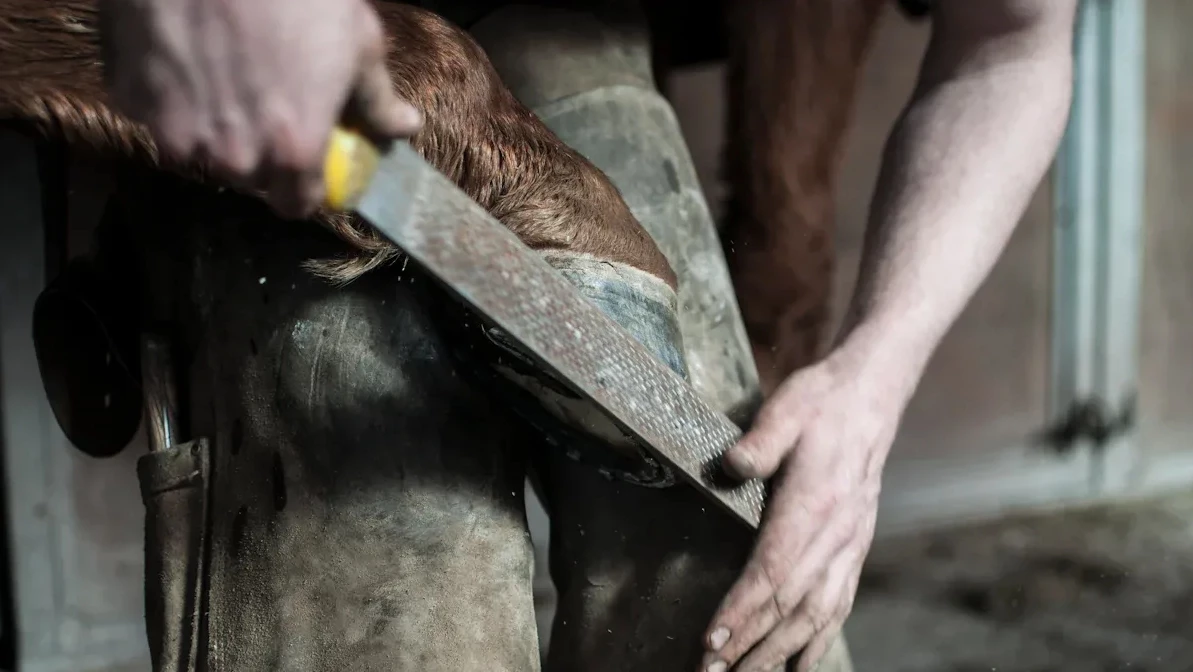
A horse's hoof is a complicated part of its body. It has three main layers: the outer periople, the thick middle layer, and the inner laminar layer. These layers work together to hold the horse's weight, take in shocks, and protect inside tissues. If a hoof grows strangely, it might mean the horse has health problems. This is why veterinarians and farriers need to know about hoof anatomy.
Inside the hoof is the palmar digital nerve. This nerve affects how the hoof works and can cause lameness if hurt. Damage to this nerve can make the horse feel a lot of pain. Knowing how hoof problems affect the inside of the hoof helps us see why hoof care is so important.
Natural Adaptations of Hooves to Different Environments
Horses' hooves change to match their environment. Horses in dry, rocky places grow short, strong hooves that don’t wear down easily. Horses in wet, soft areas have flatter, wider hooves. These changes help hooves work well on different ground types.
Wild mustangs show how hooves adapt to their surroundings. Mustangs in rocky deserts have tough, curved hooves. Mustangs in wet areas grow softer hooves. Studies on Australian Brumbies show their hooves even change genetically to survive harsh places. This shows how nature and genetics shape hooves.
The Role of Hoof Care in Equine Health
Taking care of hooves is key to stopping lameness. Cleaning hooves often helps avoid problems like infections or thrush. Farriers keep hooves balanced and healthy. Horses with shoes need new ones every six to eight weeks.
| Hoof Care Practice | How It Helps |
|---|---|
| Cleaning hooves regularly | Stops infections like abscesses and thrush. |
| Farrier visits | Keeps hooves healthy and prevents lameness. |
| Keeping hooves dry | Avoids common hoof issues. |
Good hoof care keeps horses happy and able to move comfortably.
The Purpose of Horseshoes
Historical Development of Horseshoes
Horseshoes have been used for a long time. They were made to protect horses' hooves. When horses started working for humans, their hooves wore down faster. Early people used leather and rawhide wraps to protect hooves. Later, the Romans created iron plates for better hoof protection.
| Historical Development | Description |
|---|---|
| Early Protection | People used leather wraps to stop hoof damage. |
| Roman Advancements | Romans made iron plates to protect working horses' hooves. |
These early ideas led to modern horseshoes. Today, they keep improving to help horses in different environments.
Modern Uses in Equestrian Practices
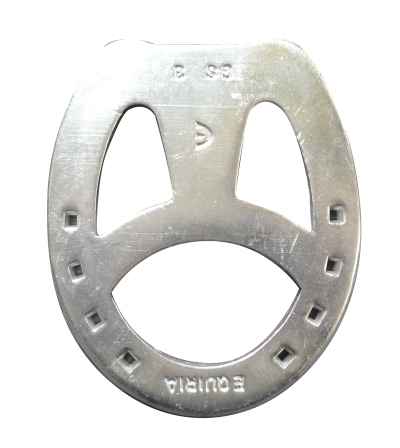
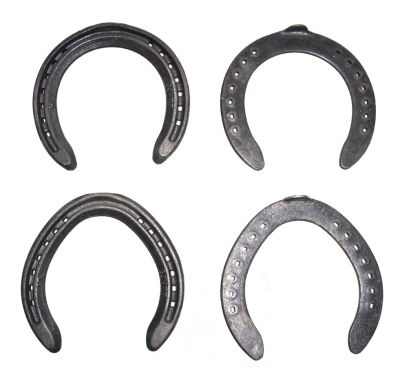
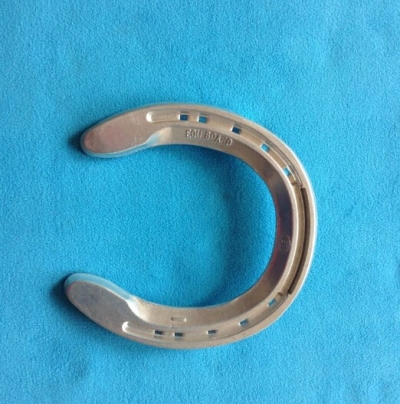
Horseshoes now have many uses in horse care. Farriers make them to fit each horse's needs. They use materials like steel, aluminum, or plastic. For example:
- Glue-on shoes are good for sensitive hooves.
- Plastic shoes bend with the hoof and add comfort.
- Shoes with studs or cleats help horses grip slippery ground.
These new designs help horses stay safe and healthy during activities.
Benefits for Specific Activities and Conditions
Horseshoes help horses in tough conditions or special jobs. They protect hooves on hard or rough ground. By spreading weight evenly, they lower the chance of hoof problems. Horseshoes also give better grip for racing or jumping. Special shoes can help injured horses heal and stay active.
Horseshoes improve comfort and performance for many horses. But some people think barefoot trimming or hoof boots are kinder. This keeps the debate about horseshoes going.
Horseshoes Are Cruel: Ethical and Anatomical Concerns
Potential Harm to Hoof Anatomy
Have you ever thought about how horseshoes affect hooves? Bad shoeing or trimming can upset the hoof's natural balance. This can cause pain or make the horse perform worse. Experts aim to improve hoof health, but they don’t all agree on the best way.
- Trimming and shoeing affect how well a horse moves.
- Trimming tries to help movement, but research on it is limited.
- There aren’t many studies comparing different trimming methods.
These research gaps show why shoeing needs careful thought. If the hoof’s shape is harmed, the horse could face long-term problems.
Ethical Questions About Altering Natural Hoof Function
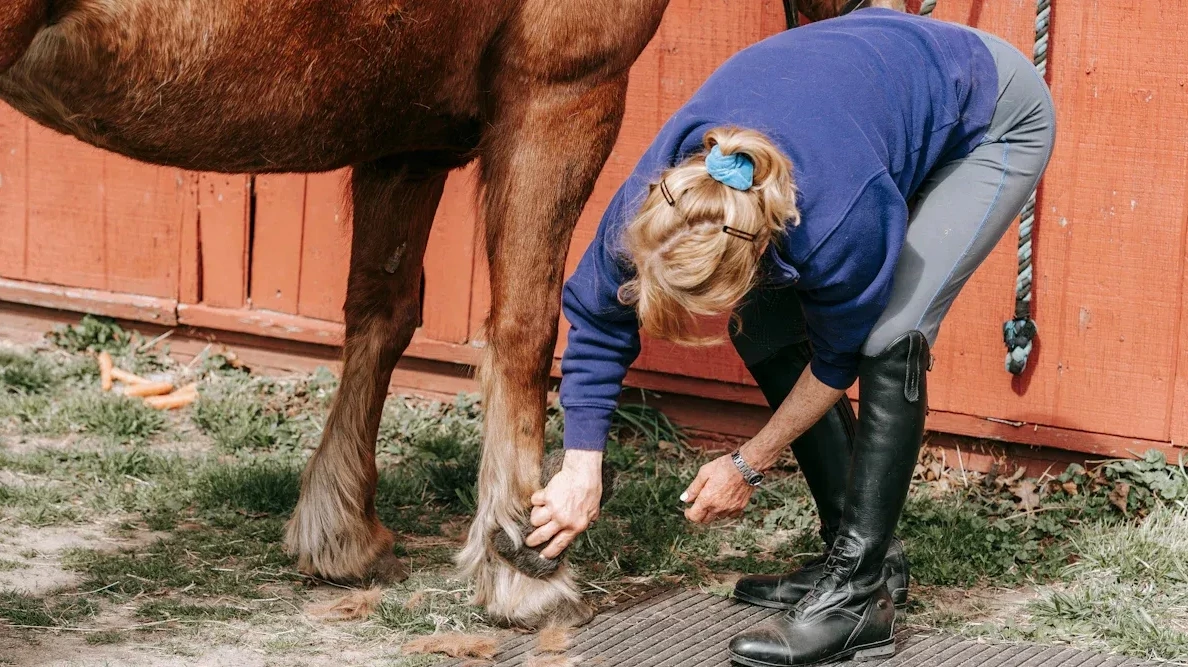
People often ask if changing a hoof’s natural function is right. Horseshoes change how hooves touch the ground. This can affect how they absorb shocks and spread weight.
| Ethical Concerns | Hoof Changes | Long-Term Effects |
|---|---|---|
| Owners agreed to the study. | Focused on copper-alloy shoes. | Copper shoes may lower hoof damage. |
Copper-alloy shoes might help hooves stay healthy. But the big question is: Should performance matter more than natural hoof health? This makes owners and farriers think hard about what’s best.
Risks of Improper Shoeing Techniques
Bad shoeing can cause big problems for horses. Poor hoof balance often leads to pain and trouble walking. Studies show hoof issues are very common, with most owners noticing problems.
- Bad hoof balance causes pain and health problems.
- In 357 lameness cases, 82.9% needed treatment.
- About 23% of owners think their farrier could do better.
These facts show why skilled farriers are so important. Pick a farrier who knows the risks and puts the horse first.
Modern Farrier Perspectives on Alternatives
Barefoot Trimming and Its Benefits
Barefoot trimming keeps a horse's hoof in its natural shape. This method skips using horseshoes and focuses on regular trims. It mimics how hooves wear down naturally in the wild. Many farriers think this keeps hooves healthier and helps horses perform better.
Natural hooves grip the ground well and adjust to different surfaces. Unlike steel shoes, which can weaken hooves, barefoot trimming keeps them strong. Horses without shoes often have fewer cracks or infections. Their hooves grow tougher and can handle tough environments better.
Teaching horse owners about barefoot care is very important. Starting early with proper trimming helps horses stay healthy for years. If you want to try this, talk to a farrier who knows barefoot trimming. They can guide you to care for your horse’s hooves the right way.
Hoof Boots as a Humane Alternative
Hoof boots are a kind and useful choice instead of horseshoes. These boots protect hooves but let them work naturally. They are great for horses switching from shoes to barefoot or those with soft hooves.
Modern hoof boots come in many styles and materials. Some give extra padding for injured horses. Others help with grip during trail rides or long events. Unlike shoes, hoof boots can be taken off, letting hooves breathe and grow naturally.
Hoof boots are helpful for horses on rough or uneven ground. They protect hooves without changing their natural shape. Many owners say their horses move better and feel more comfortable in boots. This option supports the idea that "Horseshoes Are Cruel" and encourages kinder choices.
Advances in Hoof Care Technology
New tools are changing how farriers care for hooves. Curved knives and motorized grinders make trimming safer and more accurate. Training programs help farriers use these tools better.
One big invention is FormaHoof, which fixes many hoof problems at once. It improves blood flow, helping injuries heal faster and boosting hoof health. Owners see quicker recovery and stronger muscles with this system.
Another cool idea is 3D-printed horseshoes. These are made to fit each hoof perfectly, solving long-term hoof issues. Groups like CSIRO in Australia use hoof scans to create these custom shoes. These new ideas show how technology can make hoof care better and kinder.
As these tools improve, they give better options than old methods. Learning about these changes helps you make smarter choices for your horse’s hooves.
Case Studies: Horses With and Without Horseshoes
Success Stories of Barefoot Horses
Barefoot trimming has helped many horses with bad hoof problems. This method copies how hooves wear down naturally. It lets hooves heal and grow stronger. Here are some amazing recoveries:
| Horse Name | Problem | Treatment | Result |
|---|---|---|---|
| Raffi | Severe laminitis with bone damage | Trimmed hooves, used Soft Ride Boots, soaked hooves | Got better and walked soundly |
| Whisky | Bone damage in all four hooves | Weekly trims, daily soaks, poultices | Returned to work without pain |
| Zara | Bone damage in three hooves | Trimmed, cleaned, used hoof boots | Ran pain-free after 9 months |
These examples show how barefoot trimming and care like soaking and boots can help horses move comfortably again. If you want to try this, talk to a farrier who knows barefoot trimming.
Cases Where Horseshoes Improved Hoof Health
Sometimes, horseshoes are needed to fix hoof problems or improve performance. Special shoes can solve specific issues and give support. Here are some examples:
| Shoe Type | How It Helps |
|---|---|
| Z-bar shoes | Take pressure off the back of the hoof to help it heal. |
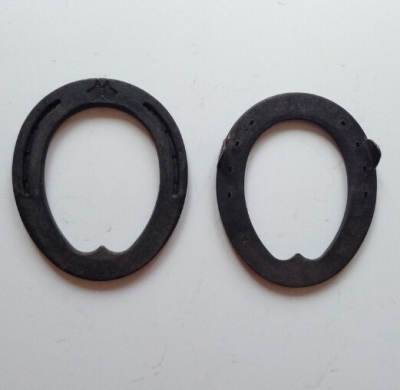
| Egg bar shoes | Spread weight and give extra support to the foot and leg. |
| Toe wedges | Help support the back of the hoof when the heel is weak. |
Horseshoes can also make walking smoother and reduce stress on legs. For example, steel shoes help horses move better and stay steady. In some cases, horseshoes are very helpful.
Insights from Real-World Hoof Care Practices
Experts say it’s important to look at the whole horse, not just the hooves, when fixing hoof problems. For example, how a horse stands affects hoof shape. If the frog looks off-center, it might mean the hoof is rotated, not that the frog is wrong.
| Key Ideas | Explanation |
|---|---|
| Look at the Whole Horse | Good hoof care means checking the entire horse, not just the hooves. |
| Limb Position Matters | How a horse’s legs are positioned changes hoof shape. |
| Frog Position Clues | A frog that looks off-center may mean the hoof is rotated. |
These ideas show why hoof care needs a full-body approach. Work with skilled farriers and vets to keep your horse’s hooves healthy and strong.
Horseshoes are not always cruel, but their effects vary. Think about your horse's needs before choosing hoof care. Skilled farriers are important for safe shoeing and reducing harm.
- Horseshoes change how horses move and risk injuries.
- Aluminum shoes help racers but may not fit every horse.
- High toe grabs can cause injuries, so not all shoes help.
Options like barefoot trimming or hoof boots are kinder choices. Talk to experienced farriers to decide what’s best for your horse.
FAQ
What are the main benefits of barefoot trimming?
Barefoot trimming keeps hooves in their natural form. It makes hooves stronger, improves grip, and lowers the chance of cracks or infections. This method copies how wild horses’ hooves wear down, keeping them healthy.
Are horseshoes painful for horses?
If done right by a skilled farrier, horseshoes don’t hurt. The nails go into the part of the hoof that doesn’t feel pain, like cutting your nails. But bad shoeing can cause pain or injuries.
How often should a horse’s hooves be trimmed or reshod?
Horses need their hooves trimmed or reshod every six to eight weeks. This stops overgrowth, keeps hooves balanced, and prevents problems like lameness or infections.
Can hoof boots replace horseshoes entirely?
Hoof boots can replace horseshoes for many horses. They protect hooves on rough ground and let them work naturally. But some horses with special needs might still need shoes.
How do I choose the right farrier for my horse?
Find a farrier with good training and experience. Ask for advice, read reviews, and watch them work. A good farrier cares about your horse’s comfort and explains what they do.