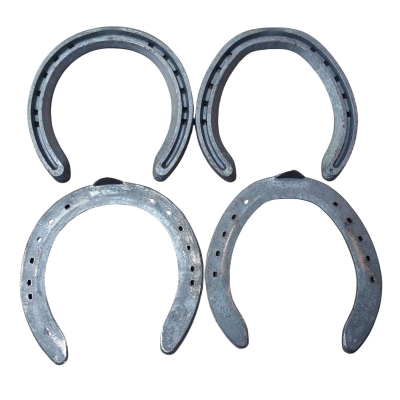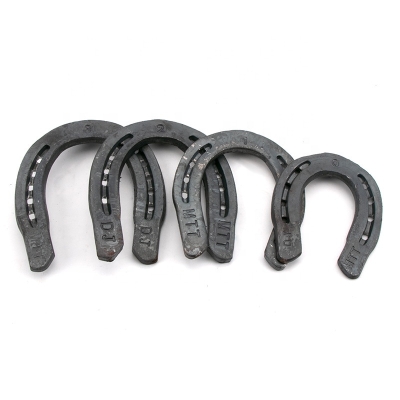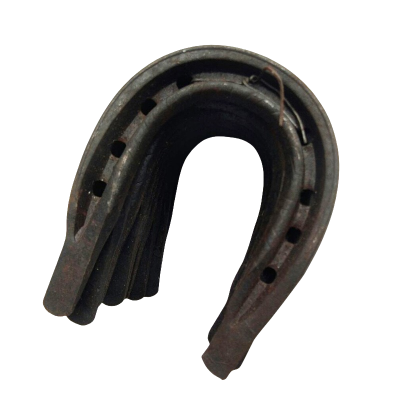

Horseshoes are essential tools for protecting horse hooves, and their performance and durability largely depend on the manufacturing process. The two primary production methods are casting and forging. Understanding the differences between cast horseshoes and forged horseshoes is crucial for manufacturers, farriers, and horse owners seeking the right product for their horses.
1. Manufacturing Process
Cast Horseshoes
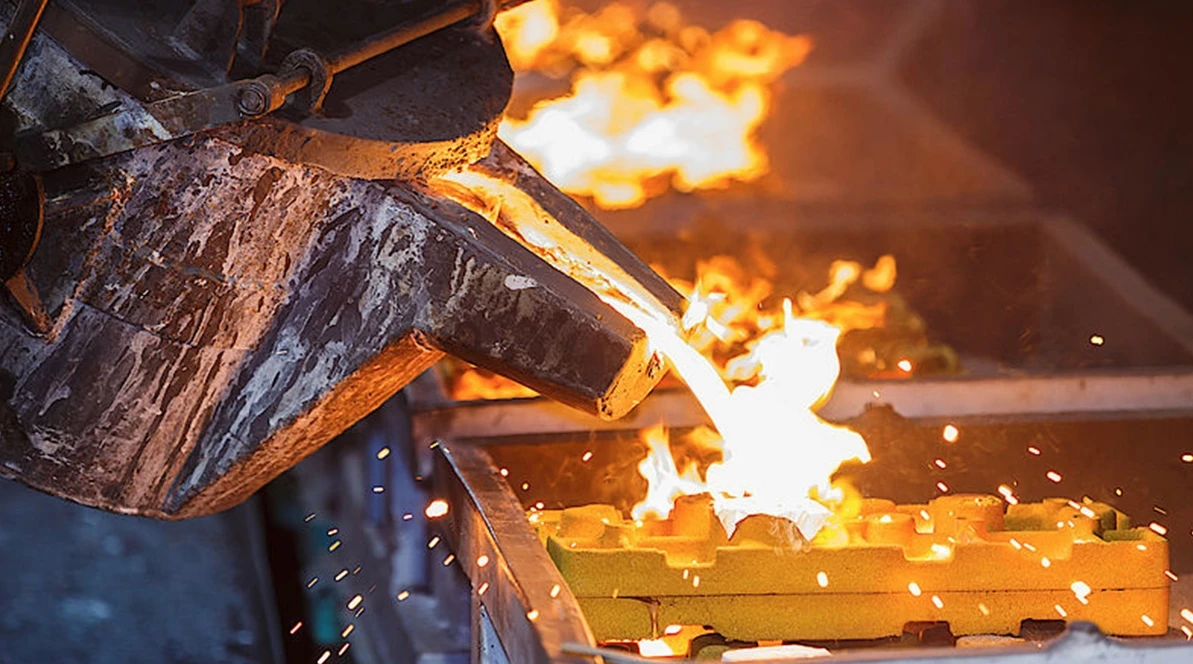
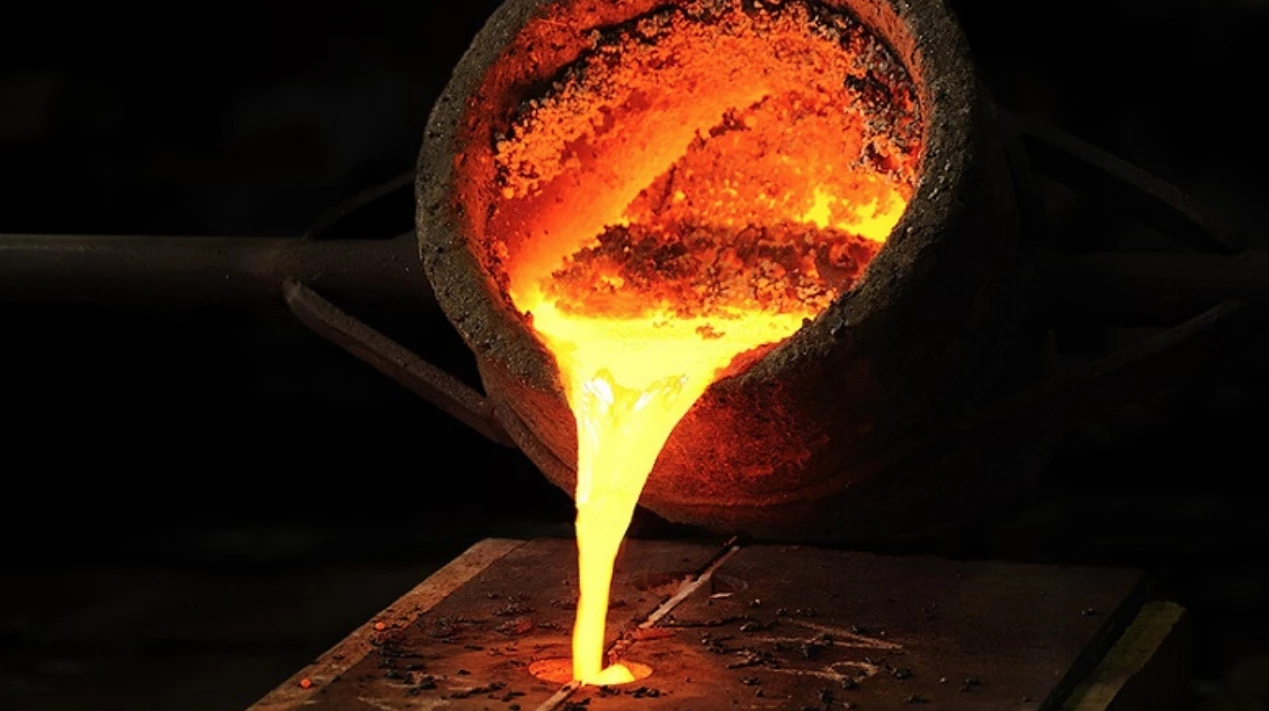
Cast horseshoes are made by melting metal—typically steel or iron—and pouring it into molds to achieve the desired shape. Once cooled, the horseshoes are removed from the molds and may require minor finishing processes.
Key points:
-
Suitable for complex shapes or decorative designs.
-
Dependent on mold quality and cooling conditions.
-
Relatively straightforward process for batch production.
Forged Horseshoes
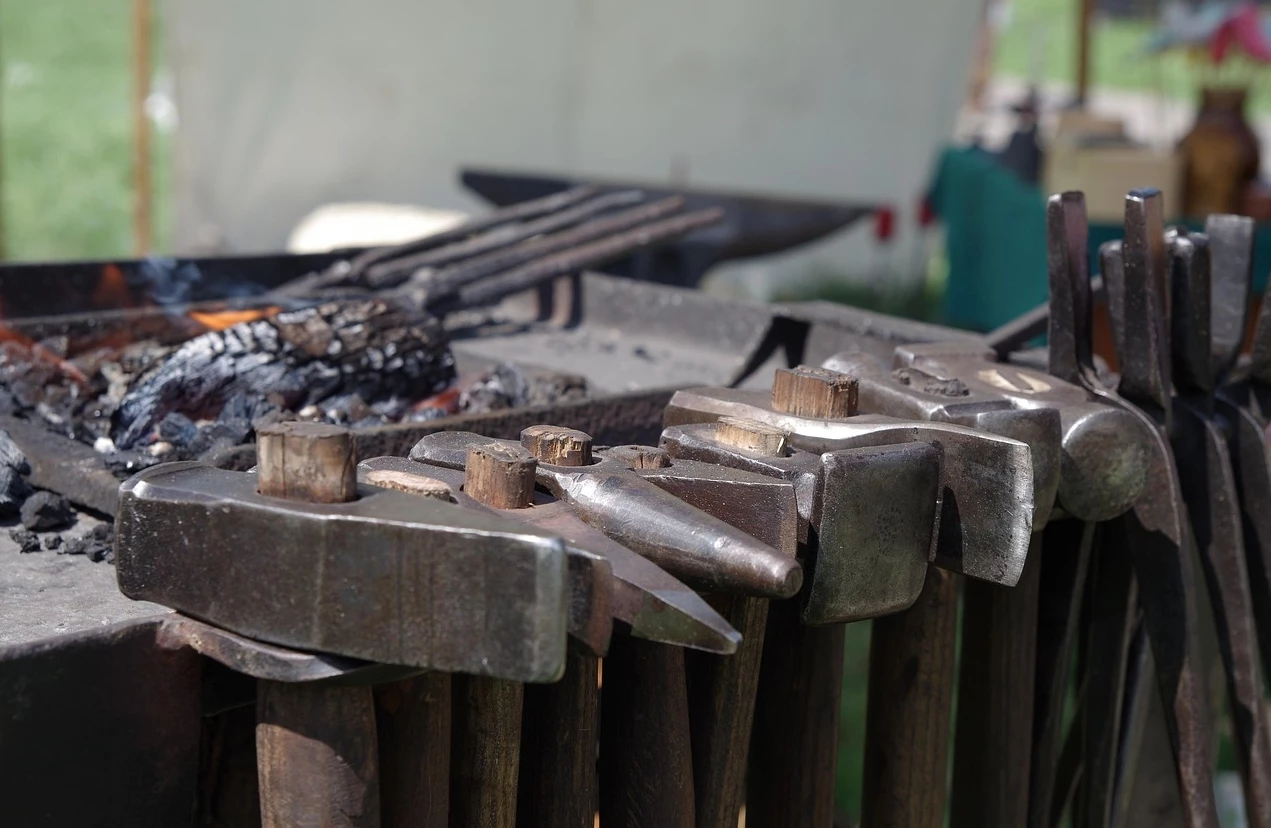
Forged horseshoes are produced by heating metal billets to high temperatures and then shaping them under hammers or hydraulic presses. The repeated pressure refines the metal structure, resulting in a stronger and denser product.
Key points:
-
Metal grain is compact and uniform.
-
Requires specialized equipment and skilled craftsmanship.
-
Allows precise control over dimensions and curvature.
Note: Forging enhances the strength, toughness, and wear resistance of the horseshoe, making it the preferred choice for professional and high-performance horses.
2. Material Structure and Performance
| Feature | Cast Horseshoes | Forged Horseshoes |
|---|---|---|
| Metal Structure | May have small pores or uneven grain | Dense, uniform grain structure |
| Strength | Moderate, more prone to brittleness | High strength, excellent toughness |
| Durability | Adequate for light use | Very durable, suitable for heavy-duty or racing horses |
| Wear Resistance | Average | High |
| Precision | Depends on mold quality | Highly consistent, can be tailored precisely |
3. Applications
-
Cast Horseshoes:
-
Therapeutic or corrective shoes
-
Decorative or ornamental designs
-
Small batch production or custom designs
-
-
Forged Horseshoes:
-
Racehorses and workhorses requiring high durability
-
Daily professional use by farriers
-
Standardized sizes with consistent quality
-
4. Advantages and Limitations
Cast Horseshoes
Advantages:
-
Can produce intricate shapes and designs.
-
Lower production cost for small batches.
Limitations:
-
Less durable and strong than forged shoes.
-
May require post-processing to ensure fit and surface quality.
Forged Horseshoes
Advantages:
-
Superior strength and toughness.
-
Longer service life and better performance under stress.
-
Ideal for horses in demanding activities.
Limitations:
-
Higher production cost due to labor and equipment.
-
Requires skilled operators for consistent quality.
5. Choosing the Right Horseshoe
When selecting horseshoes, consider the following factors:
-
Horse activity level: Forged shoes are recommended for racing or heavy work; cast shoes can be used for light-duty or therapeutic purposes.
-
Customization needs: Cast shoes offer more flexibility for unique shapes.
-
Durability requirements: Forged shoes are preferred for long-term use.
FAQ: Frequently Asked Questions
Q1: Which horseshoe is stronger, cast or forged?
A: Forged horseshoes are stronger due to their compact metal grain and dense structure, making them more durable under stress.
Q2: Are cast horseshoes suitable for racehorses?
A: Generally, no. Cast horseshoes are better suited for therapeutic, corrective, or decorative use rather than high-performance racing.
Q3: Can I customize a forged horseshoe?
A: Yes, forged horseshoes can be customized for size and curvature, but complex shapes may be easier to produce with casting.
Q4: How long does a forged horseshoe last compared to a cast one?
A: Forged horseshoes typically last longer due to superior strength and wear resistance. Cast shoes may wear faster under heavy use.
Q5: Are forged horseshoes more expensive?
A: Yes, forging requires specialized equipment and skilled labor, making them more expensive, but they offer better performance and durability.
Conclusion
Both cast and forged horseshoes have their own advantages and specific applications. Cast horseshoes excel in shape flexibility, decorative features, and small-batch production, while forged horseshoes dominate in strength, durability, and professional performance. Choosing the right type depends on the horse’s activity, desired longevity, and specific functional requirements.
Note: For high-performance or daily-use horses, forged horseshoes are the preferred option due to their superior mechanical properties. Cast horseshoes remain ideal for therapeutic or specialized designs.