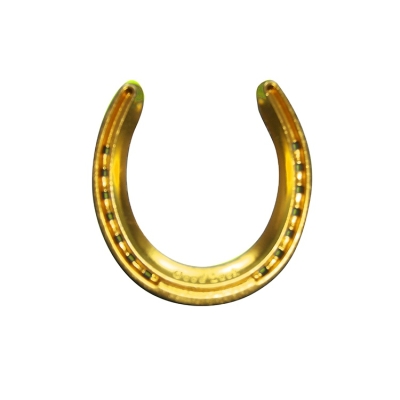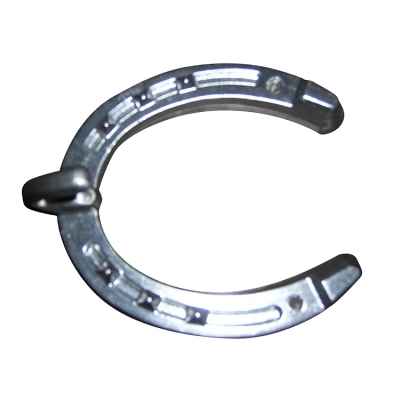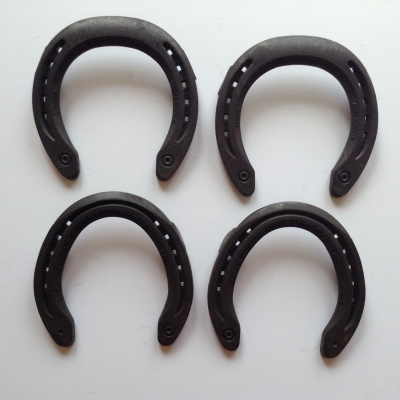

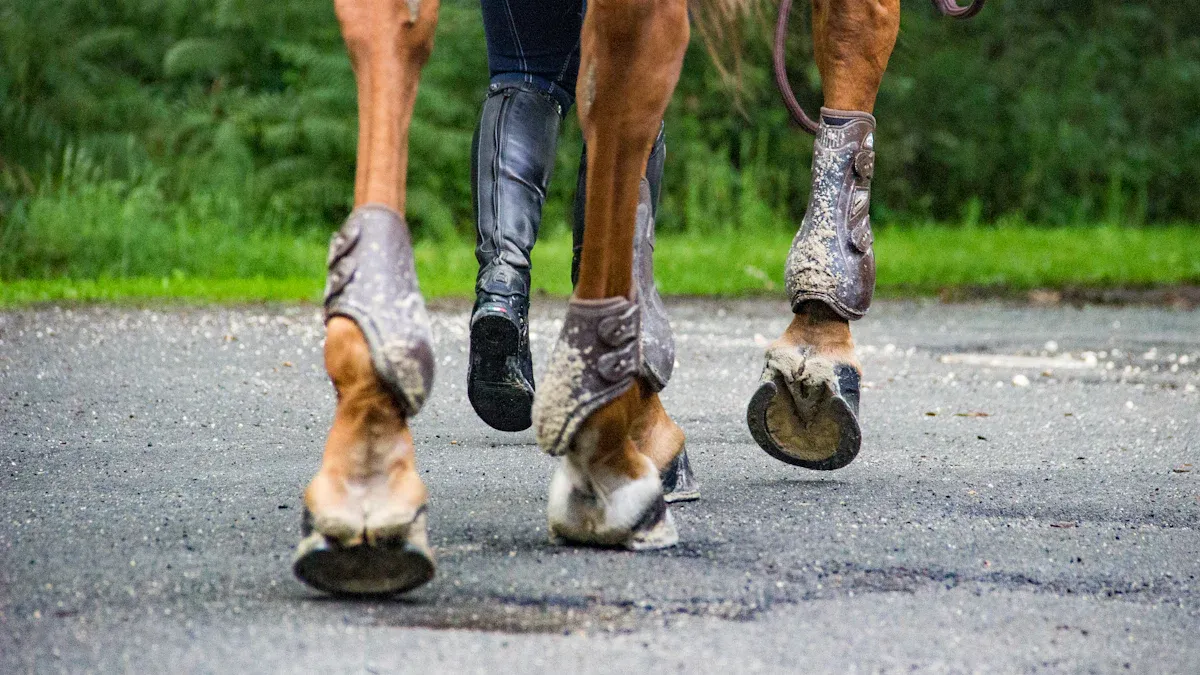
Most horses can go barefoot when you provide proper hoof care, and only a few truly need shoes. Horseshoes mainly protect hooves in tough conditions or help with medical issues. The decision depends on your horse’s workload, the health of their hooves, and where they live.
The reason we shoe a horse is traction, which just goes back to protection. You need to protect the hoof when wear exceeds growth... Shoes can also help with various problems, or pathologies, of the horse limb, such as laminitis, thrush, and abscesses.
You may wonder, Do Horses Really Need Horseshoes? Facts Every Rider Should Know can help you understand that many horses thrive barefoot, and science shows shoes sometimes increase hoof strain. It is important to look past common myths and make the best choice for your horse.
Key Takeaways
- Most horses can thrive without shoes if they receive proper hoof care and regular trims.
- Horseshoes protect hooves from wear and provide traction, especially for horses working on hard or rocky surfaces.
- Consider your horse's workload, hoof health, and environment when deciding between shoes and barefoot management.
- Regular hoof trimming every 6 to 8 weeks is crucial for maintaining healthy hooves, whether shod or barefoot.
- Consult a skilled farrier to assess your horse's needs and ensure the best hoof care practices.
Do Horses Really Need Horseshoes? Facts Every Rider Should Know
Why Horses Wear Shoes
You might wonder why horses wear shoes at all. Horseshoes serve several important purposes that help keep your horse healthy and comfortable. Here are the main reasons:
- Protect a horse’s hooves from wear and tear, especially on hard or rocky ground.
- Prevent excessive wear to the hoof from walking or working on hard surfaces.
- Protect the frog, which is a soft part of the hoof, from bruising or injury.
- Provide traction on slippery or uneven terrain, which helps prevent slips and falls.
- Support the hoof structure, especially if your horse has weak hoof walls or other hoof problems.
- Extend your horse’s working lifespan by reducing the risk of lameness or injury.
When you ask, Do Horses Really Need Horseshoes? Facts Every Rider Should Know, you see that shoes are not just for tradition. They play a real role in protecting your horse’s feet and helping them perform their best.
Recent studies show that the type of horseshoe can also affect how your horse moves. For example, steel shoes are heavier and may give better traction and support during tough competitions. Aluminum shoes are lighter and can make your horse’s movement look smoother, which is important in events where judges watch how the horse moves. The choice of shoe can change how high your horse lifts its feet and how it moves through the air. This means that the right shoe can help your horse do better in certain sports or jobs.
When Shoes Are Needed
Not every horse needs shoes, but some do. You need to look at your horse’s health, the work they do, and where they live. Do Horses Really Need Horseshoes? Facts Every Rider Should Know helps you decide when shoes are the best choice.
Some horses have medical conditions that require shoes. Here are a few examples:
| Medical Condition | Description |
|---|---|
| Laminitis (founder) | A painful condition affecting the hooves. |
| Navicular syndrome | A condition causing lameness in horses. |
| Collateral ligament strain | Injury to the ligaments in the hoof. |
| Hoof wall defects | Abnormalities in the hoof structure. |
| Poor foot conformation | Structural issues affecting hoof health. |
You should also consider your horse’s environment and workload. Horses that work on rough, rocky, or paved surfaces often need shoes to protect their hooves. Horses that compete in sports or carry heavy loads may need shoes for extra support and traction. If your horse has weak hooves or a history of hoof problems, shoes can help prevent injuries.
Tip: Always check your horse’s hooves regularly. If you notice cracks, soreness, or changes in how your horse walks, talk to your farrier or veterinarian.
Many people believe that all horses need shoes, but this is not true. Do Horses Really Need Horseshoes? Facts Every Rider Should Know shows that many horses live healthy, active lives without shoes. The key is to match your horse’s needs with the right hoof care. Shoes are tools, not a rule for every horse.
Barefoot Horses

Natural Hoof Health
You can help your horse develop strong, healthy hooves by choosing barefoot management. A healthy barefoot hoof has a tough keratin layer, plenty of minerals, and a balanced mix of amino acids. Keratin gives the hoof its strength, while sulfur-rich amino acids like cysteine keep the hoof flexible and durable. Other amino acids such as histidine, methionine, alanine, glycine, and serine also support hoof health. When you focus on nutrition and regular care, your horse’s hooves can stay resilient and functional.
Regular hoof trimming plays a big role in keeping barefoot hooves healthy.
- You achieve balanced hooves with consistent trims.
- Natural wear patterns develop, which helps prevent chipping and cracking.
- Protective sole calluses form, making hooves tougher.
- The frog stays engaged, which improves shock absorption and blood flow.
- You can monitor hoof health and adjust care for each horse’s needs.
Tip: Schedule regular trims and check your horse’s hooves often. Early attention prevents problems and keeps your horse comfortable.
When Barefoot Works Best
Barefoot horses perform best in environments that encourage movement and offer varied terrain. Track systems during summer work well because they promote activity, limit grass intake, and create hard dirt surfaces. If you gradually introduce your horse to tougher ground, you help build stronger hooves. Natural conditions, like those found with feral horses, support hoof health and allow barefoot horses to thrive.
Some breeds and disciplines show great success with barefoot management.
| Breed | Associated Trait |
|---|---|
| Standardbred | Ability to race barefoot (heritable) |
| Coldblooded trotters | Ability to race barefoot (heritable) |
You may find that horses in these groups adapt quickly and perform well without shoes. Do Horses Really Need Horseshoes? Facts Every Rider Should Know shows that with the right care and environment, many horses can go barefoot and stay healthy.
Pros and Cons
Horseshoes
You may see many benefits when you choose horseshoes for your horse. Horseshoes protect hooves from injury and reduce wear on hard surfaces. They add traction in slippery conditions and can support medical needs. Some horseshoes even improve balance for horses with hoof problems.
Here is a table that shows the main advantages and disadvantages of horseshoes:
| Advantages | Disadvantages |
|---|---|
| Protects hooves from injury | Cost of regular farrier visits |
| Reduces wear on hard surfaces | Potential for injury if shoes are misapplied |
| Adds traction in slippery conditions | Increased risk of injury from improper shoeing |
| Improved balance | Argument for going barefoot as a natural option |
| Support for medical conditions | N/A |
You need to consider the risks as well. Horseshoes can cause problems if a farrier applies them incorrectly. Some studies show that certain horseshoe types may increase the risk of serious leg injuries, especially in racehorses. Horses with casts or shoes sometimes develop sores or soft tissue damage. Regular farrier visits also add to your costs.
Tip: Always work with a skilled farrier to reduce risks and keep your horse’s hooves healthy.
Barefoot
Barefoot horses often enjoy natural hoof health. Their hooves function as nature intended, which helps blood flow and delivers nutrients. Barefoot hooves absorb shock better and may lower the risk of injuries seen in shod horses. Research shows that barefoot horses keep a healthier hoof shape, with improved hoof angles and less change in circumference at the coronary band.
You may notice these benefits:
- Better circulation and nutrient delivery
- Stronger, more resilient hooves
- Healthier hoof shape over time
Transitioning to barefoot can bring challenges. Your horse may feel discomfort at first. Hoof structure changes, such as expansion of the heel and frog, may take time. You need to manage the adjustment period carefully. Some horses may develop abscesses or tenderness, but most adapt within four to six months.
Note: Regular trims and proper care help your horse adjust to barefoot life.
Do Horses Really Need Horseshoes? Facts Every Rider Should Know reminds you that both options have pros and cons. You must choose what fits your horse’s needs, environment, and lifestyle.
How to Decide
Key Factors
You need to look at several important details before you choose between horseshoes and barefoot management. Start by thinking about your horse’s daily work. Horses that compete, carry heavy loads, or spend hours on hard surfaces often need shoes for extra support. Horses with lighter workloads and healthy hooves may do well barefoot.
Consider these factors when making your decision:
- The type and intensity of your horse’s work
- How long your horse works each day
- The terrain your horse travels on, such as rocky, sandy, or grassy ground
- Your horse’s hoof health and shape
Horses with thick soles and strong hoof walls often make good candidates for barefoot management. Horses with thin soles or poor hoof conformation may struggle without shoes. If your horse lives or works on hard, stony ground, shoes can help prevent soreness and bruising. Horses with correct hoof conformation maintain better balance and wear patterns.
Tip: Horses with good hoof conformation and potential for improvement adapt better to barefoot life. Horses without significant hoof capsule distortions also transition more easily.
Working with a Farrier
You should always work with a skilled farrier or hoof care professional when deciding what is best for your horse. A farrier can assess your horse’s feet and help you understand the risks and benefits of each option. The farrier looks at your horse’s work, the surfaces they travel on, genetics, hoof shape, hoof wall strength, and soft tissue health.
Here is a table showing what a farrier considers:
| Factors to Consider | Description |
|---|---|
| Type of Work | Nature and intensity of your horse’s activities |
| Work Surfaces | Types of ground your horse walks or works on |
| Genetics | Family traits that affect hoof quality |
| Hoof Conformation | Shape and structure of the hoof |
| Hoof Wall Integrity | Strength and condition of the hoof wall |
| Soft Tissue Condition | Health of the soft tissues in the foot |
When you choose a farrier, ask for referrals from other horse owners. Check their credentials and watch how they work during a trial period. Certified farriers have passed written exams, practical tests, and forge work to show their skills.
Note: Ask your farrier questions about your horse’s hoof health, willingness to use hoof boots, terrain, movement, diet, and time needed for adjustment. This helps you make the best choice for your horse’s comfort and performance.
Most horses can go barefoot with the right care, but some need shoes for protection or medical reasons. You should check your horse’s hooves daily and schedule regular trims every six to eight weeks. Individual needs matter, so always consider your horse’s work, genetics, and environment.
| Hoof Care Factor | Best Practice |
|---|---|
| Trimming | Every 6–8 weeks |
| Exercise | Encourage daily movement |
| Diet | Provide balanced nutrition |
| Professional Advice | Consult a farrier for personalized guidance |
Stay alert for signs of discomfort, and always put your horse’s comfort and well-being first.
FAQ
Do all horses need horseshoes?
No, most horses do not need shoes. You can keep many horses barefoot with proper care and regular trims. Shoes help only when your horse faces tough terrain, heavy work, or medical problems.
How often should you trim your horse’s hooves?
You should trim your horse’s hooves every 6 to 8 weeks. Regular trims keep hooves balanced and healthy. Skipping trims can cause cracks, pain, or lameness.
Can you ride a barefoot horse on rocky ground?
You can ride a barefoot horse on rocky ground if the hooves are strong and healthy. Some horses may need hoof boots for extra protection. Always check for soreness after rides.
What are hoof boots, and when should you use them?
Hoof boots protect your horse’s feet during rides on rough or hard surfaces. You use them when your barefoot horse needs extra support or is adjusting to new terrain.
How do you know if your horse is comfortable barefoot?
Watch for signs like even walking, no limping, and healthy hoof growth. If your horse shows pain, soreness, or changes in movement, consult your farrier or vet for advice.