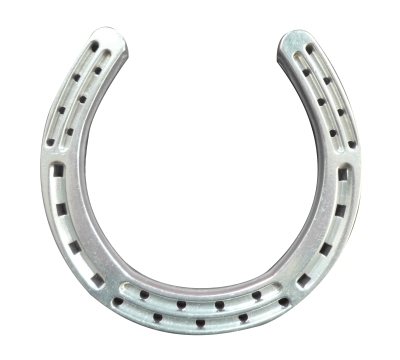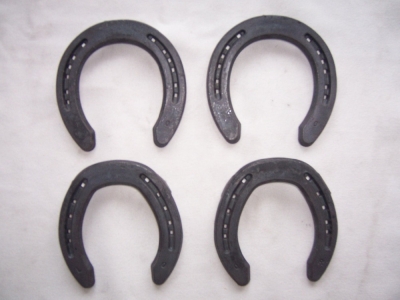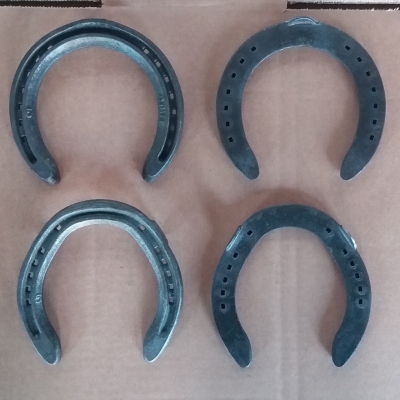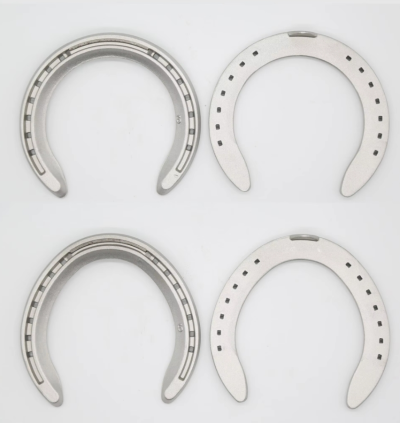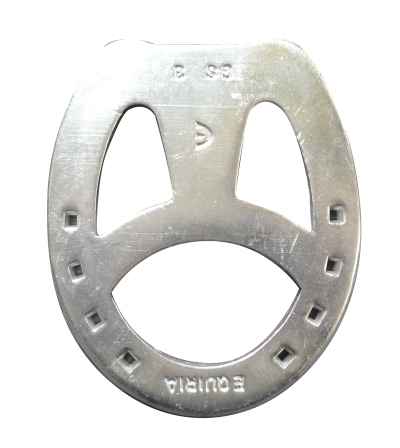

When it comes to hoof care, every horse is different. Some thrive barefoot, while others need the extra protection that horseshoes provide. You might wonder, why the difference? It all boils down to your horse’s needs. Factors like hoof health, the terrain they walk on, and how much work they do play a big role. Whether you're dealing with rocky trails or a horse with sensitive hooves, knowing when shoes are necessary can make all the difference. The key is understanding what works best for your horse in the debate of Barefoot vs. Shod Horses.
Key Takeaways
- Check your horse's hooves often. Look for cracks, damage, or soreness to see if shoes are needed.
- Think about where your horse walks. Rocky or hard ground may need shoes for safety and comfort.
- Watch how much work your horse does. Horses doing tough activities need shoes for grip and support.
- Going barefoot can help. Make sure your horse has strong hooves and slowly get them used to harder ground.
- Work with a good farrier. Regular hoof care and expert help keep hooves healthy.
Why Some Horses Need Shoes
Protecting Hooves on Tough Surfaces
Some surfaces are hard on a horse’s hooves. Rocky trails, paved roads, or fake surfaces can wear hooves down. Shoes protect hooves from damage and pain. For example, studies show surfaces change how hooves hit the ground. Fake surfaces make hooves sink more and push harder. This extra strain can hurt hooves if not protected. Shoes spread out the pressure, lowering the chance of injury.
If your horse works on rough ground often, shoes can help. They add protection so hooves stay healthy and strong.
Helping Chronic Hoof or Leg Problems
Horses with hoof or leg issues often need shoes. Problems like white line disease, laminitis, or navicular syndrome weaken hooves. Shoes give support to keep horses comfy and active.
One study showed copper-alloy shoes helped horses with white line disease. Over 80% of hooves got better with these special shoes. The disease score dropped a lot, proving shoes can help chronic problems.
If your horse has hoof troubles, ask your farrier about shoes. The right shoes can improve their comfort and movement.
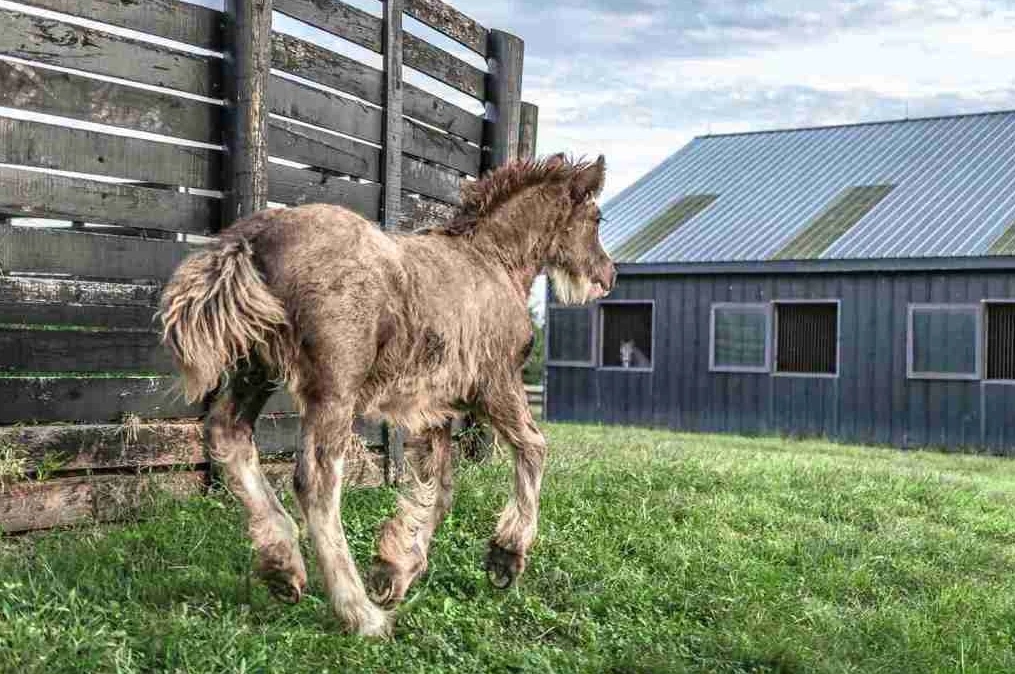
Better Grip for Safety and Performance
Slippery surfaces can be dangerous for horses, especially in sports. Shoes with extra grip, like studs, stop slipping and keep horses safe. This is very important in jumping or racing, where good footing matters.
A table shows how traction helps:
| Evidence Description | Findings |
|---|---|
| Studs in horseshoes | Help horses stay steady on slippery ground. |
| Goldilocks principle | Shows the need for just-right traction to avoid slips. |
Shoes with grip let horses perform well on tricky surfaces. Wet grass, loose dirt, or ice—good shoes keep them safe and steady.
High-Impact Activities and Competitive Sports
Horses in sports or high-impact activities often need shoes. Events like jumping, barrel racing, or eventing stress their hooves. Shoes protect hooves from damage and absorb shock. They also give grip and stability for quick moves or stops.
Shoes with toe clips or studs are very helpful. Toe clips improve grip on wet or uneven ground by 25%. This extra grip prevents slips and keeps horses safe during tough events. Clips also help shoes stay on longer—30-40% more than shoes without clips. This lowers the chance of losing a shoe during a ride.
Here’s how shoes help performance and safety:
| Evidence Description | Statistic |
|---|---|
| Hoof injuries from lost or bad shoes | 10% |
| Chance of losing shoes without clips | 20-30% |
| Time shoes stay secure with clips | 30-40% longer |
| Better grip with toe clips | 25% more grip |
What if a shoe falls off in a competition? It can hurt the hoof and stop your horse from competing for weeks. Shoes with clips stay on better, even during hard activities. This keeps your horse safe and gives you peace of mind.
For competitive horses, shoes are about more than protection. They improve performance. A well-shod horse can move confidently, whether galloping or turning sharply. If your horse competes, ask your farrier about the best shoes. The right ones keep them safe and performing their best.
When Horses Can Go Barefoot
Strong and Healthy Hooves
Horses with strong hooves can often go barefoot. Some horses naturally grow tough hooves that handle different surfaces well. Their hooves are smooth, without cracks or chips. A thick sole and strong hoof wall show good hoof health.
Healthy hooves adapt well to being barefoot if conditions aren’t extreme. Regular trims keep their hooves in great shape. A good farrier can check their hooves and keep them balanced.
Natural Terrain and Light Workloads
Horses on soft ground with light work are good barefoot candidates. If your horse lives on grass, dirt, or sand, their hooves wear less. These surfaces are like the natural ones horses evolved to live on.
Light work also puts less stress on their hooves. Horses not doing hard activities, like jumping, may not need shoes. Barefoot horses do well with easy rides, trails, or grazing.
Transitioning to Barefoot with Proper Care
Switching to barefoot takes time and care. Your horse’s hooves need time to adjust. Some soreness or abscesses might happen, but this is normal.
To help, give your horse a good environment. Hard ground, like gravel, strengthens their hooves. Letting them move around helps hooves grow strong.
Hoof boots can protect hooves during this time. They’re like temporary shoes for rough ground.
Here are tips for a smooth transition:
- Trim hooves often to stop overgrowth and keep balance.
- Watch for soreness or too much hoof wear.
- Slowly introduce harder surfaces to toughen hooves.
With care, many horses can go barefoot and live naturally.
Benefits of Barefoot Horses on Natural Surfaces
Horses living on natural ground can do well barefoot. Their hooves often stay healthy without shoes in the right setting. Let’s explore why barefoot horses thrive on natural surfaces.
One big benefit is how the hoof works naturally without shoes. Bare hooves expand and contract with every step. This movement boosts blood flow to the hoof and leg, keeping them healthy.
"The finding announced at this stage is that when unshod, the movement in the hoof is 'freer and larger', specifically widening over the heels, and contraction of heels during the breakover. There was also more vertical independent movement in the barefoot hoof ... Everyone talks of the hoof as a pump. If we see not only widening but contraction, it could be two things contributing to increased blood flow [to the leg], which is also important in rehab."
– Prof Roepstorff, Swedish University of Agricultural Sciences
This natural motion works like a pump, improving circulation. It’s great for horses healing from injuries or hoof problems.
Barefoot horses also benefit from how natural surfaces affect their hooves. Dirt, grass, and sand wear hooves down evenly, keeping them balanced. These surfaces also absorb shock better than shoes. This lowers stress on the horse’s legs and joints, helping prevent future problems.
- Key benefits of barefoot horses on natural surfaces:
- Better hoof health from natural wear and blood flow.
- Improved circulation, aiding healing and overall wellness.
- Less impact on legs compared to shod horses.
Another interesting point is how weight is spread in barefoot hooves. On natural ground, the hoof’s bottom (solar area) takes more weight. This includes the frog, digital cushion, and inner parts, which are built to handle pressure. Shoes, however, shift weight to the outer hoof wall.
“When barefoot and on a conformable surface, the dirt plug loads the solar part of the hoof,” he explains, noting that biomechanics transfer the load directly to the frog, digital cushion, and bone. In the shod hoof, on the other hand, the majority of the horse’s weight often loads the perimeter hoof walls.”
– Robert Bowker, VMD, PhD, Michigan State University
This natural weight spread strengthens the hoof and helps it grow well. It also makes movement easier, especially on soft or uneven ground.
If your horse lives mostly on natural surfaces, barefoot might be best. You’ll see healthier hooves, smoother movement, and a happier horse. Just remember, regular trims and good care are still very important!
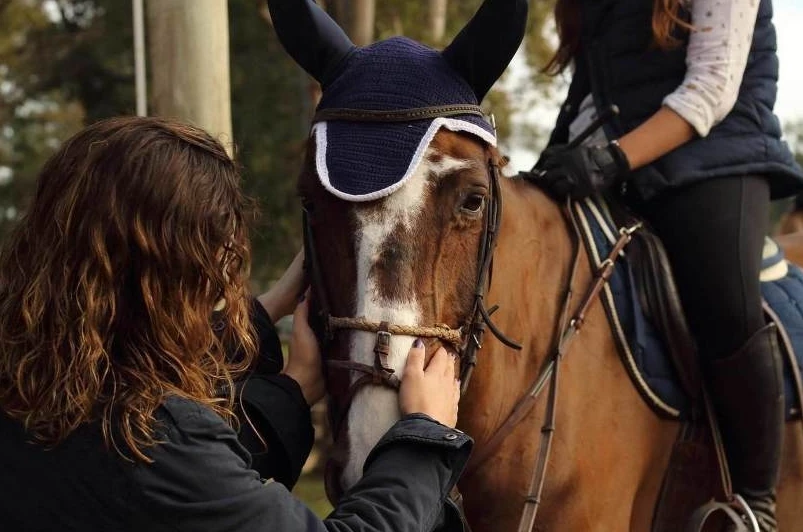
Signs Your Horse Might Need Shoes
Hoof Wear, Cracking, or Sensitivity
Do your horse’s hooves look cracked or worn down? This might mean they need extra protection. Horses with weak or thin hooves often can’t stay barefoot. Rough surfaces make their hooves wear out faster than they grow. This can cause pain or even make them lame.
Tender hooves are another sign. Does your horse flinch on gravel or hard ground? If so, their hooves might be too soft to handle the pressure. Shoes can protect their hooves and make walking more comfortable.
Discomfort on Hard or Rocky Ground
Horses with thin soles feel pain on rocky or hard ground. Owners say their horses struggle on gravel or asphalt, especially when ridden. Hoof boots or shoes can help. They ease pain and stop injuries like bruises or abscesses.
Barefoot horses can sense the ground better, avoiding some injuries. Peder Fredricson, a showjumper, said his barefoot horses became more careful and got hurt less. But he also warned that shoes can hide pain, making problems harder to spot early.
If your horse seems sore on rocky trails, check their hooves. Shoes or hoof boots might keep them comfortable and safe.
Difficulty Maintaining Traction
Slipping on wet grass or loose dirt can hurt your horse. If they’re losing their footing, they might need shoes with better grip. Horseshoes with studs or special designs can help them move safely on tricky surfaces.
Traction problems are common in performance horses. Galloping, sharp turns, or sudden stops need good footing. Shoes with grip can stop slips and falls, keeping your horse steady.
Watch how your horse moves. If they’re slipping or unbalanced, shoes could improve their safety and performance.
Persistent Hoof or Leg Problems
Horses with hoof or leg issues may struggle to stay active. Problems like long-term lameness, uneven hooves, or joint pain need extra care. Often, horseshoes can help manage these problems and improve their comfort.
Sometimes, hoof problems happen because of bad shoeing or poor care before. These problems can upset the hoof’s balance, making movement harder. Shoes can give support and protect the hoof from more harm. But remember, while shoes help, they might stop the hoof from fixing itself naturally. Work closely with your farrier to find the best solution.
Tip: Regular trims and good shoeing are very important. A skilled farrier can spot and fix problems early.
Leg issues, like arthritis or tendon injuries, can also improve with shoes. Special shoes, like wedges, can ease pressure on sore spots. For example, wedge shoes help horses with navicular syndrome by shifting weight away from painful areas. These small changes can make a big difference in how your horse feels.
If your horse has ongoing hoof or leg problems, act quickly. Talk to your farrier or vet about the best care plan. With proper attention, your horse can stay comfortable and healthy, whether barefoot or wearing shoes.
Environmental and Workload Considerations
How Terrain Affects Hoof Health
The ground your horse walks on matters a lot. Different surfaces wear hooves at different speeds. Hard, rocky ground can wear hooves too much. Soft, sandy ground might not wear them enough to stay balanced.
Experts study how terrain affects hooves using these methods:
| Method Used | Purpose of Study |
|---|---|
| Generalized Linear Models (GzLM) | Compare hoof strength and minerals in horses. |
| Principal Component Analysis (PCA) | Study how hoof minerals relate to strength. |
| Canonical Discriminant Analysis (CDA) | Group samples by breed and other hoof care needs. |
If your horse walks on rough ground, shoes or hoof boots can help. Horses on soft, natural ground may do well barefoot with regular trims.
Workload and Hoof Care Needs
What your horse does affects their hoof care. Horses doing hard activities, like jumping, need extra support. Shoes help absorb shock and give grip for quick moves.
Horses with lighter work, like trail rides, may not need shoes. Their hooves handle less stress, so they can stay healthy naturally. Match hoof care to your horse’s activity to keep them comfortable.
Seasonal Effects on Hooves
Seasons change how you care for hooves. Wet weather can cause thrush, a hoof infection. Pour-in pads can block moisture and protect hooves. Dry weather can make hooves crack or chip. Regular farrier visits stop these problems.
Here’s how seasons affect hooves:
| Season | Problem Seen | How to Help |
|---|---|---|
| Wet Season | Thrush risk | Use pour-in pads to keep moisture out. |
| Dry Season | Cracks and chips | Schedule farrier visits to check and trim hooves. |
| Transition | Quarter cracks | Add support pads to protect and strengthen hooves. |
Adjust hoof care for each season to avoid problems. This keeps your horse’s hooves healthy all year.
The Role of Hoof Boots as an Alternative
Hoof boots are a good choice instead of horseshoes. These boots can be taken off and let your horse stay barefoot most of the time. They work well for horses switching to barefoot or needing protection sometimes.
Hoof boots are very useful because they’re flexible. You can use them during rocky trail rides and remove them later. This lets your horse’s hooves stay strong and wear naturally when not wearing boots.
Tip: Hoof boots are great for horses with sore hooves or healing injuries. They protect and cushion without needing permanent shoes.
Here’s when hoof boots are helpful:
- Trail Riding: Keep hooves safe on rough or bumpy paths.
- Transitioning to Barefoot: Support hooves while they get stronger.
- Seasonal Changes: Use in wet or icy weather for better grip.
- Injury Recovery: Protect sore hooves or abscesses while they heal.
Modern hoof boots come in many styles for different needs. Some give better grip on slippery ground, while others focus on comfort. They’re also easy to clean and take care of, making them a smart choice for horse owners.
If you want to try hoof boots, ask your farrier or vet. They can help you pick the right ones and make sure they fit well. With proper care, hoof boots can keep your horse happy and healthy on any surface.
Collaborating with a Farrier
Why Regular Hoof Care Matters
Taking care of your horse’s hooves is very important. Regular farrier visits keep hooves healthy and your horse comfortable. Balanced hooves lower stress on bones and tendons. This helps your horse move better and avoid injuries.
"Shoeing directly affects a horse’s muscles and bones. Research shows hoof shape and movement are connected. Farrier work greatly impacts how horses move."
Farriers can spot problems early, like cracks or infections. Fixing these issues quickly stops them from getting worse. Here’s why regular hoof care is key:
- Trimming and shoeing often keeps hooves in good shape.
- Early problem detection avoids serious damage later.
- Balanced hooves help your horse move easily and stay strong.
By keeping a routine, you help your horse stay healthy and happy.
Working with a Farrier to Meet Your Horse’s Needs
Every horse has different hoof needs. A farrier knows how to care for your horse’s hooves properly. Bad trimming can cause pain or hoof problems. A skilled farrier checks your horse’s hooves and trims them the right way.
X-rays can also help farriers see inside the hoof. They show how the hoof lines up with the bones. This helps farriers make better adjustments for healthy hooves.
Building a Strong Partnership with Your Farrier
Your farrier isn’t just someone you call once—they’re a partner. Over time, they learn what your horse needs and adjust care as things change.
A good farrier also teaches you about hoof care. They explain what they do and why it’s important. This helps you make smart choices for your horse. By working together, you ensure your horse has healthy hooves and stays well for years to come.
Deciding between barefoot or shod horses depends on their needs. Things like hoof health, work level, and terrain matter a lot. Horseshoes are helpful for extra protection, support, or better grip. But barefoot horses can do well if cared for and in good conditions.
A skilled farrier is very important. They check your horse’s hooves and suggest the best care. Whether on rocky paths or soft fields, knowing about Barefoot vs. Shod Horses helps keep your horse healthy and happy.
FAQ
What are the main benefits of keeping a horse barefoot?
Barefoot horses often have stronger hooves from natural wear. They also get better blood flow, which keeps hooves healthy. On soft ground, they can walk easily without needing shoes.
How do I know if my horse needs shoes?
Check for cracks, soreness, or trouble walking on hard ground. If your horse slips often or has hoof problems, shoes might help. A farrier can check their hooves and suggest the best care.
Can all horses transition to being barefoot?
Not every horse can go barefoot. Horses with weak hooves or thin soles may need shoes. Switching to barefoot takes time, care, and sometimes hoof boots for protection.
Are hoof boots a good alternative to horseshoes?
Yes, hoof boots are great for short-term protection. They’re useful for trail rides, healing injuries, or switching to barefoot. You can take them off, letting hooves stay natural most of the time.
How often should I schedule farrier visits?
Most horses need a farrier every 4–6 weeks. Regular trims keep hooves healthy and balanced. If your horse wears shoes, the farrier can check and replace them as needed.