

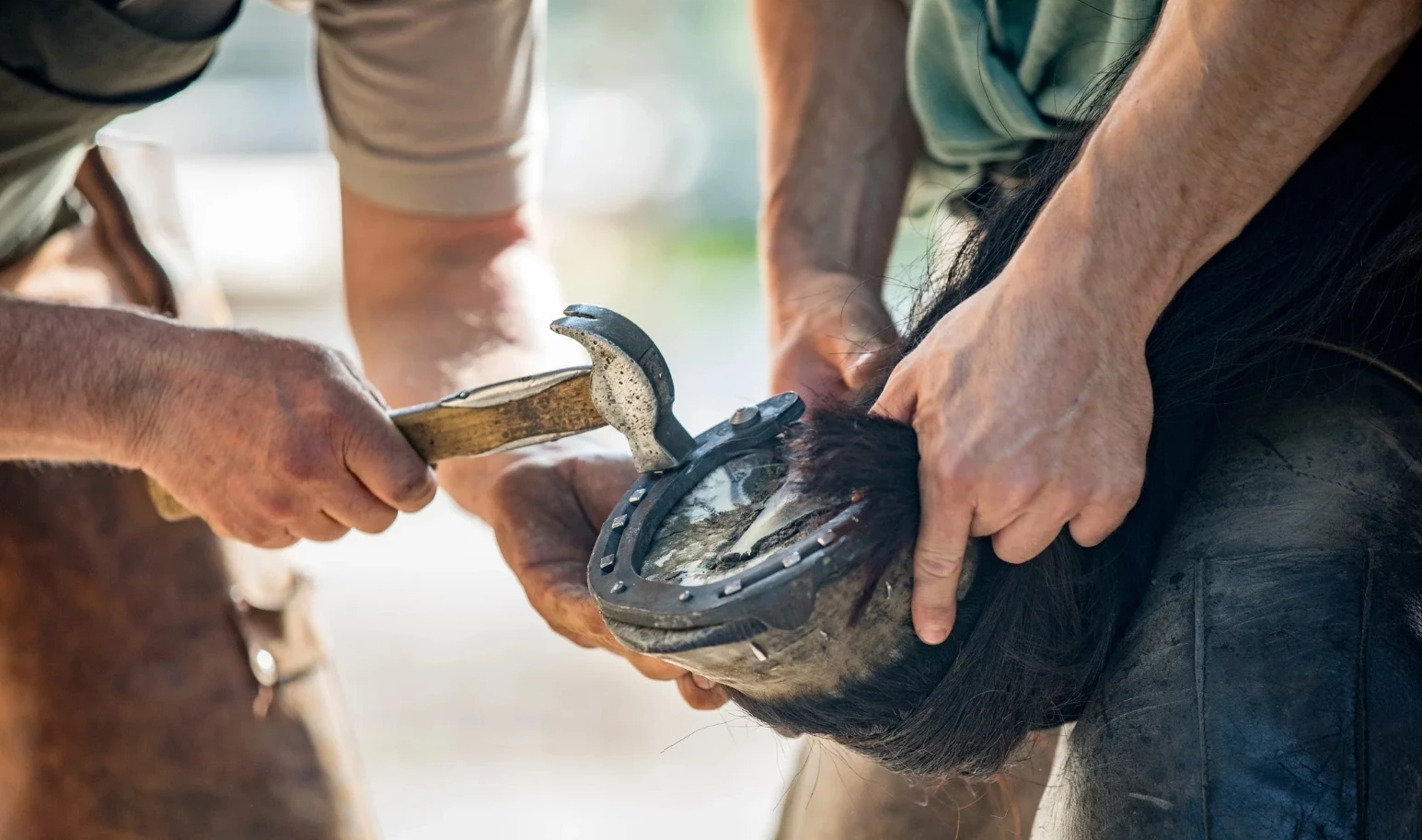
Professional farriers know that choosing the right horseshoe is essential for a horse’s health and performance. Different horses have different needs, and the type of horseshoe can affect everything from comfort to durability. In this article, we will explain the main types of horseshoes used by farriers and why each type is chosen for specific situations.
One of the most common types is the forged horseshoe. Forged horseshoes are made by heating steel and shaping it under high pressure. This process makes the metal stronger and more durable. Farriers often use forged horseshoes for race horses, sport horses, and working horses because they can handle high loads and long periods of use. The dense metal structure also helps prevent cracking or deformation, which is important for horses that are active or carry heavy weight.
Another type is the cast horseshoe. Cast horseshoes are made by pouring molten metal into a mold. This method allows more complex shapes and designs, and production can be faster and cheaper. Cast horseshoes are usually chosen for leisure horses, light-use riding horses, or situations where cost and design flexibility are priorities. However, cast shoes are generally less durable than forged shoes, and they may wear out faster under heavy use.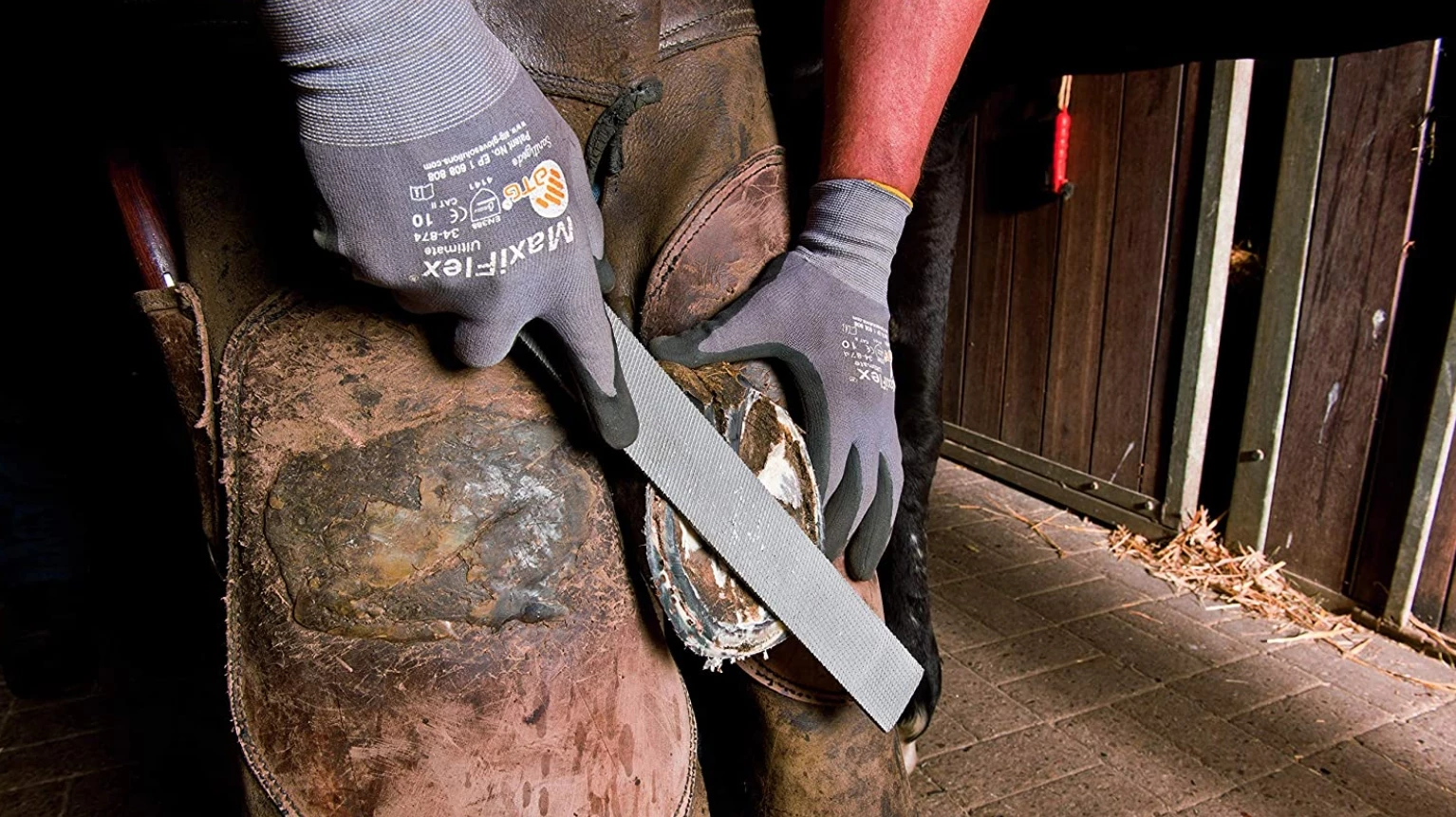
Some farriers also use aluminum horseshoes, especially for race horses and sport horses. Aluminum is much lighter than steel, which helps reduce the weight carried by the horse’s legs. This can improve speed and reduce fatigue during training or competitions. Aluminum shoes are often combined with rubber or synthetic pads to increase comfort and protect the hooves.
There are also rubber or synthetic horseshoes, which are designed to provide extra shock absorption and traction. These shoes are popular for leisure riding, trail horses, and horses with sensitive hooves. Rubber shoes can help reduce the impact on joints and tendons, making them ideal for horses that work on hard or uneven surfaces.
Farriers may also use specialty horseshoes for specific purposes. For example, shoes with calks or studs are used for extra grip on slippery terrain, while corrective shoes are used to treat hoof problems or improve gait. Professional farriers choose these shoes carefully based on the horse’s condition, workload, and the terrain they will be working on.
Overall, the type of horseshoe a farrier selects depends on the horse’s activity, hoof condition, and performance needs. Understanding the differences between forged, cast, aluminum, rubber, and specialty horseshoes helps owners and buyers make informed decisions. For horse owners and equine businesses, working with experienced farriers ensures that horses get the right protection and support, which can improve performance and reduce injury risks.