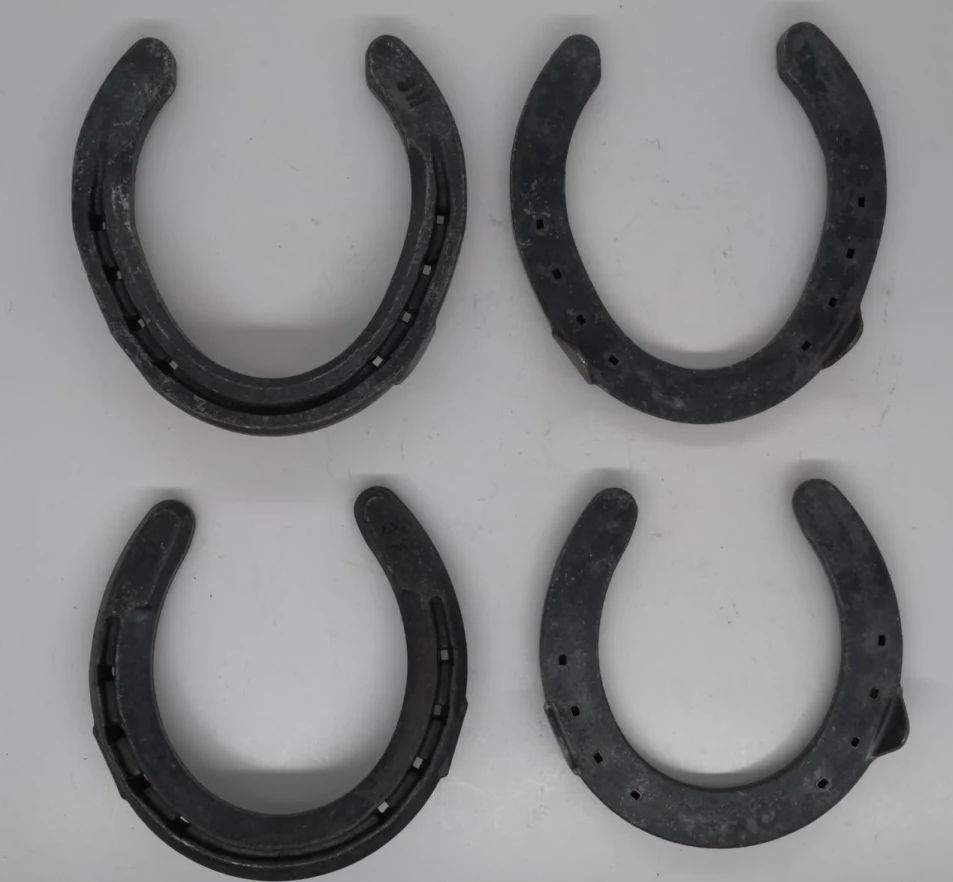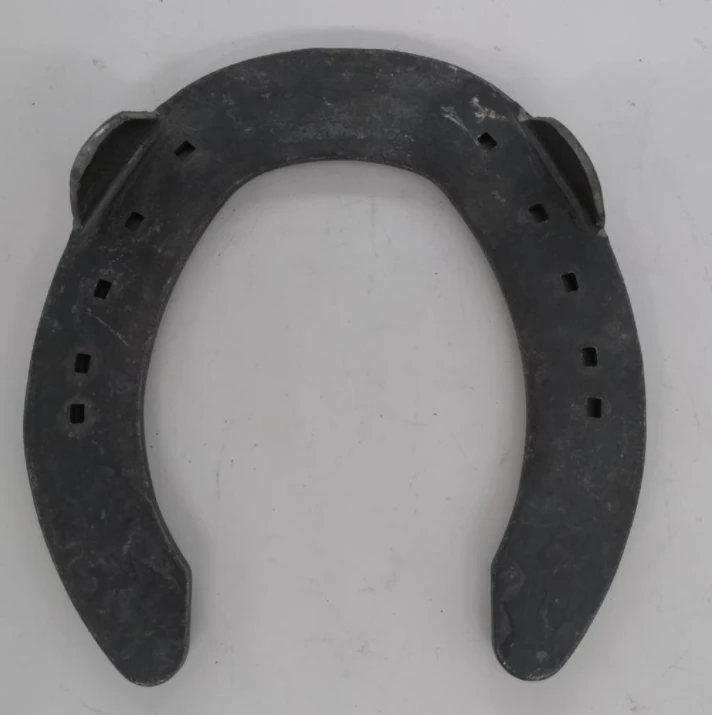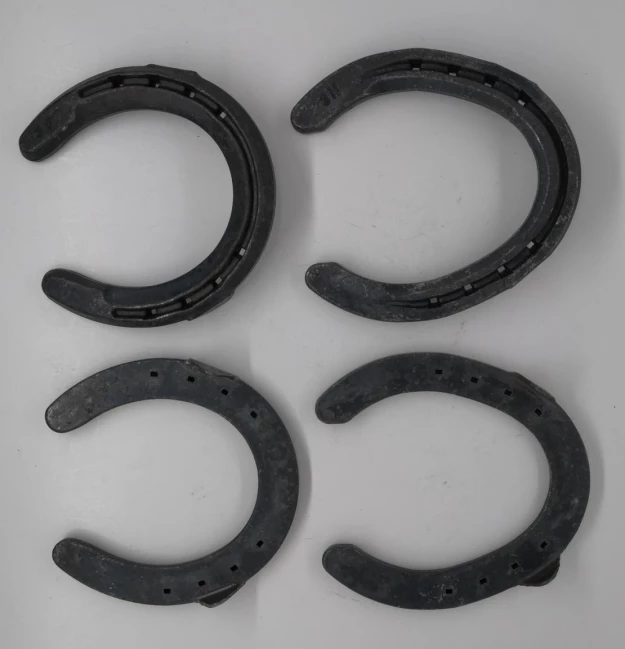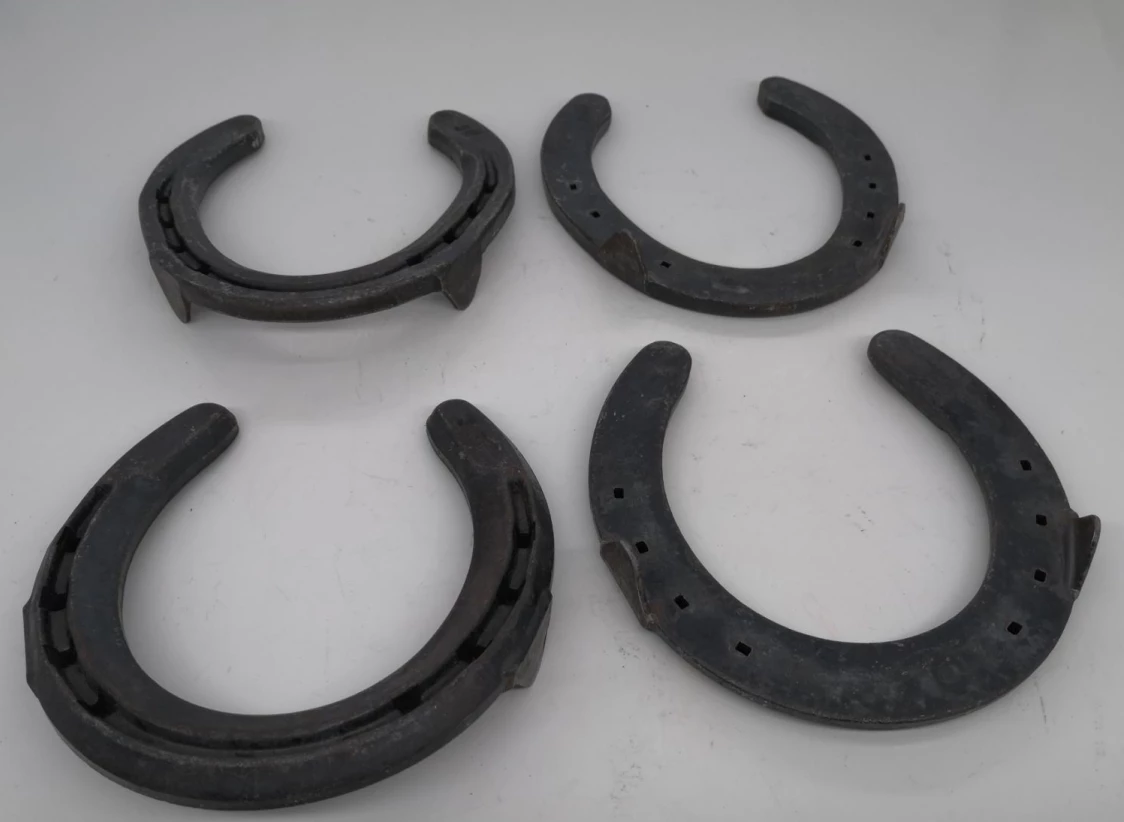


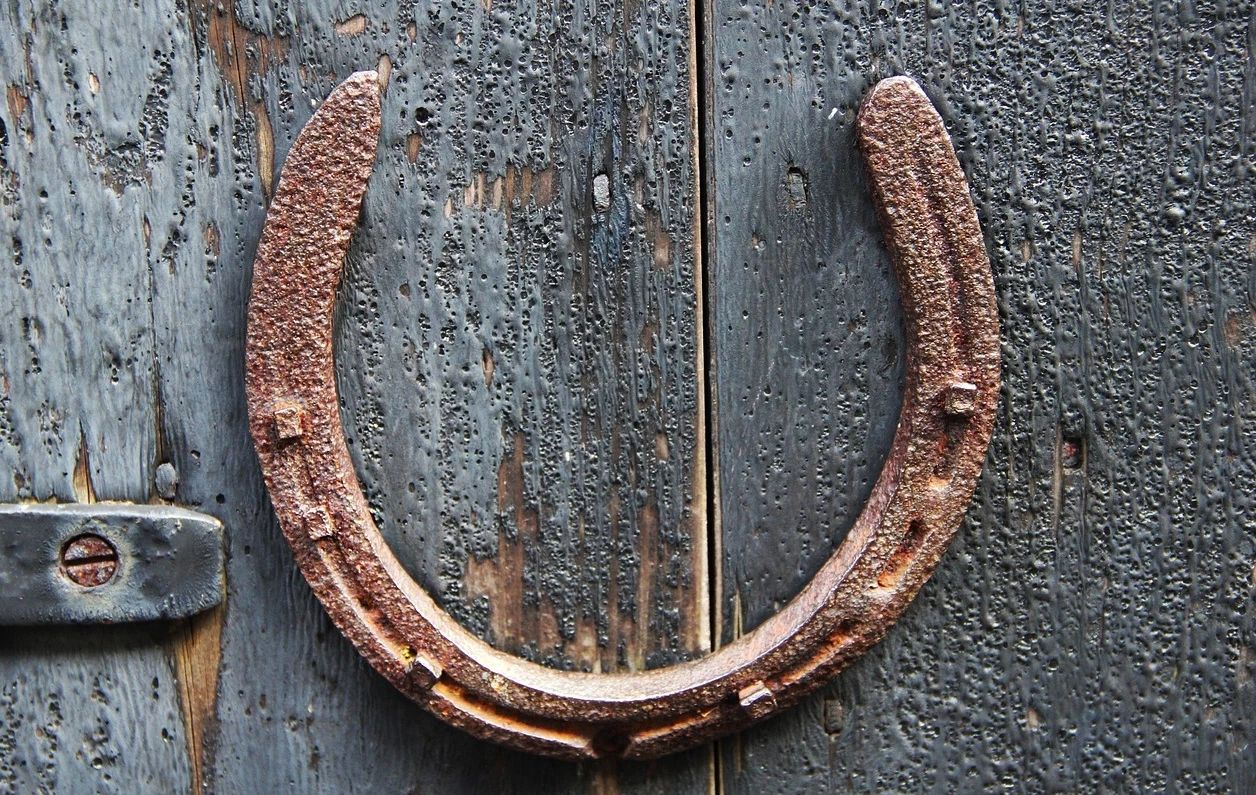
Horseshoes are primarily made from steel or iron, materials that are prone to rust when exposed to moisture and oxygen. Rust not only affects the appearance of horseshoes but also reduces their strength and durability, which can impact the horse’s performance and safety. Effective rust prevention techniques are therefore crucial for manufacturers, farriers, and horse owners.
1. Understanding the Cause of Rust
Rust is a chemical reaction that occurs when iron or steel interacts with water and oxygen, forming iron oxide. Factors that accelerate rust formation include:
-
High humidity or wet environments
-
Acidic or salty conditions
-
Lack of protective coatings
Horseshoes are often exposed to rain, mud, and horse sweat, all of which increase the risk of rusting.
2. Common Rust Prevention Methods
(1) Hot-Dip Galvanization
-
Process: The horseshoe is dipped into molten zinc, forming a protective zinc layer that prevents oxygen and moisture from reaching the steel.
-
Advantages: Long-lasting, highly effective against rust.
-
Applications: Ideal for outdoor or industrial-use horseshoes.
(2) Black Oxide Coating
-
Process: A chemical reaction creates a thin black protective layer on the steel surface.
-
Advantages: Maintains dimensional accuracy, improves corrosion resistance, and provides an aesthetic finish.
-
Limitations: Less effective in high-humidity or wet conditions; usually combined with oil or wax for additional protection.
(3) Powder Coating
-
Process: Dry powder is electrostatically applied to the horseshoe and then cured under heat to form a hard protective layer.
-
Advantages: Excellent corrosion and wear resistance; available in various colors for decorative or custom designs.
(4) Oil or Grease Coating
-
Process: Horseshoes are coated with anti-corrosion oils or greases.
-
Advantages: Simple, cost-effective, suitable for short-term storage or transportation.
-
Limitations: Requires regular reapplication; less suitable for horseshoes in active daily use.
(5) Using Stainless Steel or Alloyed Materials
-
Approach: Producing horseshoes from rust-resistant stainless steel or alloyed steel.
-
Advantages: Naturally corrosion-resistant without additional coatings.
-
Limitations: Material costs are higher compared to traditional steel.
3. Industrial Rust Prevention Process
-
Surface Preparation
-
Remove oil, dirt, and mill scale using cleaning or sandblasting.
-
Ensure the surface is dry and free from contaminants.
-
-
Application of Protective Coating
-
Select an appropriate method based on usage: galvanization, black oxide, powder coating, or oil.
-
-
Curing or Drying
-
For chemical or powder coatings, follow precise temperature and time controls to ensure full adhesion and protection.
-
-
Inspection and Testing
-
Check coating thickness, adhesion, and coverage.
-
Conduct salt spray or humidity tests to ensure corrosion resistance.
-
-
Packaging and Storage
-
Store in a dry environment; use additional oil or protective packaging if necessary.
-
Note: Even after industrial rust prevention, regular inspection and maintenance are critical to prevent early corrosion.
4. Choosing the Right Rust Prevention Method
-
Outdoor or wet environments: Hot-dip galvanization or stainless steel horseshoes are preferred.
-
Decorative or specialty horseshoes: Powder coating or black oxide provides both protection and aesthetic appeal.
-
Short-term storage or shipping: Oil or grease coating is cost-effective and simple.
5. Maintenance Tips
-
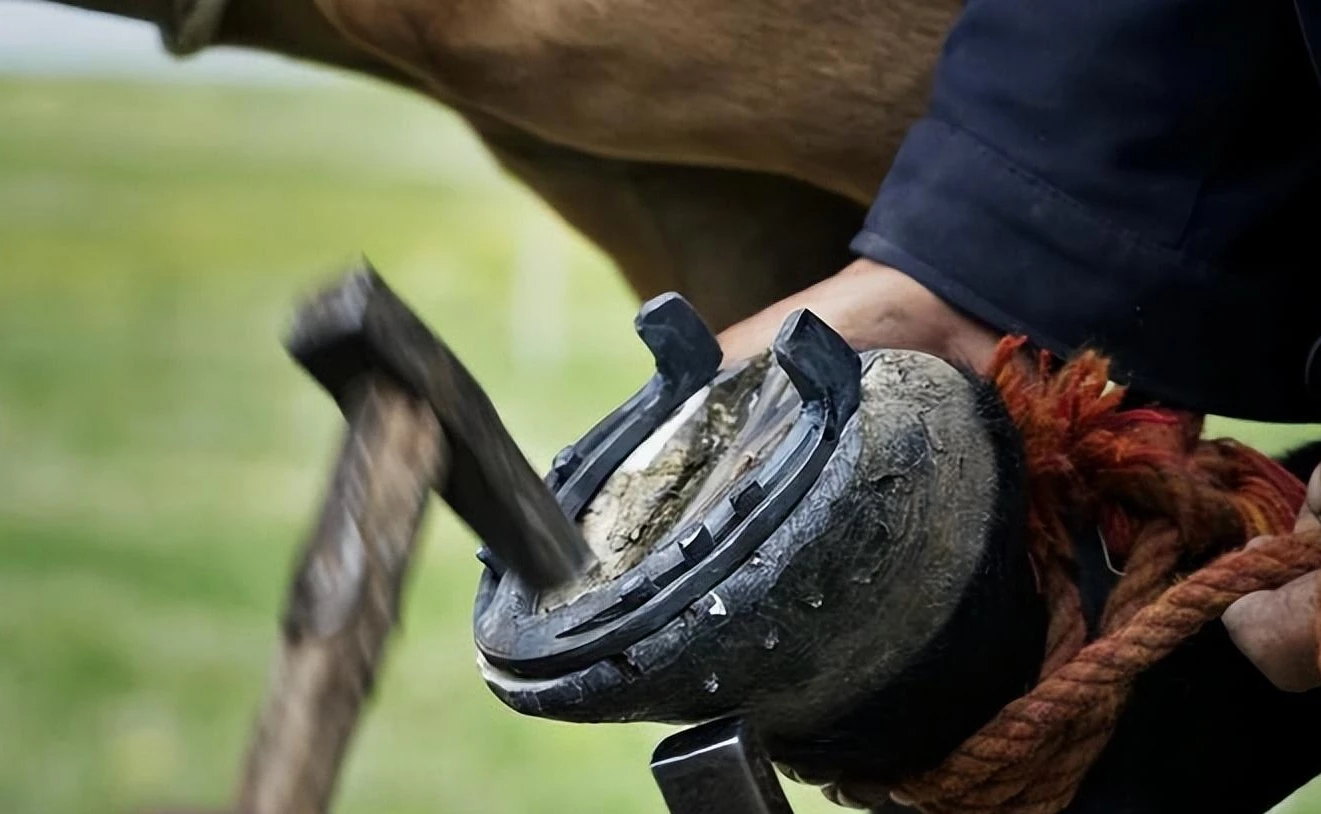
Clean horseshoes regularly to remove mud and debris.
-
Apply anti-rust oil periodically, especially in humid conditions.
-
Inspect for scratches or worn coatings and reapply protective layers as needed.
FAQ: Frequently Asked Questions
Q1: Why do horseshoes rust?
A: Rust occurs when iron or steel reacts with moisture and oxygen. Factors like rain, mud, and horse sweat accelerate the process.
Q2: Which rust prevention method is the most durable?
A: Hot-dip galvanization and stainless steel are the most durable options for long-term rust prevention.
Q3: Can powder-coated horseshoes be used outdoors?
A: Yes, powder coating provides strong corrosion resistance, but extreme weather may eventually cause wear; regular maintenance is recommended.
Q4: How often should oil-coated horseshoes be maintained?
A: Oil or grease coatings should be reapplied regularly, especially after exposure to rain or mud.
Q5: Is it worth investing in stainless steel horseshoes?
A: Yes, for long-term use or high-performance horses, stainless steel provides natural corrosion resistance and reduces maintenance needs.
Conclusion
Rust prevention is essential for ensuring the durability, performance, and safety of horseshoes. By understanding the causes of rust and implementing appropriate industrial techniques—such as galvanization, coatings, or using corrosion-resistant materials—manufacturers and horse owners can significantly extend the lifespan of horseshoes. Combined with proper maintenance, these methods ensure that horseshoes remain strong, reliable, and safe for the horse.
Note: Integrating industrial rust prevention methods with regular maintenance offers the most effective protection, whether for professional equestrian use or everyday riding.