
Grooming is more than just making your horse look shiny — it’s an essential part of daily horse care. Regular grooming improves circulation, checks for injuries, removes dirt and sweat, and strengthens the bond between horse and rider.
Whether you’re a beginner or a professional, knowing the proper techniques and tools is key to safe and effective grooming.
🌟 Why Grooming Matters
-
Health check: Grooming allows you to spot cuts, bruises, swelling, or loose shoes before they become serious problems.
-
Hoof care: Picking out hooves daily prevents thrush, stones, or dirt from causing discomfort or loosening horseshoes.
-
Coat maintenance: Brushing removes dirt, sweat, and debris, helping your horse’s natural oils shine through.
-
Bonding: Grooming is a calm, trust-building activity that strengthens the relationship between horse and handler.
🧴 Essential Grooming Tools
Here’s a list of the most commonly used grooming tools every stable should have:
1. Curry Comb
-
Used in a circular motion to loosen dirt, mud, and hair.
-
Best on the horse’s neck, shoulders, and hindquarters.
-
Avoid using on the face or bony areas.
2. Dandy Brush (Stiff Brush)
-
Removes dirt and loose hair after currying.
-
Use short, flicking strokes in the direction of the hair.
3. Body Brush (Soft Brush)
-
Ideal for sensitive areas like the face and legs.
-
Gives a finishing touch to the coat, adding shine.
4. Hoof Pick
-
Clean debris from hooves daily.
-
Check for stones, mud, or loose horseshoes.
-
Always pick from heel to toe, avoiding injury to the frog.
5. Mane and Tail Comb
-
Detangles hair gently, reducing breakage.
-
Start at the bottom and work your way up.
6. Sweat Scraper
-
Removes excess water after washing.
-
Helps prevent skin irritation and chills.
7. Sponges & Towels
-
Useful for cleaning the face, eyes, and sensitive areas.
-
Can also be used to apply hoof conditioners or fly sprays.
8. Optional Supplies
-
Fly spray, coat conditioner, hoof oil, and grooming mitts.
-
Useful for special conditions like dry weather, shedding season, or show preparation.
🐎 Step-by-Step Grooming Routine
-
Secure your horse safely
Tie using a quick-release knot or cross-ties in a safe area. -
Curry the body
Remove loose dirt and hair with a curry comb. Use circular motions to stimulate blood flow. -
Brush with stiff and soft brushes
Follow up with a dandy brush for heavy dirt, then a soft brush to finish and shine. -
Clean the hooves
Pick out stones, mud, and check for loose horseshoes. Apply hoof conditioner if needed. -
Mane and tail care
Comb gently, starting at the tips. Avoid yanking knots to prevent hair breakage. -
Spot clean with sponges
Use for the face, eyes, and sensitive areas. Apply fly spray or conditioner as needed. -
Check overall health
Look for swelling, heat, cuts, or signs of discomfort. Grooming doubles as a daily health inspection.
🧾 Note: Grooming & Hoof Health
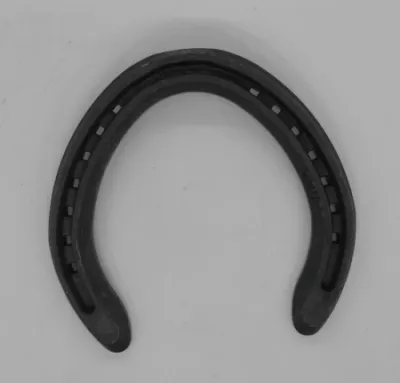
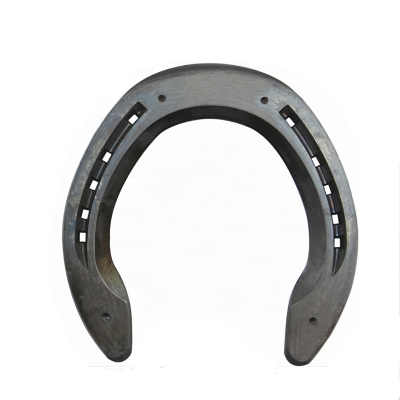
As a horseshoe manufacturer, we emphasize that grooming is closely linked to hoof care. Loose dirt or mud can hide cracks, infections, or shoe issues. By keeping your horse clean and checking hooves daily, you help maintain the durability and performance of horseshoes, prevent injuries, and extend hoof health.
❓ FAQ – Grooming Essentials
Q1: How often should I groom my horse?
A: At minimum, daily for active horses; before and after riding is best.
Q2: Can grooming help with shedding?
A: Yes. Regular brushing during shedding season removes loose hair and promotes a healthy, shiny coat.
Q3: Should I use conditioner on hooves?
A: Hoof conditioners are helpful in dry weather to prevent cracks, especially for horses with shoes.
Q4: Can grooming replace a vet check?
A: No. Grooming is a preventative measure, not a substitute for veterinary care. But it helps you notice issues early.
Q5: What’s the best way to avoid brushing injuries?
A: Always brush in the direction of hair growth, avoid bony areas, and move calmly around your horse.