
You might wonder why horses with broken legs face euthanasia. Horses have unique bodies that make healing very difficult.
- Their large bodies rest on slender legs, making it impossible for them to avoid using an injured leg.
- Horses have a natural inclination to move, which can exacerbate the injury.
- Blood circulation is poor below the hock, making it challenging to treat infections.
- Managing pain is complicated, and administering excessive medication can pose serious risks.
These issues illustrate why horses with broken legs face euthanasia.
Key Takeaways
- Horses have big bodies and thin legs. This makes it hard for them to heal broken legs. They cannot stop using the hurt leg.
- It is hard to control pain in horses. Some broken bones cannot be fixed. Euthanasia is sometimes the kindest choice.
- Horses have poor blood flow in their legs. This slows down healing. It is very hard for a horse to recover from a broken leg.
- Problems like laminitis can happen. This occurs when a horse puts too much weight on the good leg. These problems make euthanasia more likely.
- Vets look at how bad the break is. They also check the horse’s health. They must decide quickly what is best for the horse.
Why Horses With Broken Legs Face Euthanasia
Pain And Weight-Bearing Issues
When a horse breaks a leg, pain and weight problems get worse fast. Horses cannot stand on three legs for very long. Their bodies are heavy, and their legs are thin. If a horse does not use the hurt leg, it puts more weight on the other legs. This can lead to serious problems like laminitis, which hurts the healthy legs.
- Horses cannot stand on three legs for long, so treatment is hard.
- Pain that will not go away or cannot be fixed is a reason for euthanasia.
- Some fractures cannot be fixed, so euthanasia is needed.
Veterinarians have ways to check pain in horses with broken legs:
- They touch the swollen spot to see how the horse acts.
- They watch if the horse moves away from their hand.
- They do the test again to make sure.
- They press on the other leg to compare.
You might see that a horse with a broken leg cannot walk right. Vets watch how the horse moves, look for lameness, and check for a stiff back. These signs help them know how much pain the horse feels.
The horse’s comfort and hope for a pain-free life are most important when making choices after a broken leg.
You cannot treat a horse like a person in this case. Horses cannot get new limbs or live well with amputations. This makes quality of life a big part of why horses with broken legs face euthanasia.
Severity Of Fractures
The kind of fracture matters a lot for what happens next. Some fractures are simple, but others are much worse.
- Comminuted Fracture: The bone breaks into many pieces. This is usually bad news, especially for athletic horses.
- Compound Fracture: The bone sticks out through the skin. This type has a high risk of infection and is harder to heal.
When you think about why horses with broken legs face euthanasia, you see not all fractures can heal. Some injuries are too bad, and the horse cannot get better enough to live well. Even if surgery can be done, it costs a lot, is risky, and needs lots of care. Many horses cannot go through this.
Poor Blood Flow And Healing
Blood flow in a horse’s leg is not as strong as in other body parts. This makes healing much harder. When a bone breaks, blood supply can get hurt. Swelling and inflammation around the break slow healing even more.
| Evidence | Description |
|---|---|
| Arterial Damage | If arteries are stretched or hurt, they can close up. This stops blood flow and can kill tissue. Sometimes, this means amputation or even death. |
- If the bone moves, it can hurt blood supply.
- Swelling around the break can slow healing.
The vascular system in a horse’s leg is very important for healing. If blood cannot get to the hurt spot, the bone and tissue cannot fix themselves. Recovery from a broken leg can take four to six weeks at first, but full healing can take months. Both bone healing and getting movement back are needed for a good result.
Now you can see why horses with broken legs face euthanasia so often. Pain, the kind of fracture, and poor blood flow make healing very hard. Horses need to move and stand, but their bodies cannot handle a broken leg. This is why veterinarians often say euthanasia is the kindest choice.
Medical Risks
Laminitis
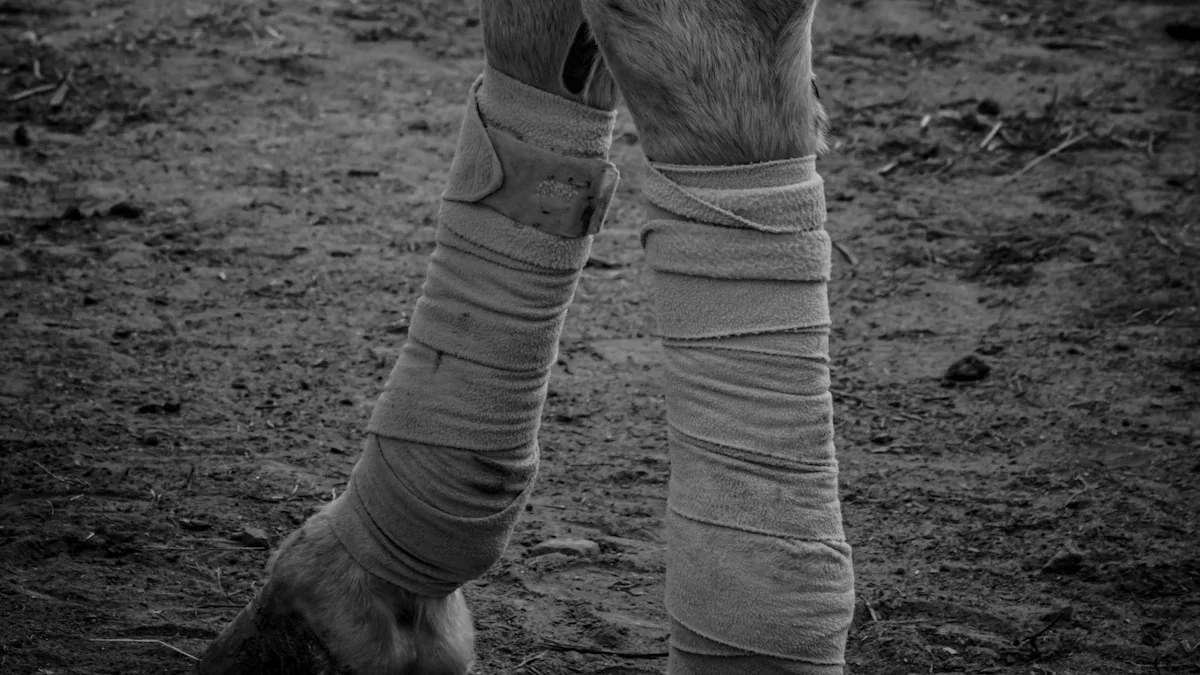
When a horse breaks a leg, you might think the biggest problem is the broken bone. However, another serious risk is laminitis. Laminitis happens when a horse puts too much weight on the healthy leg while avoiding the injured one. This extra pressure can damage the hoof and cause severe pain. You may have heard about the famous racehorse Barbaro. He broke his leg and later developed laminitis in his other legs because he had to stand on them more.
- Supporting limb laminitis often develops when a horse cannot use one leg.
- The healthy leg takes on too much weight, which leads to swelling and pain.
- Blood flow to the hoof drops, and the cells do not get enough oxygen or nutrients.
- The hoof can start to separate from the bone, making it hard for the horse to stand or walk.
Laminitis is very painful and can be fatal. This risk is a major reason why horses with broken legs face euthanasia.
Complications From Immobilization
Keeping a horse still for a long time brings its own set of problems. Horses need to move to stay healthy. When you keep a horse in one place to heal a broken leg, you risk more health issues.
| Complication | Description |
|---|---|
| Colic | Digestive problems can develop when a horse lies down too much. |
| Pneumonia | Lack of movement lets fluid build up in the lungs, causing pneumonia. |
| Pressure sores | Lying down for long periods can cause painful sores on the body. |
| Rhabdomyolysis | Muscles can break down from not moving enough. |
| Blood pooling and swelling | Blood does not flow well, leading to swelling in the limbs. |
| Supporting-limb laminitis | The healthy leg can develop laminitis from carrying extra weight. |
Treating horses with antibiotics is also hard because of their size. Too many antibiotics can cause life-threatening diarrhea. Painkillers can lead to ulcers. If the broken bone sticks out through the skin, dirt can get in and cause infection. Poor blood flow in the lower leg makes healing even harder.
You can see that these medical risks make recovery very difficult. These risks help explain why horses with broken legs face euthanasia so often.
Treatment And Decision-Making
Limited Options
When a horse breaks its leg, there are not many ways to help. Horses need strong legs to stand and walk. Treatments that work for small animals often do not help horses. Here are the main choices:
| Treatment Option | Description |
|---|---|
| Immediate Care and Stabilization | The leg is kept still with a splint or bandage. Pain medicine is given until the vet comes. |
| Surgical Interventions | Surgery can use plates, screws, or pins to fix the bone. |
| Rehabilitation and Recovery | Rest and physical therapy help healing, but it takes a long time. |
Surgery works for some horses, but not all of them. How well it works depends on the type of surgery and the injury. Look at this table to see how different surgeries do:
| Surgical Method | Success Rate (%) | Return to Intended Use (%) |
|---|---|---|
| nDCP | 75% - 78% | N/A |
| TBW | 82% | 76% |
| AAHP | 60% | N/A |
| Conservative | 33% | Poor |
Even the best surgeries do not always let the horse go back to normal life. Many horses cannot get through the long healing time.
Humane Versus Financial Considerations
You might think money is the main reason for euthanasia. But most choices are about the horse’s comfort and health. Owners and vets look at many things:
- Horses need special care, space, and medical help.
- It can be hard for families to care for a horse that cannot heal.
- The vet gives advice and facts, but you make the final choice.
| Consideration | Description |
|---|---|
| Quality of Life | Will the horse be in pain or suffer? |
| Likelihood of Recovery | Can the horse get better and have a good life? |
| Owner's Financial Ability | Can you pay for the care the horse needs? |
| Emotional Bond | How close are you to your horse? |
| Alternatives | Are there any other choices before euthanasia? |
Most owners want what is best for their horse. The main goal is to stop pain, not just save money.
Quick Assessment By Veterinarians
When you call a vet for a horse with a broken leg, the vet must act fast. The vet checks the whole horse, not just the leg. Here are some things the vet looks at:
| Criteria | Description |
|---|---|
| Location of the fracture | Some breaks are worse, depending on where they are. |
| Size of the horse | Smaller horses may heal better than big ones. |
| Open vs. closed fracture | Open breaks are harder to treat and heal. |
| Severity of the fracture | More damage means less chance to get better. |
| Condition and temperament | A calm, healthy horse may do better. |
| Cost of treatment | Expensive care may not always help the horse. |
| Expectations for outcome | Will the horse work again or just live in a field? |
The vet also checks for shock or other injuries before treating the leg. You can see that the choice often happens fast. It depends on what the horse needs and if it can have a good life. This is why deciding about euthanasia is hard but sometimes needed.
Future Possibilities
Advances In Veterinary Medicine
There is hope for horses with broken legs now. Surgeons use better tools to fix broken bones. New imaging helps vets see injuries more clearly. Stronger plates and screws support the bone better. These changes help more horses survive and heal.
| Evidence Description | Impact on Survival Rates |
|---|---|
| Better surgery, imaging, and rehab | Survival and recovery rates are much higher |
| Improved implants and plates | Surgery for fractures works better now |
| Success with condylar fractures | More horses recover and perform again |
More horses can go back to normal life after surgery. These advances give horses a better chance to get well.
Rare Recoveries
Some horses do get better after bad leg breaks. Bandit, a 12-year-old Paso Fino, is one example. He broke his right hind leg and needed surgery. Doctors used a plate and a special cast. Bandit had many problems but got months of care. He healed and went back to his daily life. He had some arthritis but still lived well.
Several things help rare recoveries happen:
| Factor | Description |
|---|---|
| Surgery | Plates, screws, or pins fix the bone |
| Care after surgery | Rest and rehab help movement come back |
| Horse’s attitude | Calm horses heal better |
| How bad the break is | Less severe breaks or younger horses heal faster |
| Rehab process | Long rest and therapy are needed |
Recovery needs teamwork, patience, and good care.
Research And Hope
Scientists keep looking for better ways to help horses heal. New external fixators are being made to support broken legs. Computer models help study how screws and bones work together. The goal is safer and more comfortable treatments.
| Evidence Description | Key Findings |
|---|---|
| New external fixators | Devices may help treat leg fractures better |
| Biomechanical modeling | Shows how fixators can support bones |
| Treatment challenges | Fixation failure and comfort are still problems |
| More research needed | New devices need more testing |
You may hear about new therapies for the future:
- PEMF therapy helps healing
- Stem cells for repair
- Laser therapy lowers swelling
- Hydrotherapy boosts blood flow
- Cryotherapy calms inflammation
- Chiropractic care helps joints
Every year, new treatments bring hope for horses with broken legs. You can help by learning and supporting research.
Now you know why horses with broken legs are often put down. The biggest reasons are pain, slow healing, and many health risks. When making choices, you should think about what is best for the horse.
- Euthanasia helps stop pain.
- The horse’s comfort matters most.
- Owners may not always know what is right.
- Money can make people wait too long.
New treatments and research may help horses more in the future. Being kind is important in every choice you make for your horse.
FAQ
Why can’t you put a cast on a horse’s broken leg like you do for people?
A horse’s size and need to stand make casts less effective. Horses often break the cast or hurt themselves more. Horses cannot rest in bed like people.
Can a horse live with three legs?
No, horses cannot live well on three legs. Their bodies need all four legs to stand, walk, and move. If a horse loses a leg, it cannot support its weight.
Is euthanasia always the only option for a horse with a broken leg?
Not always. Some simple fractures can heal with surgery and care. Most severe breaks do not heal well. Your vet will help you decide what is best for your horse.
Do horses feel pain during euthanasia?
No, horses do not feel pain during euthanasia. The vet gives medicine that works quickly. Your horse falls asleep and passes away peacefully.
Why do racehorses seem to break their legs more often?
Racehorses run at high speeds and put extra stress on their legs. Their bones can weaken from hard training. This makes them more likely to suffer leg injuries.