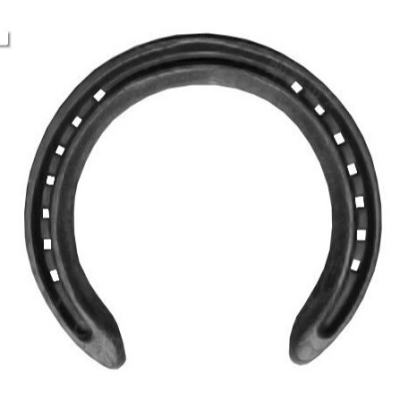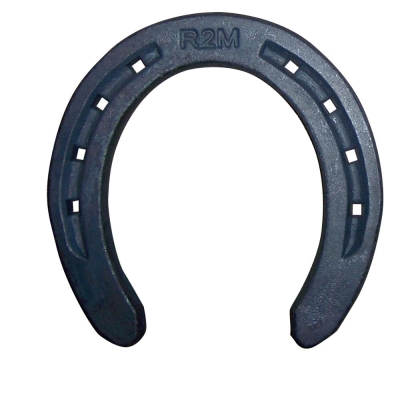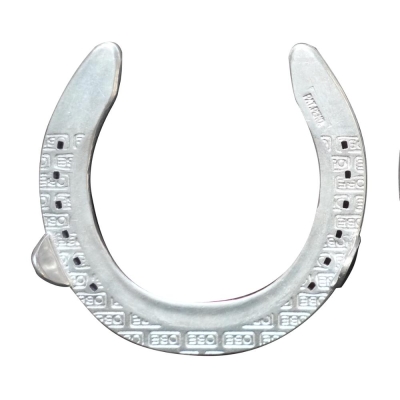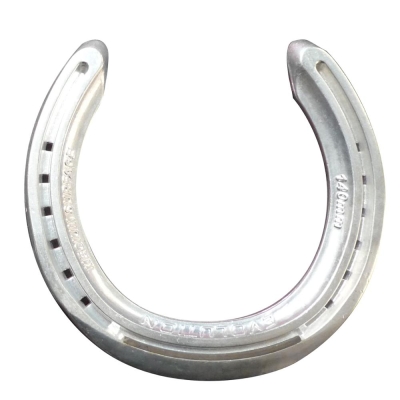

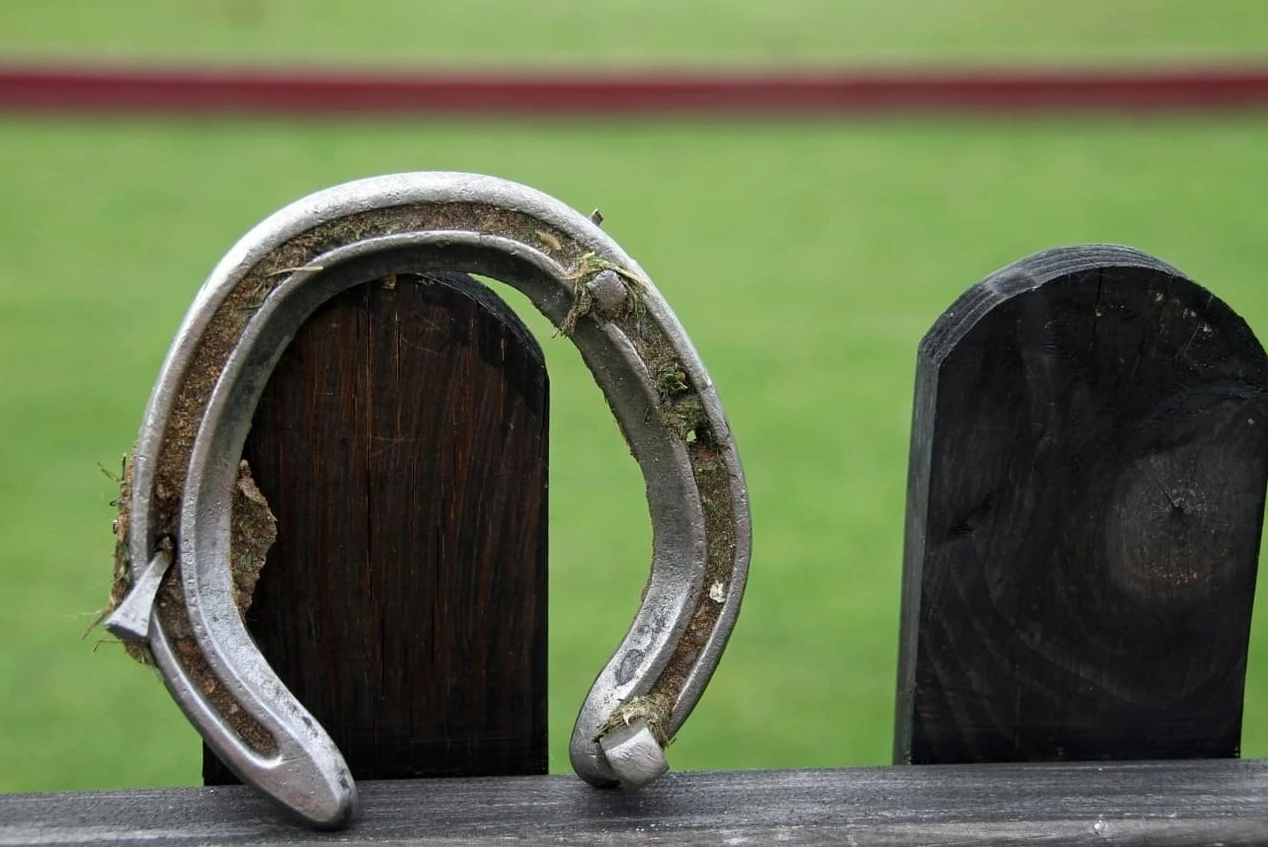
When a horse is losing shoes, it can lead to pain and difficulty walking. Proper shoeing is crucial for maintaining healthy hooves. For instance, heart-bar shoes help stabilize the coffin bone in horses suffering from laminitis, preventing harmful movement. Regular shoes do not offer the same level of protection. A horse losing shoes can negatively impact its health. By understanding these risks and addressing them promptly, you can ensure your horse remains happy and mobile.
Key Takeaways
- Take care of your horse's hooves often. Clean and trim them every 6 to 8 weeks to keep them strong and shoes in place.
- Make sure the shoes fit well. Your farrier should pick the right size and shape to avoid pain or losing shoes.
- Protect your horse from risky areas. Stay away from muddy or rocky places that can loosen shoes. Use protective gear for extra safety.
- Feed your horse healthy food. Give a balanced diet with nutrients like biotin and zinc to make hooves stronger and keep shoes secure.
- Look for hoof problems early. If you see lameness or cracks, get help quickly to stop shoe loss.
Common Reasons for Horse Losing Shoes
Poor hoof health
Strong hooves are key to keeping shoes secure. Weak or damaged hooves can't hold nails well, so shoes fall off easily. Problems like uneven heels or bad breakover can cause lameness. Lameness makes the horse land toe-first, loosening the shoe. Weak hooves also depend more on shoes for protection, especially during sports.
To keep hooves healthy, trim and balance them often. Hooves change with moisture, so control how wet they get. If hooves are too soft or too dry, they can't hold shoes tightly.
Tip: Clean and dry your horse's hooves to avoid cracks or infections that weaken them.
Improper shoe fit
Badly fitting shoes can harm your horse. Shoes that are too tight or loose might catch on things or get stepped on, causing them to fall off. Poor shoeing can also hurt the horse's body, leading to lameness or other problems. For example, a bad shoe fit can strain the legs, making it harder for shoes to stay on.
Make sure your farrier picks the right size and shape of shoe. Shoes that don't fit well can hurt and fall off more easily. Check and adjust shoes regularly as hooves grow and change.
Note: Plan shoeing every six to eight weeks to keep shoes fitting well and hooves balanced.
Environmental challenges
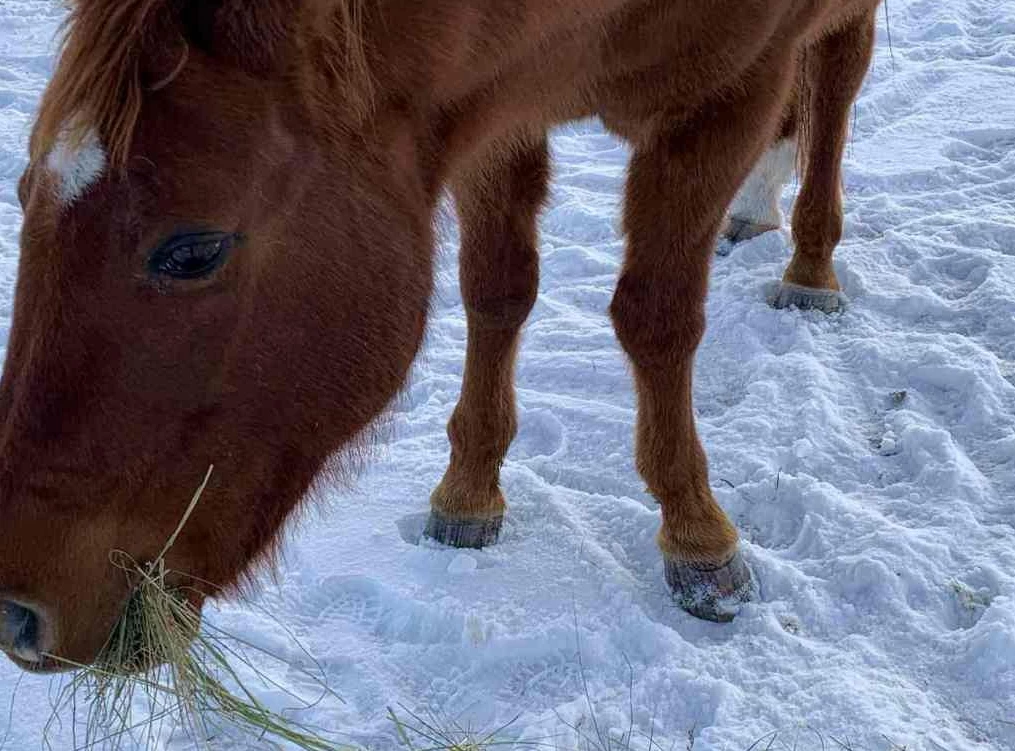
Where your horse walks affects shoe loss. Mud, rocks, and wet areas can make shoes come off. Wet hooves expand and shrink, loosening the nails. Horses working on slippery or rough ground are more likely to lose shoes because of extra stress.
Studies show how different surfaces affect shoe loss. The chart below shows how conditions impact shoe retention:
To lower risks, manage where your horse walks or works. Avoid very wet or rocky places. If your horse works in tough areas, use boots or special shoes for better grip and strength.
Tip: After every ride, check your horse's shoes for damage or looseness caused by the environment.
Overreaching and conformation issues
Overreaching happens when the back hooves hit the front ones. This can loosen or pull off a shoe completely. Horses with long steps or poor balance overreach more often. Uneven legs or unsteady walking also increase this risk. These problems make smooth movement harder, causing shoes to fall off.
Some horses lose shoes when pushed too hard physically. Tired horses move less carefully, leading to hoof strikes. Shoes can get caught and pulled off during these moments.
To prevent overreaching, try these steps:
- Use protective gear: Bell boots or overreach boots protect hooves and shoes from strikes.
- Work on conditioning: Slowly build your horse's strength to improve balance and control.
- Address conformation issues: Ask a farrier or vet to check your horse's body structure. They can suggest shoeing methods or fixes to reduce interference.
Tip: Watch your horse's movement during rides or training. Look for early signs like scuff marks on front hooves. Fixing the issue early can stop shoe loss.
By learning how overreaching and body issues cause shoe loss, you can act early. Good care helps keep shoes secure and lowers injury risks.
How to Prevent Horse Losing Shoes
Regular hoof care
Taking care of your horse's hooves often helps stop shoe loss. Clean the hooves daily to remove dirt, rocks, or debris. These can weaken the hoof or loosen the shoe. Trim and balance the hooves every six to eight weeks. This keeps them healthy and ensures the shoes fit well.
Trimming hooves the right way is very important. Uneven trimming can stress the shoe and make it fall off. If switching your horse from shoes to barefoot, give time for adjustment. Removing shoes too quickly can weaken the hooves and cause injuries.
Note: Studies show that a 1° drop in the palmar angle increases pressure on the navicular bone by 4%. This proves how important proper hoof care is for your horse's health.
Proper shoeing techniques
Shoeing your horse correctly helps keep the shoes secure. A skilled farrier will pick the right size and type of shoe. They consider your horse's needs and activities. For example, horses in sports like reining need special shoeing to avoid shoe loss.
Custom shoeing can fix problems like overreaching or uneven steps. Farriers may use protective gear or adjust shoe placement. This stops back hooves from hitting front ones. Check and adjust shoes regularly as hooves grow and change.
- Key tips for proper shoeing:
- Pick the correct size and shape of shoe.
- Place nails securely without harming the hoof wall.
- Adjust shoeing schedule based on hoof growth.
Special shoeing methods lower shoe loss risks and improve comfort and performance.
Nutrition and supplements for hoof strength
A good diet is key for strong hooves. Poor nutrition weakens the hoof wall, making shoes fall off easily. Feeding your horse the right nutrients helps hoof growth and strength, reducing shoe loss.
Some nutrients are vital for hoof health:
- Biotin: Helps hooves grow and improves quality, especially for brittle hooves.
- Copper and Zinc: Needed for keratin and strong hoof structure.
- Methionine: Improves hoof quality and supports laminae bonding.
- Fatty Acids: Protect hooves from water damage.
A study by Ohio State University found horses with hoof supplements grew hooves faster. They gained half a centimeter more hoof growth in 32 weeks. These horses also had higher biotin levels, showing the benefits of good nutrition.
| Nutrient | Impact on Hoof Health |
|---|---|
| Biotin | Helps hooves grow and improves quality, especially for brittle hooves. |
| Copper | Needed for hoof formation and keratin production. |
| Zinc | Important for keratin; lack of it weakens hooves. |
| Methionine | Improves hoof growth and quality; helps bond hoof layers. |
| Energy | Needed for hoof growth; low energy slows growth and weakens hooves. |
| Protein | Keeps hoof walls strong; lack of protein weakens hooves. |
| Fatty Acids | Protect hooves from water damage; essential for hoof health. |
Tip: If your horse has weak hooves, try a hoof supplement. Ask your vet to recommend the best one for your horse.
By combining good nutrition, regular hoof care, and proper shoeing, you can help your horse keep its shoes on.
Managing environmental risks
The environment affects how well your horse's shoes stay on. By handling these risks, you can help prevent shoe loss and keep hooves safe.
1. Stay away from wet or muddy areas
Too much moisture weakens hooves, making shoes fall off easily. Wet hooves expand and shrink, loosening the nails. Mud can pull shoes off when your horse moves.
To avoid this, keep your horse in a clean, dry place. Add gravel or sand to busy spots like gates to drain water. If your horse gets wet, dry its hooves completely afterward.
Tip: Use a hoof sealant to block moisture. This helps keep hooves strong and shoes secure.
2. Protect hooves on rough ground
Gravel, rocks, or hard dirt can damage hooves and shoes. Shoes may bend or loosen on uneven surfaces, leading to shoe loss.
When riding on rocky paths, use hoof boots for extra safety. These boots protect hooves and shoes from damage. If your horse often works on tough ground, ask your farrier about stronger shoe materials like steel.
Note: After rides on rough ground, check shoes for damage like bent nails or loose edges.
3. Keep training areas safe
Slippery or uneven training grounds can make your horse slip or twist. These movements can cause shoe loss or injuries. Make sure training areas are flat, firm, and well-kept.
Rake or smooth the ground often to remove uneven spots. If the ground is too hard, lightly water it to soften it. For synthetic surfaces, check their condition to avoid wearing out the shoes.
4. Adjust care for each season
Seasons bring different hoof challenges. Winter ice can cause slipping and shoe loss. Summer heat can dry hooves, making shoes harder to hold.
Change your care routine with the seasons. In winter, use traction tools like studs to stop slipping. In summer, use moisturizers to keep hooves strong. Reduce work during extreme weather to protect hooves.
Tip: Plan farrier visits before seasons change. This keeps shoes ready for new weather conditions.
By managing these risks, you create a safer space for your horse. These actions help prevent shoe loss and improve hoof health.
When to Seek Professional Help
Signs of hoof problems needing expert care
Knowing when to get help can protect your horse. Look for signs like ongoing lameness, cracks in the hoof, or bad smells. These could mean infections or other hoof issues. If your horse has trouble walking or seems uncomfortable, call a professional quickly.
Changes in hoof shape or growth are also warning signs. For example, a flat sole or uneven shoe wear might show deeper problems. Checking your horse's hooves often helps catch these issues early.
Tip: Write down hoof changes in a journal. This helps you and your farrier track hoof health over time.
Picking the right farrier or vet
Choosing the right expert is key for good hoof care. Use these tips to find the best one:
- Check for certification from trusted groups like the American Farriers Association.
- Pick someone who knows your horse's sport or activity.
- Choose a professional who keeps learning and stays updated.
- Find someone who explains different hoof care options.
- Make sure they refer to specialists when needed.
- Select a farrier who works carefully and takes their time.
- Look for someone who understands complex hoof care.
- Choose a professional who focuses on your horse's unique needs.
Also, use these research-based points to evaluate their work:
| Criteria | Description |
|---|---|
| Solar view | Most of the hoof should be behind the frog's tip, with a clear sulcus. |
| Lateral view | The sole should reach the heel bulbs, with palmar angles of 3 to 6 degrees. |
| Trimming approach | Support the hoof's natural shape instead of over-trimming. |
Trying alternative hoof care methods
Sometimes, regular shoeing might not suit your horse. Options like hoof boots or glue-on shoes can give better support. These reduce stress on weak hooves and make your horse more comfortable. Barefoot trimming is another choice for horses with strong hooves. It allows natural movement and lowers the chance of losing shoes.
Note: Talk to your farrier or vet before trying new methods. They can recommend the best option for your horse.
By spotting problems early and picking the right experts, you can give your horse the best care possible.
Stopping shoe loss means knowing the causes and acting early. Taking care of hooves, using the right shoes, and avoiding risky environments help keep shoes on. Research shows 75% of horses move better with good shoeing. This proves how important proper shoeing is.
| Study | Results | Extra Info |
|---|---|---|
| Hagen et al. | Hoof angles strongly affect joint health | Toe shape changes results |
| Stutz et al. | 75% of horses moved better with shoes | Shoe type didn’t change movement |
Studies also show trimming hooves the right way prevents injuries. These methods lower lameness and hoof problems over time. With expert help and these tips, your horse can stay happy and healthy.
FAQ
What should you do if your horse loses a shoe?
First, check the hoof for damage or debris. Clean it gently and avoid riding until the shoe is replaced. Use a hoof boot for temporary protection. Contact your farrier to reattach or replace the shoe as soon as possible.
Tip: Keep a hoof boot in your tack room for emergencies.
How often should you schedule farrier visits?
Schedule farrier visits every six to eight weeks. This ensures proper hoof trimming and shoe adjustments. Horses with fast-growing hooves or specific issues may need more frequent visits. Regular care prevents shoe loss and maintains hoof health.
Note: Track your horse’s hoof growth to determine the ideal schedule.
Can all horses go barefoot instead of wearing shoes?
Not all horses can go barefoot. Horses with weak hooves, conformation issues, or those working on rough terrain often need shoes. Consult your farrier or vet to assess if barefoot trimming suits your horse’s needs.
Emoji Tip: 🐴 Strong hooves = Happy horse!
Are hoof supplements necessary for every horse?
Not every horse needs hoof supplements. Horses with healthy hooves and a balanced diet may not require them. However, supplements can help horses with brittle or slow-growing hooves. Always consult your vet before adding supplements to your horse’s diet.
How can you tell if a shoe is loose?
Look for signs like uneven shoe wear, bent nails, or gaps between the shoe and hoof. Listen for unusual sounds when your horse walks. A loose shoe can cause discomfort or injury, so address it immediately.
Tip: Check your horse’s shoes after every ride to catch issues early.