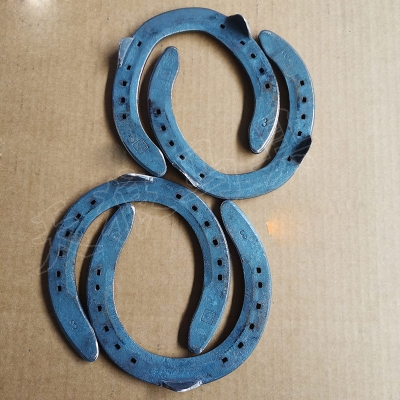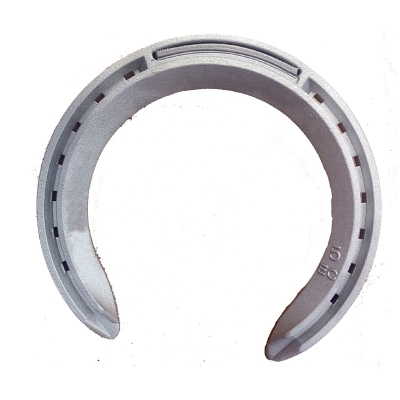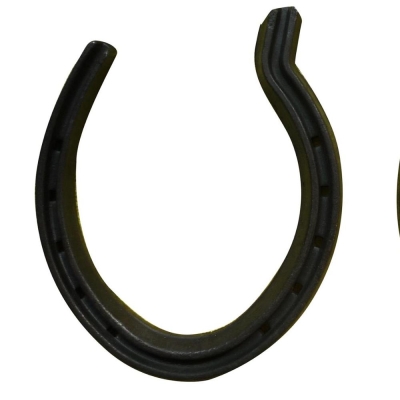

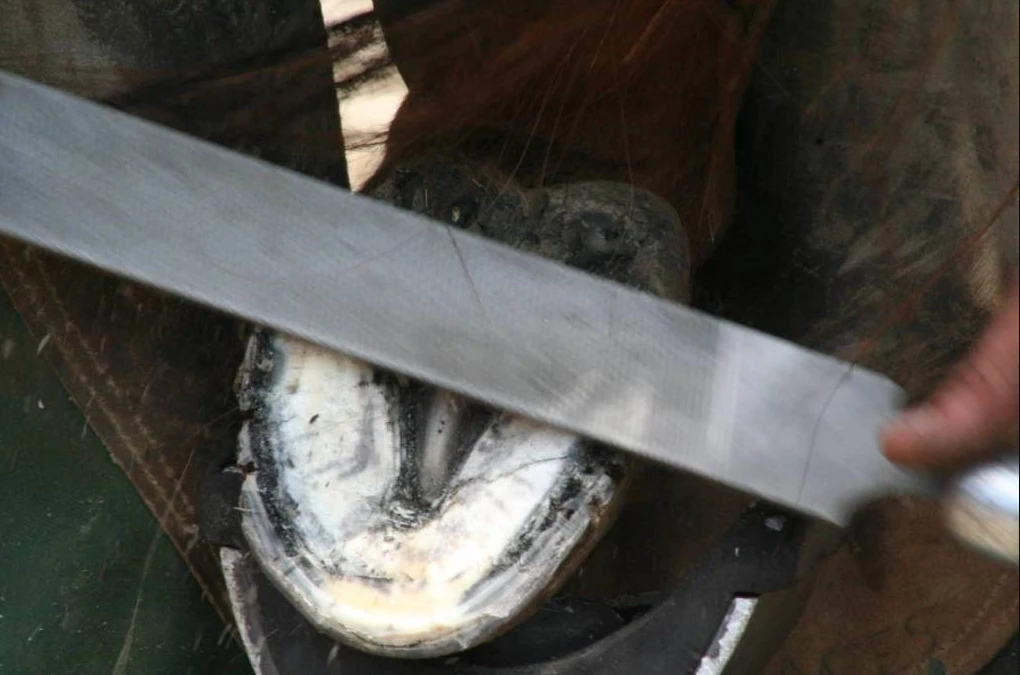
Not all horses need shoes. It depends on their work and health. For example, studies show shoes can add stress to the front hooves. This means some horses might not need shoes. Good hoof care is very important. This includes proper food and a clean, safe place. Many horses do well without shoes if these needs are met. Talk to an expert farrier to decide if your horse needs shoes or not.
Key Takeaways
- Not all horses need shoes. Check your horse's work and hoof health to decide.
- Clean hooves often. Pick your horse's hooves every day to stop infections and spot problems early.
- Good food helps hooves stay strong. Feed a balanced diet with the right nutrients.
- Farrier visits are very important. Trim hooves every 4 to 8 weeks to keep them healthy.
- Let your horse move naturally. Time outside helps hooves grow strong and boosts health.
Do All Horses Need Shoes? Factors That Influence the Decision
Workload and Activity Level
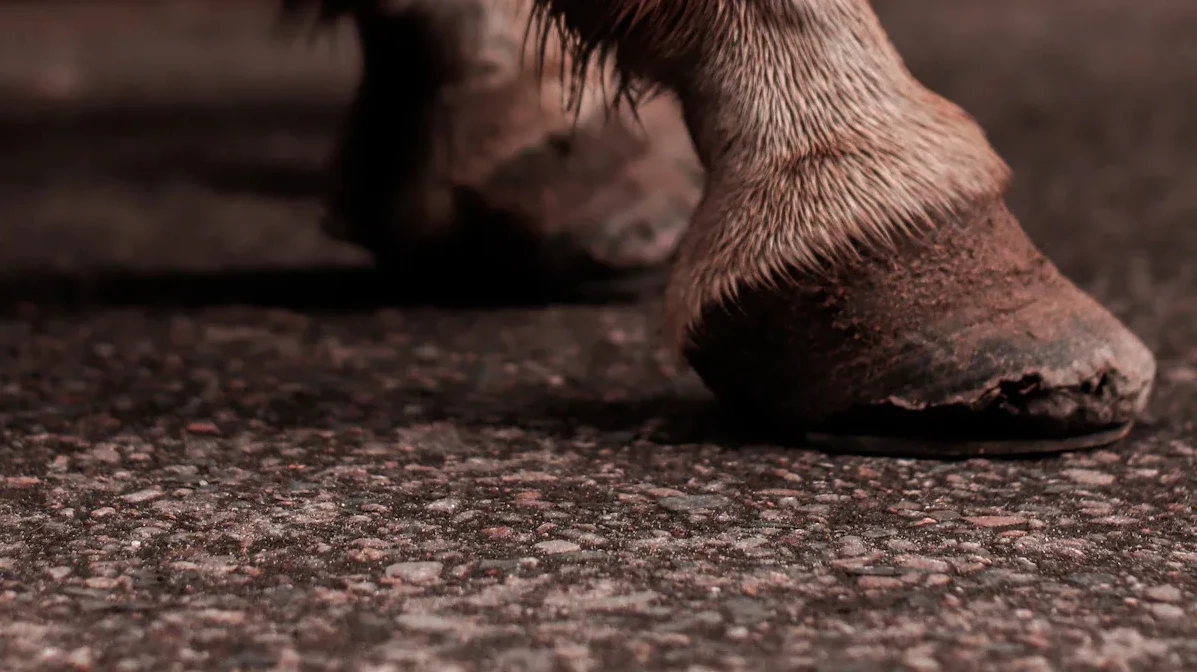
How much work your horse does matters for shoeing. Horses in tough activities like jumping or racing often need shoes. Shoes protect their hooves from wearing down too fast. They also help with grip and support during hard tasks.
Sports can be hard on horses' bodies. Training or competing too much can make them tired. This can lead to weaker muscles and higher injury risks. Watching your horse's workload and caring for their hooves can stop damage.
Horses with lighter jobs, like trail rides or grazing, may not need shoes. Regular trimming and care can keep their hooves healthy. Always think about how hard your horse works before deciding on shoes.
Terrain and Environment
The ground your horse walks on is important too. Horses on soft grass might not need shoes since the ground is gentle. But rocky trails, hard dirt, or pavement can hurt their hooves. Shoes can stop cracks and wear on rough surfaces.
- Horses used to rocky ground often grow stronger hooves.
- Ice or snow can make slipping a problem, so shoes with grip might help.
Different surfaces affect hooves in different ways. Moving from soft grass to rocky paths can be hard without protection. Check the ground your horse walks on to decide if shoes are needed.
Hoof Condition and Health
Your horse's hoof health is very important. Strong, smooth hooves without cracks or infections are ideal. Weak or brittle hooves might need shoes for extra support.
| Observation | Explanation |
|---|---|
| Hoof Slip Time | Slipping time changes by surface, affecting balance and movement. |
| Shoe-Surface Grip | Shoes improve grip, lowering the chance of falls. |
| Injury Prevention | Good shoeing stops injuries from bad hoof health. |
Check your horse's hooves often to catch problems early. Limping or uneven wear can mean discomfort. Ask a farrier for advice on whether shoes can help your horse stay healthy.
Horse Breed and Genetics
Your horse's breed affects if they need shoes. Some breeds have naturally strong hooves, while others need extra support. Studies show hoof strength and going barefoot can be inherited. For example, research on Standardbred and Coldblooded trotters shows racing without shoes is genetic. These breeds often have tough hooves, letting them perform well barefoot. Over time, breeding for traits like speed or endurance has also changed hoof strength.
Breeds like Standardbreds were bred for strong hooves due to racing needs. This shows how genetics differ between breeds. If your horse's breed is known for strong hooves, they might do well barefoot with good care. But breeds with weaker hooves may need shoes to avoid cracks or injuries. Knowing your horse's genetics helps you decide the best hoof care.
Lifestyle and Management Practices
Your horse's daily life affects their hoof health a lot. Horses outside on different ground often grow stronger hooves. Moving naturally helps hooves stay healthy and may reduce the need for shoes. Horses kept in stalls for long hours can have softer hooves, which are easier to damage.
Research shows care routines impact hoof health. For example:
- A New Zealand study found competition horses with special farrier care had fewer hoof problems.
- One-third of riders fixed hoof issues with custom care.
- Horses outside over 12 hours daily had healthier hooves than stall-kept ones.
These studies show turnout time, trimming, and checks are important. Horses with active lives and natural movement may not need shoes. But horses with less turnout or working on tough ground might need protection.
By adjusting your horse's care to their needs, you can keep their hooves strong and healthy. Whether they need shoes depends on how their lifestyle supports hoof health.
Hoof Health Tips for All Horses
Regular Cleaning and Inspection
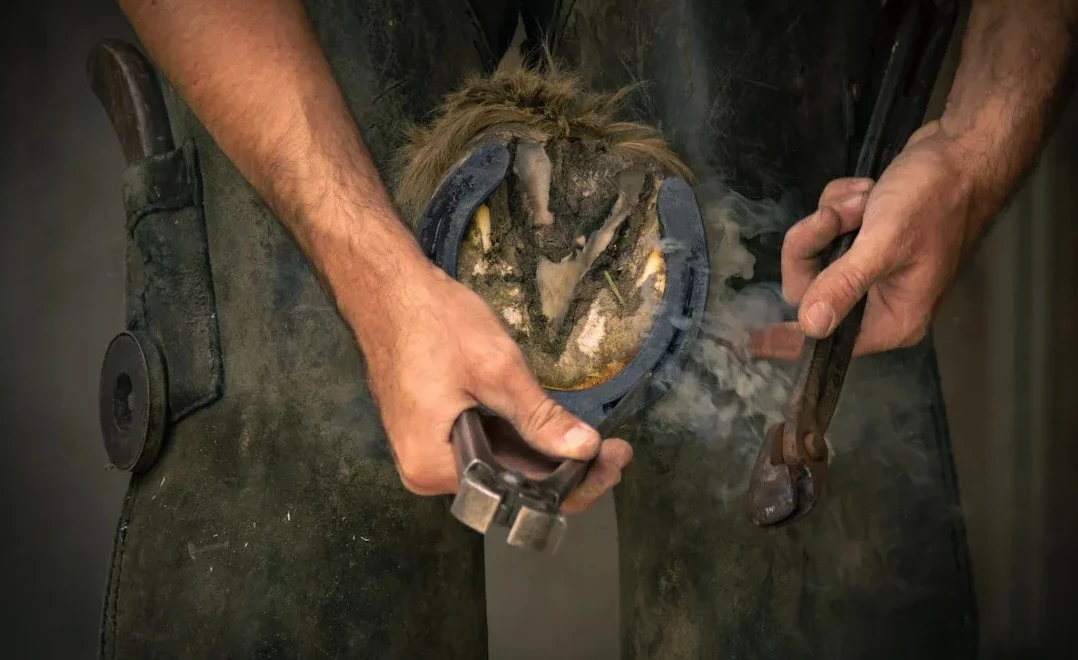
Clean your horse's hooves often to keep them healthy. Use a hoof pick to take out dirt, rocks, and other debris. These can cause pain or infections if left inside. Look closely at the frog and sole, as they can get thrush or other problems. Check for cracks, uneven wear, or injuries. Finding issues early stops them from getting worse.
Tip: Clean your horse's hooves every day, especially after walking on rough or muddy ground. This habit keeps their hooves clean and helps you bond with your horse.
Managing Moisture Levels
Keeping the right moisture in hooves is very important. Too much moisture makes hooves soft and easy to crack or get infected. Too little moisture makes hooves dry and brittle, which can cause breaks.
- Sand bedding helps stop slipping and protects hooves from injury.
- It also makes horses more comfortable when standing or lying down.
Keep stalls clean and dry to avoid too much moisture. This prevents problems like white line disease or skin injuries. Good hygiene and regular hoof care keep hooves strong and healthy.
Providing Proper Nutrition
A good diet is key to healthy hooves. Nutrients like biotin, zinc, and methionine help hooves grow strong. Feed your horse quality hay and add supplements if needed.
Your horse's overall health shows in their hooves. Poor diets can make hooves weak and easy to damage. Good nutrition, along with trimming, can lower the need for shoes. Studies show shoes help with grip and protection but can stress joints if hooves are unbalanced. Focus on keeping hooves healthy instead of just using shoes.
Note: Ask your vet or equine nutritionist to plan the best diet for your horse.
Keeping Up with Farrier Visits
Regular farrier visits are very important for hoof health. A farrier trims hooves, balances them, and adds shoes if needed. These visits stop overgrowth, uneven wear, and injuries.
Tip: Most horses need a farrier every 4 to 8 weeks. This depends on how fast their hooves grow and their activity level.
During visits, the farrier checks for cracks, infections, or other problems. Finding issues like thrush early can save your horse pain and money. Trimming helps hooves grow evenly, reducing stress on legs and joints.
- When your horse might need a farrier sooner:
- Hooves have cracks or chips.
- Hooves wear unevenly or seem unbalanced.
- Limping or signs of pain.
Sticking to a farrier schedule prevents many hoof problems. Talk to your farrier about your horse’s work, environment, and any changes. This teamwork keeps your horse’s hooves healthy.
Supporting Natural Movement
Natural movement is key to strong, healthy hooves. Horses are made to move often on different ground. This strengthens hooves and keeps them naturally worn down.
Turnout time is very important. Let your horse spend lots of time outside in a safe area. Walking on grass, dirt, or gravel toughens hooves and improves blood flow.
Note: Horses kept in stalls too long may get softer hooves. Softer hooves are easier to damage.
You can also try a "paddock paradise" system. This is a track around a pasture that encourages walking. Adding logs or small hills makes it more fun and natural for your horse.
Regular movement keeps hooves strong and healthy. It also helps your horse stay fit and happy.
Not every horse needs shoes. The choice depends on their job, ground, and hoof condition. Experts say balanced hoof care is important for all horses. Trimming hooves correctly helps keep them strong and healthy. If trimming isn’t enough, shoes can give extra support.
- Studies show wild horses also have hoof problems. Both barefoot and shod horses face challenges.
- Bad trimming raises the chance of issues, so farrier visits are crucial.
- Using both barefoot and shod methods can help healing and upkeep.
With proper care for your horse’s needs, they can stay healthy and comfy, with or without shoes.
FAQ
What are the signs that my horse might need shoes?
Look for cracks, chips, or uneven hoof wear. If your horse struggles on hard or rocky ground or shows signs of discomfort, shoes might help. Consult your farrier for advice.
Can all horses go barefoot?
Not every horse can thrive barefoot. Horses with weak hooves, heavy workloads, or those working on rough terrain often need shoes. A farrier can assess your horse's needs.
How often should I clean my horse’s hooves?
Clean your horse’s hooves daily. This prevents debris buildup, infections, and discomfort. Regular cleaning also helps you spot early signs of hoof problems.
Tip: Make hoof cleaning part of your grooming routine to keep your horse comfortable and healthy.
Do horseshoes hurt the horse?
When applied correctly, horseshoes do not hurt. Farriers nail shoes into the hoof wall, which has no nerves. Improper shoeing, however, can cause pain or damage.
How do I choose the right farrier?
Look for a certified farrier with experience. Ask for recommendations from other horse owners. A good farrier listens to your concerns and explains their approach clearly.
Note: Regular communication with your farrier ensures the best care for your horse’s hooves.