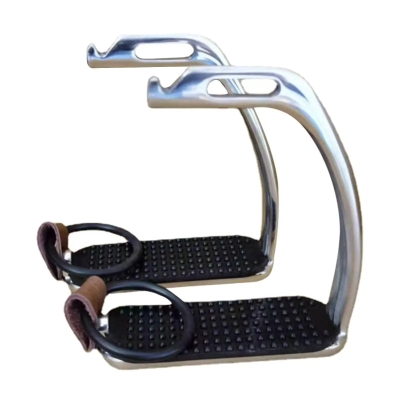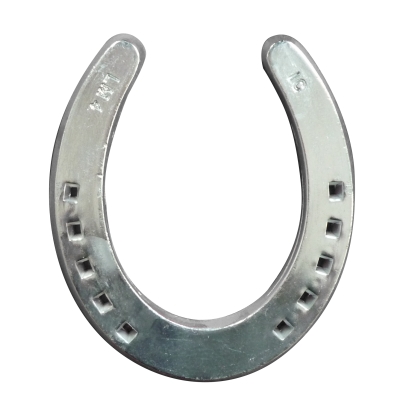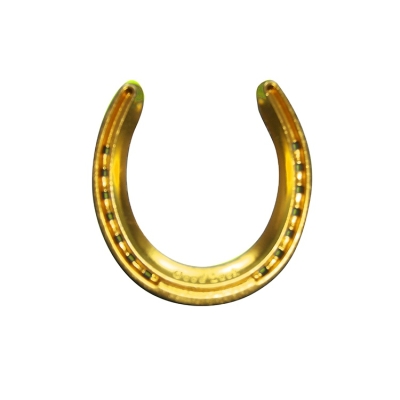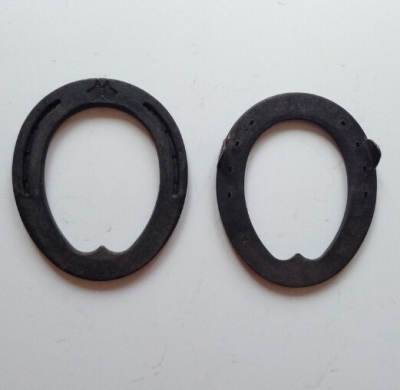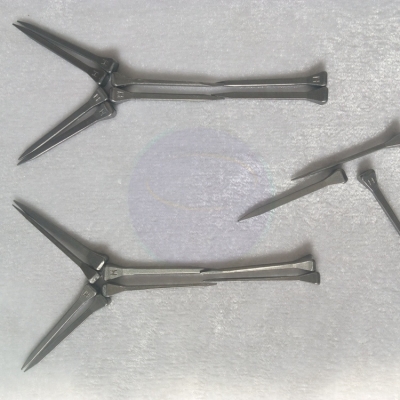

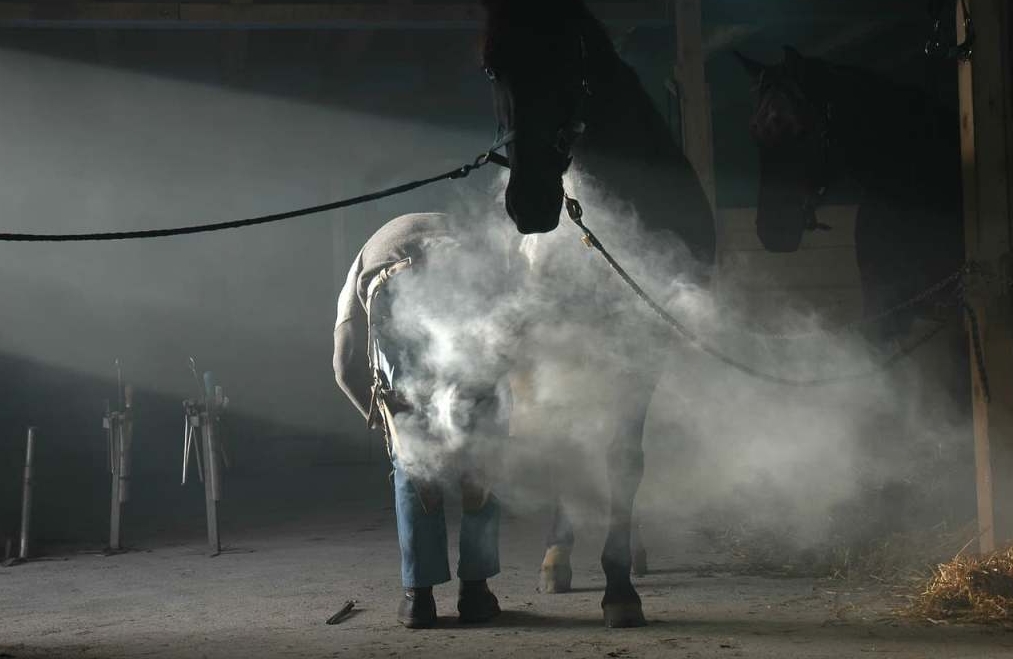
A farrier takes care of horse hooves, keeping them healthy. A blacksmith works with metal, making tools and horse shoes. A horseshoer only fits and attaches shoes to horses. These jobs share some skills but focus on different tasks.
Farriers are important for horse health. They often work with vets, especially for special hoof care. Many also help care for pet horses by trimming hooves. The farrier business is growing fast, with its market expected to hit $1.8 billion by 2033. Understanding AFA Certification differences is crucial, as it shows the tough standards farriers follow, proving their skill in horse care.
Key Takeaways
- Farriers care for hooves by trimming, balancing, and adding shoes. They work with vets to fix hoof issues.
- Blacksmiths are metal experts who make strong horseshoes and tools. Their work helps farriers and horseshoers do their jobs.
- Horseshoers are skilled at putting on and fitting horseshoes. They make sure shoes fit well to improve how horses move.
- AFA certification is important for farriers. It shows their skills, helps them get jobs, and supports learning about hoof care.
- Farriers, blacksmiths, and horseshoers work together for better horse care. Each job helps keep horses healthy and performing well.
Definitions and Roles
Farrier: The Hoof Care Specialist
A farrier takes care of horse hooves to keep them healthy. They are like a mix of a craftsman and a horse doctor. Their main tasks include trimming hooves, balancing them, and putting on horseshoes. Farriers often work with vets to fix hoof problems like abscesses or laminitis.
Farrier training is tough and takes a lot of time. Some courses, like Horseshoeing III, need up to 540 hours of practice. This training helps farriers handle tricky hoof care situations.
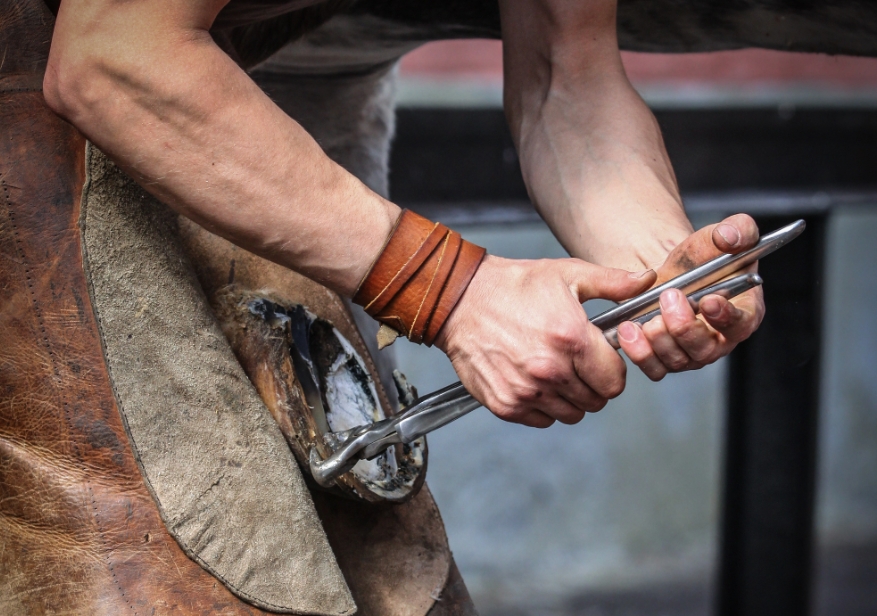
Farriers also help improve hoof care methods. For example, using curved hoof knives has gone up by 28%. This tool makes trimming safer and more accurate. Better tools have reduced trimming injuries by 19%.
| Evidence Type | Statistic | Impact |
|---|---|---|
| Adoption Rate | 28% increase in curved hoof knife use | Better hoof care practices |
| Injury Reduction | 19% decrease in trimming injuries | Safer and more effective hoof care |
Blacksmith: The Metalworking Expert
A blacksmith works with metal to make tools and equipment. In the past, blacksmiths made horseshoes, but now they also create tools, decorations, and building parts. If you’ve seen someone hammering glowing metal, that’s a blacksmith at work.
Blacksmiths don’t focus on horse care like farriers do. But they make strong, high-quality horseshoes that farriers and horseshoers use. Blacksmiths use tools like anvils, hammers, and forges to shape metal.
Horseshoer: The Shoeing Practitioner
A horseshoer’s job is to attach horseshoes to hooves. They don’t do full hoof care like farriers, but they are very good at shoeing. Horseshoers make sure the shoe fits well and matches how the horse moves.
Good shoeing can help a horse perform better. Fixing uneven legs with shoe adjustments can lower injuries and improve movement. Horseshoers often work with farriers and therapists to check and improve the horse’s gait.
- Uneven legs can cause injuries and poor performance.
- Horseshoers adjust shoes to help horses move better.
By learning about these jobs, you can see how each one helps horses in different ways.
Overlapping Skills and Differences
Farriers, blacksmiths, and horseshoers have some similar skills. However, their special abilities make them different. Knowing these similarities and differences helps you see their unique roles in horse care.
Shared Skills
All three jobs need knowledge of tools and materials. They all use hammers, anvils, and files to shape or adjust metal. Being precise and careful is very important. Whether making or attaching a horseshoe, accuracy keeps the horse safe and comfortable.
Problem-solving is another skill they all share. Each must figure out what the horse needs and choose the best solution. For instance, a farrier might fix a shoe to help a horse walk better. A blacksmith might change the shoe’s design to make it last longer.
Tip: Want to work in one of these fields? Start by learning basic metalwork and hoof anatomy. These skills are useful for all three jobs.
Main Differences
Even though they use similar tools, their jobs are different. Farriers focus on hoof health. They trim hooves, balance them, and fix problems like cracks or infections. Blacksmiths work with metal. They make horseshoes and tools but don’t care for hooves. Horseshoers only attach shoes. They make sure the shoe fits well and helps the horse move properly.
| Profession | Main Job | Important Skills |
|---|---|---|
| Farrier | Hoof care and shoeing | Trimming, medical knowledge |
| Blacksmith | Metalwork | Forging, shaping metal |
| Horseshoer | Attaching shoes | Fitting and attaching shoes |
By learning about these jobs, you can see how they work together. Each one has special skills to help horses stay healthy and perform their best.
AFA Certification Differences
Overview of the American Farrier's Association (AFA)
The American Farrier's Association (AFA) helps farriers improve their skills. It sets high standards for hoof care and offers education and certifications. Members can access resources to learn new techniques and stay updated. The AFA also connects farriers with others who care about horses.
Getting an AFA certification shows you are skilled and knowledgeable. It proves you meet tough standards in hoof care and shoeing. This certification makes you more respected and helps you stand out. Whether you’re new or experienced, the AFA helps you grow in your career.
Levels of AFA Certification
The AFA has different certification levels to test your skills. These levels show how much you know and how experienced you are. Here are the levels:
| Certification Level | Description |
|---|---|
| Certified Farrier (AFA CF) | At least one year of experience and good hoof care knowledge. |
| Certified Tradesman Farrier (AFA CTF) | Two years of experience and passing the CF exam. |
| Certified Journeyman Farrier (AFA CJF) | Two years of experience, CF certification, and advanced skills. |
| Therapeutic Endorsement (CJF TE) | Five years of experience in therapeutic shoeing and hoof health. |
| Educator Endorsement (EE) | For farriers who teach in schools or clinics. |
Each level builds on the one before it. For example, the Certified Farrier (AFA CF) is for beginners. The Certified Journeyman Farrier (AFA CJF) shows advanced skills. If you focus on therapeutic shoeing, the Therapeutic Endorsement (CJF TE) highlights your expertise.
Did you know? Only 18% of people pass AFA certification. This shows how high the standards are and why it’s a big achievement.
Certification Requirements and Process
To get an AFA certification, you must meet certain requirements. Each level has its own rules, but here are the general steps:
- Experience: You need hands-on practice in hoof care and shoeing. For example, the AFA CF level needs one year of experience, while the CJF level needs two years.
- Written Exam: This test checks your knowledge of hoof anatomy, shoeing, and horse health.
- Practical Exam: You show your skills by trimming, shoeing, and solving problems. This test proves you can handle real-life situations.
- Continuing Education: To keep your certification, you must keep learning. The AFA offers workshops and events to help you stay updated.
The process is hard, but it prepares you to give excellent hoof care. Getting certified shows you are serious about your job and helping horses stay healthy.
Why AFA Certification Matters for Farriers
Getting an AFA certification is a big achievement for farriers. It shows you are skilled and dedicated to giving great hoof care. This certification proves your abilities and helps you stand out. Here’s why it’s important:
1. Proves Professional Skills
Having an AFA certification shows you meet high standards. Horse owners trust certified farriers to handle tough hoof care problems. It also shows you stay updated on new tools and methods.
Note: Certified farriers are often chosen for horses with special hoof needs.
2. Boosts Job Options
An AFA certification can help you get better jobs and earn more money. Stables and clinics often hire certified farriers first. It also helps you connect with other experts, leading to more learning and teamwork.
3. Sharpens Your Abilities
The certification process helps you improve your skills. You’ll learn more about hoof anatomy, shoeing, and solving problems. The tests make sure you’re ready for real-life challenges.
4. Encourages Ongoing Learning
An AFA certification isn’t just a one-time thing. You need to keep learning to maintain it. This helps you stay updated on new hoof care methods. By learning more, you give better care and stay competitive.
5. Shows AFA Certification Strengths
The AFA certification is unique because it’s very thorough. It tests both your knowledge and practical skills. This makes sure you’re ready for any situation. Knowing these differences shows why this certification is valuable.
Tip: Thinking about becoming a farrier? Start by learning about the AFA certification levels. Each level helps you grow step by step.
6. Builds Client Trust
Horse owners want the best care for their horses. With an AFA certification, they know their horses are in good hands. This trust can lead to loyal clients and great recommendations.
Key Differences Between Farriers, Blacksmiths, and Horseshoers
Skills and Training Requirements
Each job needs special skills and training. A farrier must know about hoof anatomy and how horses move. They also learn to fix hoof health problems. Farrier training usually lasts about 12 weeks. But only 3% of this time covers anatomy and biomechanics. This shows the need for extra learning in these areas. Courses like the Liberated Horsemanship hoof trimming program go deeper. They include 40 hours of lessons, 24 hours of fieldwork, and hands-on practice over a year or more.
Blacksmiths focus on working with metal. They learn to shape, forge, and strengthen metal. Training often includes apprenticeships or special blacksmithing classes. These teach how to make strong tools, horseshoes, and decorative items.
Horseshoers need less training than farriers. Their main job is fitting and attaching horseshoes. They don’t study hoof anatomy deeply but must know how to match shoes to a horse’s movement.
Tip: Thinking about one of these careers? Start with basic metalworking or hoof care courses. These skills can help you choose the right path.
Tools and Techniques Used
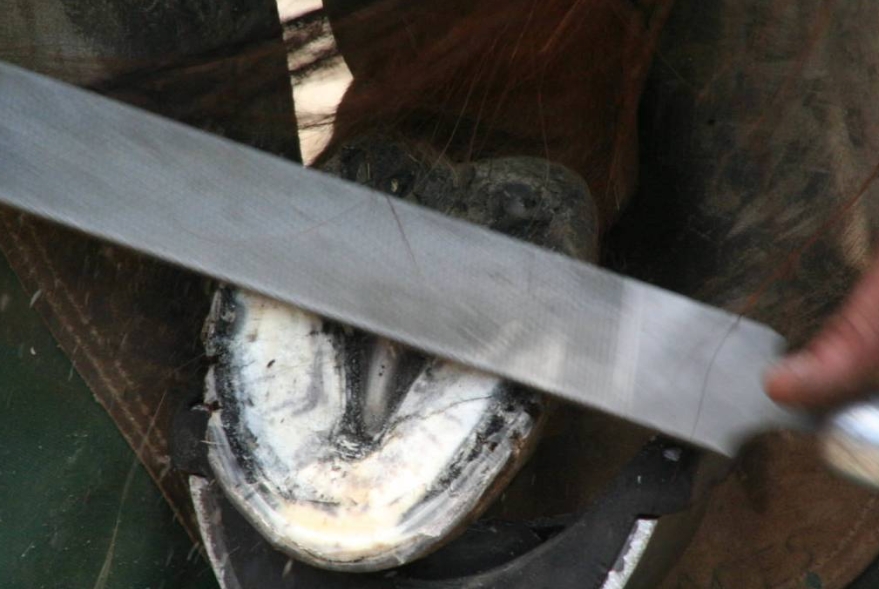
The tools and methods depend on the job. Farriers use tools like hoof knives, rasps, and nippers. These help trim and balance hooves. They also use hammers and anvils to shape horseshoes. Advanced methods, like hot shoeing, involve heating shoes to fit perfectly.
Blacksmiths use more tools. They work with forges, tongs, and different hammers to shape metal. Making strong items like horseshoes requires precision. Techniques like welding and tempering make the metal durable.
Horseshoers have simpler tools. They use rasps, hammers, and clinchers to attach shoes securely. Their focus is on making sure the shoe fits well and supports the horse’s movement. Unlike farriers, they don’t trim or balance hooves.
| Profession | Key Tools | Techniques Used |
|---|---|---|
| Farrier | Hoof knives, rasps, anvils | Trimming, balancing, hot shoeing |
| Blacksmith | Forges, tongs, hammers | Forging, welding, tempering |
| Horseshoer | Rasps, hammers, clinchers | Fitting and attaching shoes |
Responsibilities in Equine Care
Each role has different duties in horse care. Farriers are key to keeping hooves healthy. They trim hooves, balance them, and fix problems like cracks or infections. They often work with vets to handle tough hoof issues.
Blacksmiths help indirectly with horse care. They make strong horseshoes and tools. These items help farriers and horseshoers do their jobs better. While blacksmiths don’t work with horses directly, their work affects horse health.
Horseshoers focus on attaching shoes correctly. They make sure the shoe fits and matches the horse’s movement. This improves performance and lowers injury risks. Horseshoers may also work with farriers and therapists to improve how a horse moves.
Note: Each job is important for horse care. Knowing these roles shows how they work together to keep horses healthy.
Specialization and Expertise in Practice
Each job—farrier, blacksmith, and horseshoer—has its own focus. Knowing these specialties shows how they help horses in different ways.
Farrier: Mixing Science with Skill
Farriers are experts in hoof care. They know a lot about hoof anatomy, how horses move, and their behavior. Farriers fix tough hoof problems like cracks, infections, or uneven hooves. They also make and fit horseshoes to match each horse’s needs.
Farriers use advanced methods like hot shoeing, where they heat the shoe to fit the hoof perfectly. This makes the horse more comfortable and improves how it moves. Farriers also learn new tools and techniques, like therapeutic shoeing, to help horses with health issues.
Did you know? Farriers help stop lameness, a common problem in horses.
Blacksmith: Expert in Metalwork
Blacksmiths are skilled at shaping metal to make strong tools. They don’t work directly with horses but create high-quality horseshoes and tools for farriers and horseshoers. A good blacksmith can design special horseshoes for activities like racing or jumping.
Blacksmiths often try new metals and methods to make their products last longer. For example, they use tempering to make horseshoes tougher. Their creativity ensures farriers and horseshoers have the best tools for their jobs.
Tip: Want to learn blacksmithing? Start with basic forging and shaping skills.
Horseshoer: Focused on Shoeing
Horseshoers are experts in attaching horseshoes. They make sure the shoes fit well so the horse can move easily. Unlike farriers, they don’t trim hooves or handle medical issues. They focus only on shoeing.
Horseshoers understand how a horse’s walk and body shape affect movement. By adjusting the shoe, they can fix small problems and help the horse perform better. Horseshoers often work with farriers and vets to get the best results.
How Specialization Helps Horses
Each job adds something important to horse care. Farriers keep hooves healthy and balanced. Blacksmiths make the tools and shoes needed for hoof care. Horseshoers focus on fitting shoes to improve movement and prevent injuries.
| Profession | Specialization | Key Contribution to Equine Care |
|---|---|---|
| Farrier | Hoof health and therapeutic shoeing | Prevents lameness and improves hoof health |
| Blacksmith | Forging tools and custom horseshoes | Supplies durable and effective equipment |
| Horseshoer | Fitting and attaching horseshoes | Enhances movement and reduces injuries |
Note: These jobs sometimes overlap, but each has unique skills. Together, they help horses stay healthy, comfortable, and ready to perform.
By learning about these specialties, you can see how each role is important. Whether you own horses or want to work in these fields, understanding their value helps you make better choices.
Equine Specialization and Collaborative Care
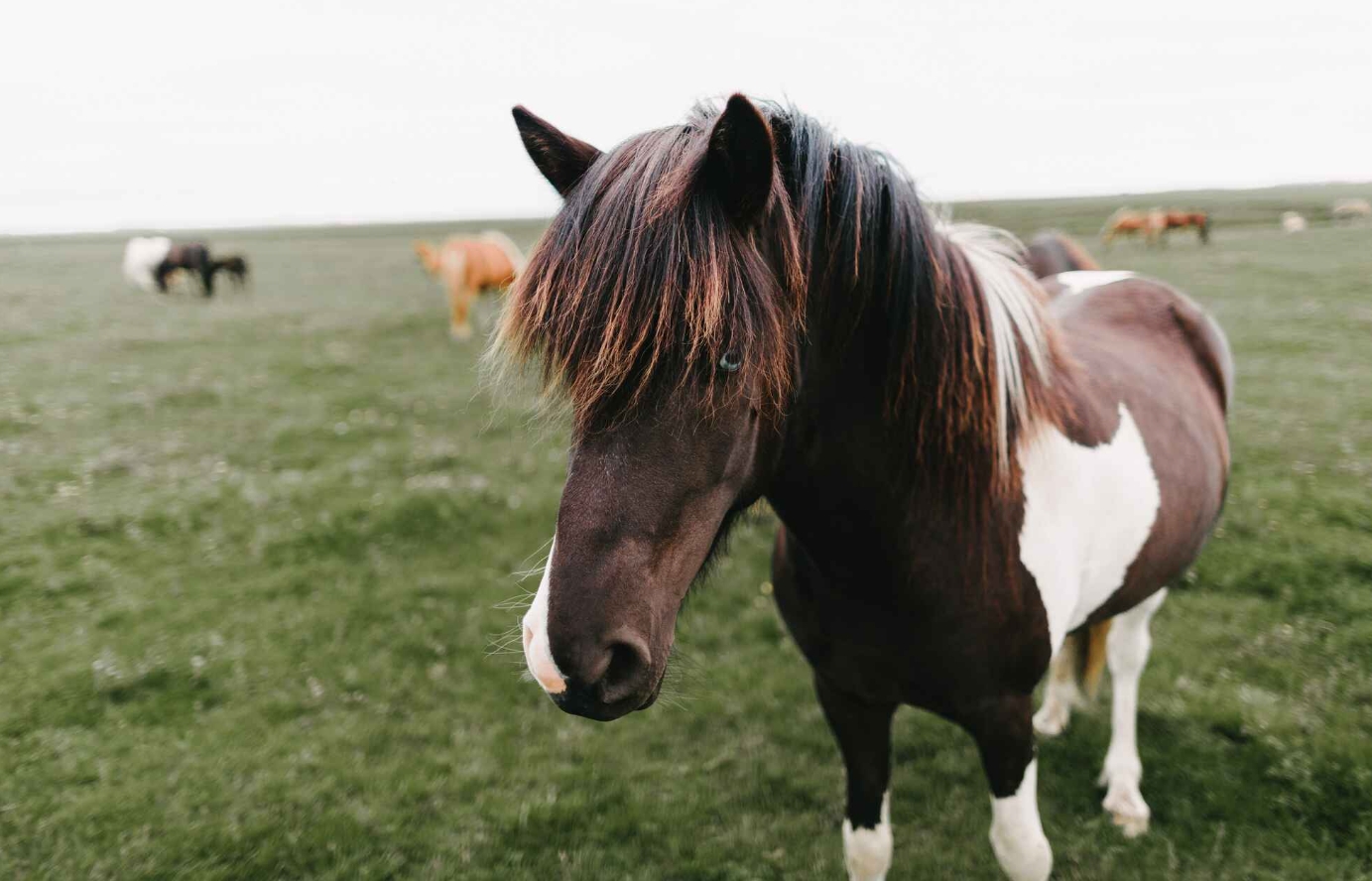
The Farrier’s Role in Hoof Health and Maintenance
Farriers are key to keeping horse hooves healthy. They trim, balance, and shoe hooves to help horses move better. Proper hoof angles improve blood flow, helping muscles grow and heal faster.
Francisco Benardoni, a horse owner, shared that using FormaHoof improved hoof angles. This boosted blood flow, sped up recovery, and helped their horse build muscle faster.
Farriers also use advanced tools like FormaHoof, a 3D hoof protection system. This method has helped three times more horses each year. By fixing hoof problems early, farriers stop lameness and improve how horses perform.
The Blacksmith’s Contribution to Custom Equipment
Blacksmiths help by making custom horseshoes and tools. Their metalwork skills ensure farriers and horseshoers have strong, reliable equipment. For example, blacksmiths create special shoes for racing or jumping, which need unique designs.
Blacksmiths also test new materials and methods to make better tools. Stronger tools improve hoof care and help horses stay healthy. Their work supports farriers and horseshoers in giving the best care possible.
The Horseshoer’s Focus on Shoeing Efficiency
Horseshoers are experts at attaching shoes that fit perfectly. Their work helps horses move better and lowers injury risks. They study how horses move to adjust shoes and reduce pressure on certain areas.
- Corrective shoeing spreads out pressure and prevents injuries.
- Good shoeing improves how horses walk and feel.
Horseshoers, farriers, and blacksmiths often work together for better care. During COVID-19, they used a "traffic light system" to decide hoof care priorities. This teamwork helped horse owners feel confident and improved care decisions.
How These Roles Work Together in Equine Care
Farriers, blacksmiths, and horseshoers each have special skills. When they work as a team, horses get the best care for health, movement, and comfort. Knowing how these jobs connect shows their combined importance to a horse’s well-being.
1. Teamwork for Healthy Hooves
Farriers keep hooves healthy by trimming, balancing, and fixing problems like cracks. Blacksmiths make strong, custom horseshoes to support this care. Horseshoers attach the shoes, making sure they fit well and help the horse move better. Together, they keep hooves safe and working properly.
Example: A farrier might notice uneven hooves. A blacksmith can make a special shoe to fix it. The horseshoer attaches the shoe to match the horse’s walk.
2. Helping Horses Perform and Heal
Each job helps horses perform better. Farriers use special shoeing to fix health problems. Blacksmiths design shoes for activities like jumping or racing. Horseshoers adjust these shoes to improve movement and reduce stress. This teamwork helps horses recover faster and perform their best.
3. Solving Problems Together
These experts often team up to fix tough hoof issues. They may work with vets to treat lameness. By sharing ideas, they find solutions that help the horse.
| Role | How They Help Together |
|---|---|
| Farrier | Finds and fixes hoof problems |
| Blacksmith | Makes custom tools and horseshoes |
| Horseshoer | Fits and attaches shoes correctly |
Tip: If you own a horse, hire all three experts. Their teamwork can improve your horse’s health and movement.
By working together, farriers, blacksmiths, and horseshoers give complete care. Their teamwork keeps horses healthy, comfortable, and ready to succeed in any activity.
Learning about farriers, blacksmiths, and horseshoers shows their importance. Farriers care for hooves, blacksmiths make tools, and horseshoers fit shoes. Getting an AFA certification improves a farrier’s career. Certified farriers can earn more, with some making $116,486 yearly. These certifications prove advanced skills and attract employers. Horse care depends on teamwork, combining skills from all three jobs. By understanding these roles, you can help horses stay healthy and perform well while supporting an important industry.
FAQ
1. What is the main difference between a farrier and a horseshoer?
A farrier takes care of hooves by trimming, balancing, and shoeing. A horseshoer only attaches horseshoes to hooves. Farriers often work with vets to fix hoof problems, while horseshoers focus on making sure shoes fit well.
2. Why is AFA certification important for farriers?
An AFA certification shows you are skilled in hoof care and shoeing. It helps horse owners trust you, gives better job chances, and keeps you learning new methods. Certified farriers earn more and handle harder hoof care tasks.
3. Can a blacksmith work as a farrier?
A blacksmith can become a farrier with training in hoof care. Blacksmiths mainly work with metal, while farriers focus on horse hooves. Both jobs need different skills and knowledge.
4. How long does it take to become a certified farrier?
The time depends on the level of certification. For example, the AFA Certified Farrier (CF) needs one year of experience. Higher levels, like the Certified Journeyman Farrier (CJF), need two years or more and passing tests.
5. Do farriers, blacksmiths, and horseshoers work together?
Yes, they often team up to care for horses. Farriers keep hooves healthy, blacksmiths make horseshoes, and horseshoers attach them properly. Together, they improve a horse’s health, comfort, and movement.
Tip: Own a horse? Hire all three experts for the best hoof care.