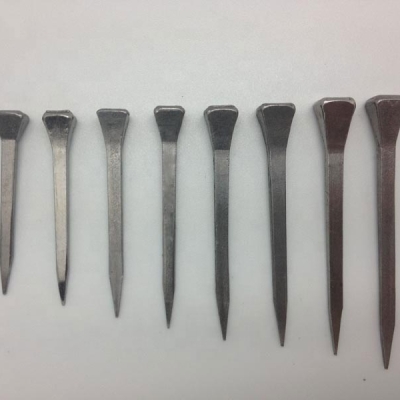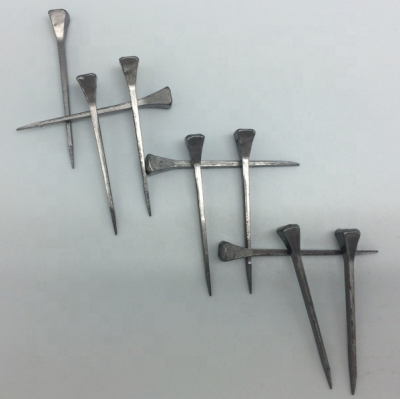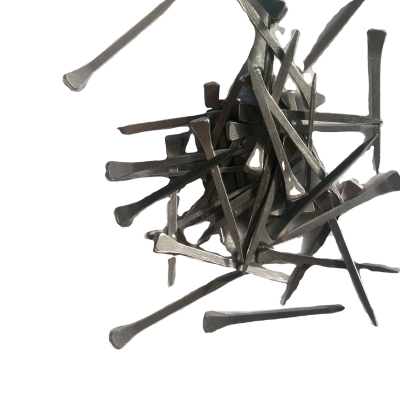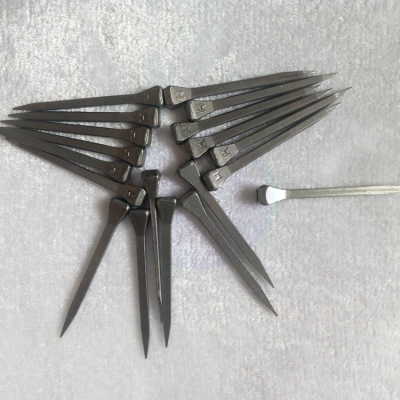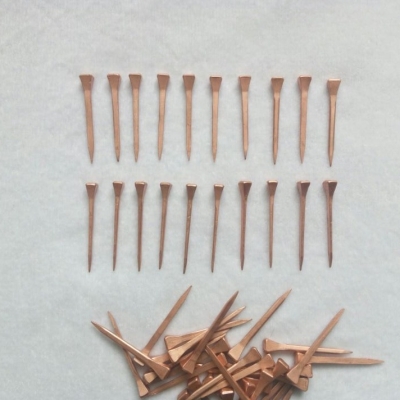

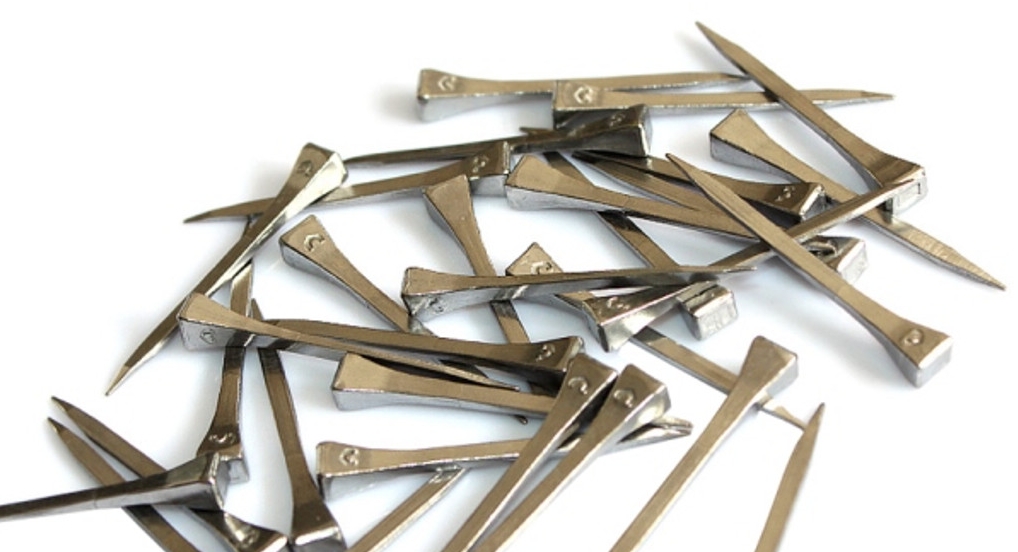
Choosing the best horseshoe nail material is very important. It affects your horse's hoof health and how well they perform. You should think about durability, cost, and rust resistance. Steel nails are strong but can rust easily. Aluminum nails are light but wear out fast. Galvanized nails resist rust but may not last long. Copper alloy horseshoe nails are special. They are light, grip well, and resist rust. These copper alloy horseshoe nails last longer and keep your horse's hooves safe.
Key Takeaways
- Pick the best horseshoe nail material for your horse's work. Racing horses do well with light aluminum or copper nails.
- Copper nails fight rust and germs, great for wet places. They help keep hooves clean and healthy.
- Galvanized nails are cheap and protect against rust, but check them often to make sure they still work well.
- Steel nails are strong but rust quickly, so they aren't great for wet areas. Think about how long they last and how to care for them.
- Always ask your farrier for advice on the best nails for your horse and its environment.
Overview of Horseshoe Nail Materials
Steel Horseshoe Nails
Steel nails are strong and last a long time. They work well for horses carrying heavy loads or in tough jobs. These nails can handle pressure and are dependable for long use. But they have a big problem: rust. When wet, steel nails can rust and weaken. This might hurt their grip and harm the hoof.
Studies compared steel nails to copper-coated ones for hoof health. Hooves with steel nails had more damage around nail holes. Using a scoring system, steel nails scored lower than copper ones. Steel nails are tough but don’t fight bacteria like copper nails. Copper nails help stop bacteria in the nail hole area.
Aluminum Horseshoe Nails
Aluminum nails are light and great for speed. They are perfect for racing horses because they reduce drag. Lighter nails mean less stress on the hoof during fast activities. Many racing rules prefer aluminum nails for these reasons.
However, aluminum nails don’t last as long as steel ones. They wear out quickly in rough conditions. Wet weather or acidic soil can make them break down faster. For horses not racing, stronger nail materials might be better.
Copper Alloy Horseshoe Nails
Copper alloy nails are strong and have special benefits. They don’t rust, so they’re good for wet places. Their light weight makes hooves more comfortable and helps horses perform better. These nails also grip well, even on slippery surfaces.
A big advantage is their ability to fight bacteria. Copper alloy nails stop bacteria from growing in nail holes. This helps keep hooves healthier. Studies show copper nails cause less damage to nail holes than steel nails. While their bacteria-fighting power is limited, they still help protect hooves.
Galvanized Horseshoe Nails
Galvanized nails are a common pick for horse owners. If you need nails that fight rust, these are a good choice. The steel nails are coated with zinc during galvanization. This zinc layer helps stop rust, especially in wet areas. They work well for horses in damp places or muddy trails.
A big plus of galvanized nails is their low cost. They are cheaper than copper alloy nails, making them budget-friendly. You get decent rust protection without spending too much. They are also easy to find in tack shops or online stores.
But galvanized nails have some drawbacks. The zinc coating can wear off over time. Once it’s gone, the steel underneath can rust. This means they may not last as long as copper alloy nails. Also, the coating might chip when you hammer them, reducing their rust resistance.
Tip: Check galvanized nails often for wear and tear. Replace them when needed to keep your horse’s hooves healthy.
Galvanized nails are strong and good for daily use. They can handle light to medium work. But for heavy-duty tasks or competitions, stronger nails like steel or copper alloy might be better.
These nails balance cost and performance well. They’re great for casual riders or horses in mild conditions. If you want affordable rust resistance, galvanized nails are a smart option.
Copper Alloy Horseshoe Nails: Features and Benefits
Rust Resistance and Longevity
Copper alloy horseshoe nails are great at resisting rust. Unlike steel nails, they don’t corrode in wet places. This makes them ideal for horses in muddy or damp areas. You won’t need to replace them often, saving time and money.
These nails are also very durable and last longer. They stay strong even after long use, making them dependable. Studies show copper-alloy nails resist wear and help hoof health. Their special properties fight bacteria, reducing the chance of infections.
Did you know? Copper kills bacteria by breaking their cell walls. This helps keep your horse’s hooves healthier than steel nails.
Lightweight Design for Improved Performance
Copper alloy nails are light and easy on hooves. This might seem small, but it helps your horse a lot. Lighter nails mean less stress during activities like racing or jumping. Your horse will feel better and move more freely.
For competing horses, lighter hooves improve speed and agility. Copper alloy nails are strong yet light, giving support without slowing them down. Whether racing or climbing tough trails, these nails help your horse perform well.
Non-Slip Properties for Better Grip
Slippery ground can be risky for horses, but copper alloy nails grip well. Their design keeps them steady on wet or uneven surfaces. This lowers the chance of slips and injuries, keeping your horse safe.
This feature is great for horses working in tough conditions. Muddy paths or slick floors are less of a problem with these nails. Your horse will feel more secure, making rides safer and smoother.
Pro Tip: If your horse often slips, try copper alloy nails. Their grip can improve safety and performance a lot.
Antimicrobial Properties for Hoof Health
Did you know copper alloy horseshoe nails can help keep hooves healthy? These nails are not just strong and rust-proof—they fight germs too. They stop harmful bacteria and fungi that cause hoof problems. Let’s see how this works and why it helps your horse.
For centuries, people knew copper kills bacteria and fungi. In horseshoe nails, it makes it hard for germs to grow. Studies show copper can kill up to 99.9% of bacteria. This is great for horses in wet or muddy places. It helps prevent infections like thrush or white line disease.
Here’s something cool: using copper alloy nails with steel nails creates a reaction. This reaction makes copper salts, which stop germs even more. It’s like giving hooves extra protection from infections.
Check out these study results to see how well copper nails work:
| Study Findings | Description |
|---|---|
| Reduction of Infected White Lines | 80.8% of hooves looked better by the study’s end. |
| Median White Line Involvement | Dropped from 40-79% to 10-39% over three phases. |
| Overall Improvement | Big improvements in hoof health were noticed. |
These studies show copper alloy nails really help hoof health. They lower infections, keeping your horse comfy and active.
Tip: If your horse gets hoof infections often, try copper alloy nails. They fight rust and make hooves healthier.
Adding copper alloy nails to your horse’s care is easy and helpful. Whether your horse races or trails, these nails offer strength, rust resistance, and germ-fighting power.
Comparison of Materials
Durability: Which Material Lasts the Longest?
Not all horseshoe nails are equally strong. Steel nails are very tough and great for hard work. They last long and handle heavy loads well. But they can rust, which weakens them over time.
Aluminum nails are light but not as strong. They wear out faster, especially in wet or rough areas. For racing horses, their lightness is helpful, but they don’t last as long as other types.
Copper alloy nails are both strong and long-lasting. They resist rust and stay durable over time. A 2016 study by Dr. Sue Kempson and Stephen Mitchell showed Liberty Cu nails improved hoof health and lasted longer than steel nails. While not all materials were compared, copper alloy nails proved reliable for long-term use.
Galvanized nails are in the middle for durability. Their zinc coating protects against rust, but once it wears off, the steel underneath can rust. They’re good for light use but may not last in tough conditions.
Cost: Balancing Price and Value
Price matters when picking horseshoe nails. Steel nails are cheap and easy to find. But since they rust, you might need to replace them often, which adds up.
Aluminum nails cost more than steel but are lightweight. For racing horses, the extra cost might be worth it. However, their short lifespan could make them less cost-effective over time.
Copper alloy nails are the most expensive. They cost more upfront but save money in the long run. Their rust resistance and hoof health benefits can reduce vet bills. If you want long-term value, they’re a smart choice.
Galvanized nails are budget-friendly. They resist rust better than steel and cost less than copper alloy nails. But if the zinc coating wears off, they may not last as long. For casual riders, they balance price and performance well.
Rust Resistance: Protecting Against Corrosion
Rust is a big problem for horseshoe nails in wet places. Steel nails rust easily, losing strength and possibly harming the hoof. They’re not the best for damp conditions.
Aluminum nails don’t rust but can corrode in acidic or wet areas. This makes them less ideal for tough environments.
Copper alloy nails are excellent at resisting rust. They don’t corrode, even in muddy or wet places. This makes them perfect for horses in damp climates. Their rust resistance also helps them last longer.
Galvanized nails resist rust because of their zinc coating. But if the coating chips or wears off, the steel underneath can rust. Regular checks and replacements are needed to keep them effective.
Tip: For wet climates, choose copper alloy nails. They resist rust and last longer, keeping your horse’s hooves safe.
Weight and Handling: Impact on Performance
When it comes to horseshoe nails, weight plays a bigger role than you might think. The weight of the nails directly affects how your horse moves, performs, and even feels. Let’s break it down so you can see why this matters.
Why Weight Matters for Horses
Imagine carrying a heavy backpack all day. It slows you down, tires you out, and makes every step harder. The same thing happens to your horse when their hooves carry extra weight. Heavier nails, like steel ones, can add unnecessary strain. This might not seem like a big deal at first, but over time, it can affect your horse’s comfort and performance.
Lighter nails, like aluminum or copper alloy, reduce this strain. They make it easier for your horse to move freely, whether they’re racing, jumping, or just trotting along a trail. A lighter hoof means less energy spent lifting and moving, which can improve speed and agility.
Tip: If your horse competes in events like racing or show jumping, lightweight nails can give them an edge. They’ll feel less burdened and perform better.
Handling: The Ease of Use for Farriers
Weight doesn’t just impact your horse—it also affects the farrier who fits the nails. Heavier nails can be harder to handle and drive into the hoof. Steel nails, for example, require more effort to work with because of their density. This can make the shoeing process longer and more tiring.
On the other hand, lighter nails like aluminum or copper alloy are easier to handle. They’re less bulky and simpler to drive into the hoof wall. This makes the farrier’s job quicker and smoother, which is always a plus for both you and your horse.
Comparing Materials: Weight and Handling
Here’s a quick look at how different materials stack up in terms of weight and ease of handling:
| Material | Weight (Light to Heavy) | Ease of Handling (Easy to Hard) |
|---|---|---|
| Copper Alloy | Light | Easy |
| Aluminum | Very Light | Very Easy |
| Galvanized Steel | Medium | Moderate |
| Steel | Heavy | Hard |
As you can see, copper alloy and aluminum nails are the lightest and easiest to handle. Steel nails, while durable, are heavier and require more effort to work with.
Finding the Right Balance
So, how do you choose the right weight for your horse? It depends on their activity level and needs. If your horse is a casual trail rider, the weight of the nails might not matter as much. But if they’re a performance horse, every ounce counts. Lightweight nails can make a noticeable difference in their speed, agility, and overall comfort.
Pro Tip: Talk to your farrier about your horse’s activities. They can recommend the best nail material to match your horse’s needs.
In the end, the right horseshoe nail isn’t just about durability or rust resistance. It’s also about how the weight and handling affect your horse’s performance and well-being. By choosing a material like copper alloy or aluminum, you’re giving your horse the best chance to move comfortably and perform at their best.
Lightweight and Non-Slip Properties of Copper Alloy Horseshoe Nails
Why Lightweight Nails Are Important for Horses
Have you thought about the weight on your horse’s hooves? Even small amounts matter during activities like racing or jumping. Heavy nails, such as steel ones, can make moving harder. This extra weight can slow your horse down and cause discomfort.
Copper Alloy Horseshoe Nails are a great solution. They are light, so your horse uses less energy to move. This helps improve their speed, agility, and comfort. Whether competing or on a casual ride, lighter nails make a big difference.
Quick Tip: If your horse seems tired after rides, try lightweight nails. They might help your horse feel better.
Why Non-Slip Features Keep Horses Safe
Slippery surfaces can be risky for horses. Think about wet grass, muddy trails, or smooth barn floors. Without good grip, your horse could slip and get hurt. That’s why non-slip features are so important.
Copper alloy nails give excellent grip, even on tricky surfaces. They help your horse stay steady and avoid accidents. Studies show non-slip surfaces are key for safety. For example:
- Non-slip paths reduce injury risks.
- Sloped areas with grip materials make water access safer.
- Good traction prevents slips on different terrains.
Choosing nails with non-slip features helps your horse move safely in all conditions.
Why Copper Alloy Nails Are the Best Choice
For lightweight and non-slip benefits, copper alloy nails are the best. Steel nails are strong but heavy, which slows horses down. Aluminum nails are light but don’t grip well on slippery surfaces. Galvanized nails resist rust but lack strong traction.
Copper alloy nails are the perfect mix. They are light to reduce hoof strain and strong for tough conditions. Their non-slip design works well on wet or uneven ground. Whether racing, working, or trail riding, these nails perform better than others.
Pro Tip: If your horse often walks on wet or muddy ground, copper alloy nails are a safe and smart choice.
Practical Tips for Picking the Best Nail Material
Choosing Nails Based on Horse Activity
What your horse does every day matters when picking nails. Are they a racer, a trail rider, or a workhorse? Each type of horse needs different nails.
- For racing horses, use light nails like aluminum or copper alloy. These nails help them move faster and feel less strain.
- For workhorses, steel nails are the best. They are strong and handle heavy loads well.
- For casual riding, galvanized nails are a good mix of strength and cost.
Tip: Ask your farrier about your horse’s daily tasks. They can suggest the best nails for their needs.
How Weather and Environment Affect Nails
Where your horse lives changes how nails perform. Wet or muddy places can make some nails rust or wear out faster.
- Copper alloy nails are great for wet areas. They don’t rust and keep hooves healthy.
- Galvanized nails also work in damp places but need regular checks for damage.
- Steel nails are strong but rust quickly in wet weather. They’re better for dry places.
- Aluminum nails don’t rust but can break down in acidic soil.
Pro Tip: If your horse is often in wet or muddy spots, pick copper alloy nails. They last longer and protect hooves better.
Balancing Cost and Long-Term Benefits
Think about both price and value when choosing nails. Cheaper nails might save money now but cost more later in replacements or hoof care.
- Steel nails are cheap but may need replacing often because of rust.
- Aluminum nails cost more but are great for performance horses.
- Copper alloy nails are pricey but last long and improve hoof health.
- Galvanized nails are affordable and resist rust fairly well.
Did you know? Spending more on high-quality nails like copper alloy can save money on vet bills and replacements over time.
Picking the right horseshoe nails isn’t just about price. It’s about what works best for your horse, their environment, and your budget.
Picking the right horseshoe nail is very important. Steel nails are tough but can rust easily. Aluminum nails are light but don’t last long. Galvanized nails fight rust but need regular checking. Copper alloy nails are special because they resist rust, are light, and grip well.
For horses in wet areas or competitions, these nails are great. They keep hooves safe, prevent slipping, and last longer. You’ll spend less time and money while your horse stays healthy and comfortable.
FAQ
What is the best horseshoe nail material for wet climates?
Copper alloy nails are great for wet places. They don’t rust and help stop hoof infections. Their strength and germ-fighting abilities make them perfect for muddy or damp areas.
Tip: Use copper alloy nails if your horse walks on wet trails. They last longer and save money on replacements.
Are copper alloy nails worth the higher cost?
Yes, they are! Copper alloy nails stay strong and keep hooves healthy. They cost more at first but save money later by needing fewer replacements and reducing vet bills.
Did you know? Copper alloy nails kill bacteria, keeping hooves in better shape.
Can I use aluminum nails for all horses?
Aluminum nails are best for racing or active horses. They are light and reduce hoof strain. But they wear out fast in rough or wet areas. For daily use, stronger nails like steel or copper alloy are better.
Pro Tip: Choose nail materials based on what your horse does most.
How often should I replace horseshoe nails?
It depends on the type of nail and your horse’s work. Steel and galvanized nails might need replacing sooner because of rust or wear. Copper alloy nails last longer, especially in wet places.
Quick Tip: Check your horse’s hooves often to catch problems early.
Do galvanized nails provide good rust resistance?
Yes, but only while the zinc coating is still there. Once it wears off, the steel underneath can rust. Check galvanized nails often to keep their rust protection working.
Note: For better rust resistance over time, copper alloy nails are a smarter choice.