

How Often Should Your Horse Be Re‑Shod?
Re‑shoes (or resetting shoes) is a key part of hoof care for horses wearing shoes. But the exact interval depends on many factors. Below is a detailed guide to help you and your farrier choose an optimal schedule.
Key Takeaways
-
For many horses, the common interval is every 4 to 6 weeks.
-
Factors such as hoof growth rate, workload, terrain, shoe type, and health will alter the timing.
-
Watch for warning signs like loose nails, overgrown hoof wall, skewed shoes, or discomfort.
-
Good communication with your farrier ensures adjustments to the schedule as conditions change.
1. Why Horses Need to Be Re‑Shod
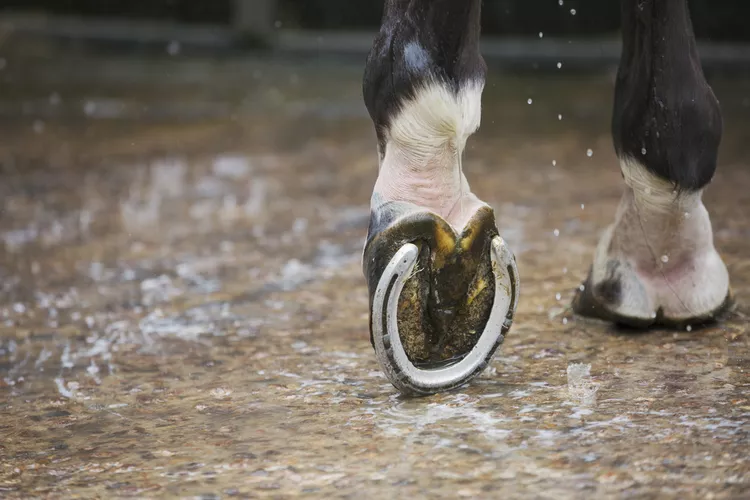
Horses’ hooves continuously grow from the coronary band, just like a fingernail. When a horse is shod, the shoe prevents the hoof from wearing itself down naturally. Over time:
-
The hoof wall extends past the shoe’s edge, losing protection.
-
Nail clinches may loosen as the wall grows and changes shape.
-
The balance and angle of the hoof may shift, placing stress on joints and tendons.
Periodically removing, trimming, and resetting or replacing the shoes is essential to maintain hoof health and soundness.
2. Standard Re‑Shoeing Intervals
Here is a summary of common recommendations:
| Interval | Typical Usage | Notes |
|---|---|---|
| 4–6 weeks | Most performance or well‑worked horses | Maintains balance, prevents hooves from outgrowing shoes. |
| 6–8 weeks | Horses in lighter work or with slow hoof growth | Some farriers allow up to 8 weeks, but caution is needed. |
| Longer (8+ weeks) | Only in special cases | May risk hoof imbalance or overgrowth. |
Intervals longer than six weeks may increase risk of structural stress and misalignment in the hoof.
3. Factors That Influence Re‑Shoeing Frequency
Your horse may need shoes more or less frequently depending on:
-
Hoof growth rate — varies by individual, breed, season
-
Workload and discipline — horses doing jumping, dressage, trail work, or heavy work wear shoes faster
-
Terrain and footing — hard, rocky surfaces accelerate shoe wear
-
Shoe material & design — aluminum, steel, composite vary in wear
-
Hoof health / quality — brittle or cracked hooves may require more frequent attention
-
Climate & season — hooves may grow faster in wet or warm weather
-
Conformation issues — uneven wear or imbalances may require more frequent corrections
4. Signs It’s Time to Re‑Shoe (Reset) Early
Even if your scheduled interval hasn’t arrived, these signs mean your horse should see the farrier sooner:
-
Loose, protruding or bent nails
-
Shoes that shift, twist, or dangle
-
Hoof wall growth extends beyond the shoe’s edge
-
Cracks or chips forming at the heel or toe
-
Behavioral changes: limping, uneven gait, discomfort
-
Uneven wear between shoes
If you notice any of these, call your farrier rather than waiting for the next appointment.
5. What the Farrier Does During a Re‑Shoeing Session
A professional re‑shoeing visit generally includes:
-
Removing old shoes — inspect condition and wear
-
Trimming and balancing the hoof — correct shape and angle
-
Fitting the new shoe (or reusing the old if still serviceable)
-
Nailing and clinching the shoe securely
-
Final checks and adjustments — ensure symmetrical balance and good fit
A good farrier also assesses the limb alignment, hoof pastern axis, and will recommend changes as needed.
6. Best Practices for Maintaining a Re‑Shoeing Schedule
-
Pre‑book regular farrier visits so you don’t drift too long between resets.
-
Track hoof growth and wear yourself (measure, note changes).
-
Keep your horse’s environment clean, dry, and with good footing to reduce undue wear.
-
Adjust the schedule seasonally (shorten in fast growth periods, lengthen carefully in slow growth seasons).
-
Communicate with your farrier about changes in workload, ground surface, or lameness signs.

FAQ
Q: Can a horse go longer than 6 weeks between re‑shoeing?
A: In some cases yes, especially for horses in light work or with slow hoof growth. However, extended intervals risk imbalance, stress on joints, or worn-out shoes.
Q: How much does re‑shoeing cost?
A: Costs vary widely by location, type of shoes, labor, and materials. It might range from modest local rates to premium prices in specialty or performance settings.
Q: Do all four hooves always need shoes?
A: Not necessarily. Some horses wear shoes only on the front, especially if the back hooves are strong and ground is favorable. Consult your farrier.
Q: What happens if I delay re‑shoeing too long?
A: Risks include lameness, hoof cracks, imbalance, strain on tendons and joints, and possibly more costly corrective work.
Maintaining an appropriate re‑shoeing schedule is vital to your horse’s soundness, comfort, and performance. Work closely with your farrier, watch for warning signs, and adjust the timing according to your horse’s needs. That way, his hooves stay healthy — and you stay ahead of problems.