
A riding crop is a short, flexible stick with a handle and a small flap or loop at one end. You use it to give your horse gentle signals when your leg cues need a little extra support. Many riders think a crop is only for punishment or that beginners should avoid it, but that’s not true. You’ll find it’s really a tool for clear communication.
Tip: If you want to learn What Is a Riding Crop and How to Use It Effectively, remember that light taps and good timing matter most for your horse’s comfort.
- Common misconceptions include:
- Crops are meant for punishment.
- Only experts should use them.
- Longer crops mean better control.
You’ll discover how to use a crop in a kind, effective way that builds trust and understanding between you and your horse.
Key Takeaways
- A riding crop helps you talk to your horse gently, not hurt it. Use it to help your legs give signals. This helps your horse understand you better.
- Hold the crop the right way to give clear signals. Hold it tight but stay relaxed. Keep it pointed down to keep everyone safe.
- Only use the crop when you really need to. It should help your legs and voice, not take their place.
- Timing matters a lot. Tap softly and stop right away when your horse listens. This helps your horse learn good behavior.
- Always think about your horse’s comfort first. Look for signs your horse feels bad. Change what you do to help your horse trust you more.
What Is a Riding Crop?
You might wonder what makes a riding crop different from other horse tools. A riding crop is a short, flexible stick that helps you communicate with your horse. You use it to give gentle signals, not to punish. Most crops have a simple design, but each part plays an important role in your riding experience.
Main Components
A riding crop has three main parts: the shaft, the handle, and the keeper. The shaft gives the crop its shape and flexibility. You’ll find shafts made from cane, fiberglass, or carbon fiber. The handle lets you grip the crop securely, so you can use it with confidence. Handles often use leather, cotton, or nylon for comfort and grip. The keeper, sometimes called the flap, is the small piece at the end that touches your horse. It’s usually made of leather and delivers gentle cues.
Here’s a quick look at the materials and sizes you’ll see:
| Component | Material Options | Dimensions (Length) |
|---|---|---|
| Shaft | Cane, Fibreglass, Carbon Fibre | 45cm (18 inches) to 61cm (24 inches) |
| Handle | Leather, Cotton, Nylon | N/A |
| Keeper | Leather | N/A |
You’ll notice that crops come in different styles for different riding activities. Some common types include:
- Traditional riding crops for everyday use.
- Jumping bats, which are shorter and have a wider end for jumping events.
- Dressage whips, which are longer and more flexible for dressage.
Purpose in Riding
You use a riding crop to support your natural aids, like your legs and voice. The crop helps you give clear signals when your horse needs a little extra encouragement. The shaft’s flexibility lets you control the crop with precision. The handle keeps your grip steady, and the keeper delivers a gentle tap that your horse can feel without pain.
Unlike whips or spurs, a crop is designed for subtle communication. Whips are longer and used in different disciplines, while spurs attach to your boots and give direct pressure. When you ask, "What Is a Riding Crop and How to Use It Effectively," remember that the crop’s main job is to reinforce your cues, not replace them. You want your horse to feel confident and comfortable every time you ride.
Tip: Always use the crop as a supportive aid. Your horse will respond better when you focus on gentle, clear communication.
Why Use a Riding Crop
As a Riding Aid
You might wonder why so many riders carry a crop. The answer is simple: a riding crop helps you talk to your horse in a clear, gentle way. When you ride, your legs, seat, and voice give most of the signals. Sometimes, though, your horse needs a little extra encouragement or a reminder. That’s where the crop comes in.
- Riding crops enhance communication between you and your horse.
- They act as an extension of your arm, letting you give subtle cues.
- Proper use can improve your horse’s responsiveness and performance.
- You can use a crop without causing pain, making it a safe tool for both you and your horse.
Tip: Think of the crop as a way to whisper to your horse, not shout. You want your signals to be soft and clear.
Professional trainers often use riding crops as gentle aids. They help reinforce your leg cues, especially if your horse gets distracted or slow. You’ll find that using a crop the right way can build trust and make your horse more confident.
When to Use
You don’t need to use a crop every time you ride. Instead, save it for moments when your horse needs a gentle reminder. Here are some common situations:
- Use the crop as a gentle reminder to support your leg, seat, or voice cues.
- Complement your natural aids, but never replace them.
- Apply it sparingly and with precision to keep your horse comfortable and confident.
- Always use a light touch. Never use the crop in anger or frustration.
- Pay attention to your horse’s sensitivity. Some horses respond to the lightest tap, while others need a bit more encouragement.
You’ll see crops used in many training scenarios, like groundwork, liberty training, and show jumping. For example, you might use the crop to help your horse step back, move forward, or shift sideways during groundwork. In these moments, the crop acts as a guide, not a punishment.
If you want to master What Is a Riding Crop and How to Use It Effectively, remember to use it as a supportive tool. Your goal is always clear communication and your horse’s comfort.
What Is a Riding Crop and How to Use It Effectively
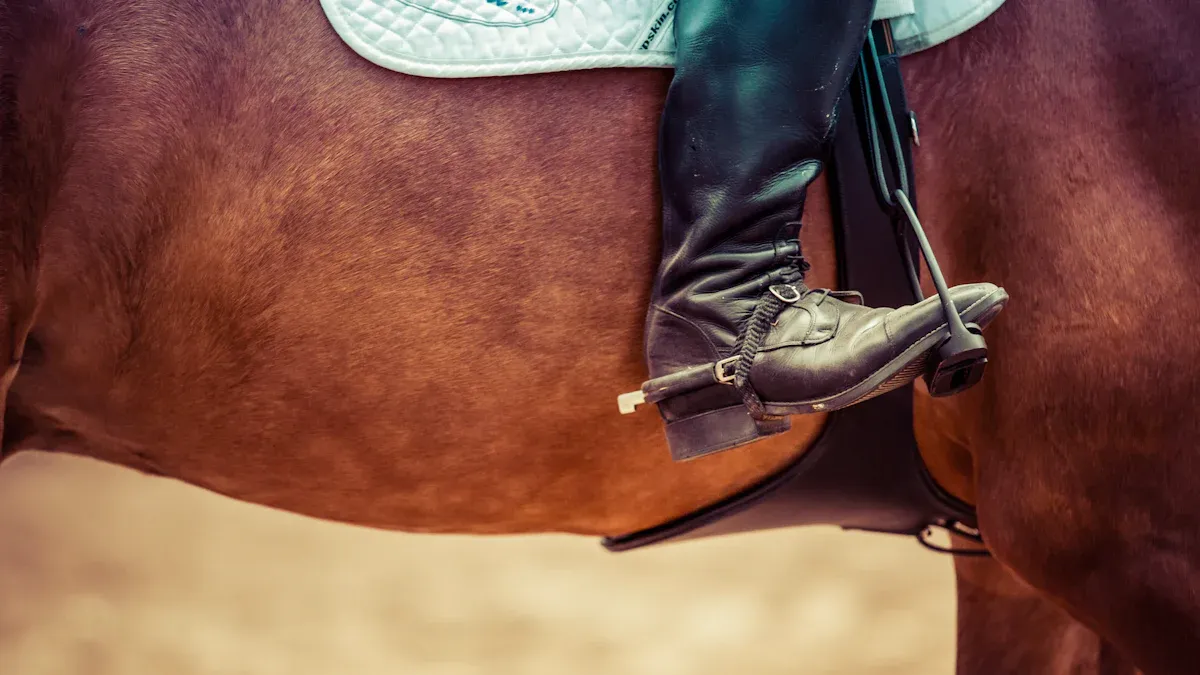
Learning what is a riding crop and how to use it effectively can make a big difference in your riding. You want to help your horse understand your cues, stay comfortable, and build trust. Let’s break down the best ways to hold, apply, and combine the crop with your other aids.
Proper Grip
Getting the right grip is the first step to using a riding crop well. If you hold it correctly, you can give clear signals without losing control or making your horse nervous. Here’s a simple step-by-step guide:
- Hold the crop in the same hand as your inside rein. Rest the handle along your palm.
- Wrap your thumb around both the reins and the crop. Keep your grip firm but relaxed.
- Angle the shaft downward so it points along your horse’s shoulder or thigh. This position lets you move the crop quickly and safely.
- Use your wrist to give gentle taps. Avoid swinging your whole arm.
- When you need to switch hands, gather both reins in one hand for a moment, then transfer the crop smoothly.
Tip: Keep the crop angled down to avoid bumping other horses or riders. This small habit keeps everyone safer in the arena.
Here’s a quick table of safety tips to remember:
| Safety Consideration | Description |
|---|---|
| Keep the crop angled down | Prevents accidents near other horses |
| Don’t swing it unnecessarily | Reduces risk of injury to horse and rider |
| Stay aware of surroundings | Keeps you and your horse safe |
| Learn emergency drop technique | Helps in unexpected situations |
Timing and Application
Timing matters just as much as grip. You want your horse to connect the tap with your cue. If you wait too long or use the crop too often, your horse might get confused or anxious. Here’s how to apply the crop the right way:
- Always ask with your leg first. If your horse doesn’t respond, follow up with a gentle tap from the crop.
- Use a quick, light flick on the horse’s shoulder or flank. Never hit hard or use the crop in anger.
- Release the pressure as soon as your horse reacts. Praise your horse right away to reinforce good behavior.
- Only use the crop when your horse ignores your main aid. Using it too much can break trust.
Note: Horses learn best when you use pressure and release. Tap gently, then stop as soon as your horse moves. This helps your horse understand what you want.
Stay balanced in the saddle and keep your eyes up. If you feel off-balance, wait until you’re steady before using the crop. Always watch your horse’s reaction. Some horses need only a tiny tap, while others may need a bit more encouragement.
Using with Other Aids
You should always use the crop as a backup, not a replacement, for your natural aids. Your legs, seat, and voice come first. The crop simply adds a gentle reminder when needed.
- Use your leg and rein aids together to give clear instructions.
- Think of the crop as an extension of your leg. It helps you ask for forward movement or a change in direction.
- Never use the crop alone. If you skip your leg or seat aids, your horse might get confused.
- Avoid using the crop as punishment. This can damage your horse’s trust and make learning harder.
Remember: What is a riding crop and how to use it effectively? It’s about clear, kind communication. Your horse should feel safe and confident every time you ride.
If you want to improve your skills, start by practicing from the ground. Teach your horse to respond to gentle taps before you try it in the saddle. This builds trust and helps your horse understand your signals.
When you combine all your aids, you create a language your horse can understand. You’ll find that your horse becomes more responsive and relaxed. Always reward your horse for trying, even if the response isn’t perfect.
Callout: The best riders use the crop sparingly and with respect. Your goal is to support your horse, not to control with force.
If you keep asking yourself what is a riding crop and how to use it effectively, remember these basics: hold it right, use it gently, and always put your horse’s comfort first. This approach will help you become a more thoughtful and effective rider.
Mistakes & Misconceptions
Overuse or Misuse
You might think using a riding crop often will make your horse listen better. In reality, overusing it can do the opposite. If you tap too much, your horse may stop paying attention to your cues. Riding instructors see these mistakes all the time:
- Using the crop out of anger. This only teaches fear and breaks trust.
- Tapping too often. Your horse can become dull and ignore your aids.
- Poor timing. If you tap too late, your horse gets confused.
- Hitting too hard. Heavy blows can scare or hurt your horse.
- Tapping the wrong spot. The best place is just behind your leg.
- Ignoring your seat, legs, and voice. The crop should only support these aids.
- Using a crop that is too long or too short. This makes riding awkward.
- Letting the crop flop around. You might hit your horse by accident.
- Awkward swings. This can confuse your horse.
- Forgetting to reward good behavior. Praise helps your horse learn.
Tip: Always use the crop with care and purpose. Your horse will trust you more when you stay calm and clear.
Misunderstanding the Purpose
Many riders believe the crop is just for punishment. That is not true. The real purpose of a riding crop is to help you communicate and keep your horse safe. You use it to encourage your horse or remind it of what you want. The crop acts as a safety and training tool, not a weapon. If you use it too much or in anger, you risk harming your horse and losing its trust.
- The crop helps you maintain control and clear communication.
- It should never replace your natural aids.
- Abusive or excessive use is always wrong.
Signs of Improper Use
Your horse will show you if something feels wrong. Watch for these signs:
| Sign | What It Means |
|---|---|
| Flinching or shying | Your horse feels scared |
| Pinning ears back | Your horse feels unhappy |
| Swishing tail | Your horse feels annoyed |
| Avoiding you | Your horse does not trust you |
If you see these signs, stop and check your technique. Make sure you use the crop gently and only as a backup. Your horse’s comfort and trust should always come first.
You have learned that a riding crop helps you talk to your horse in a gentle way. It is not for hurting or punishing your horse. Always use the crop with respect and care. Equestrian safety rules set limits on how you can use a crop:
| Rule Description | Details |
|---|---|
| Maximum Uses During Race | You can use the crop up to six times in one race. |
| Successive Uses | Tap only two times in a row, then wait for your horse to react. |
| Training Use | Use the crop in training only if it keeps you and your horse safe. |
Always think about your horse’s well-being first. Big horse groups say you should watch for signs that your horse is uncomfortable. Let your horse act naturally and show how it feels. Be kind and use good skills every time you ride.
FAQ
How do you know if your horse needs a riding crop?
Watch your horse’s response to your leg aids. If your horse ignores gentle cues or seems distracted, you might need a crop for extra support. Always try your natural aids first.
Can you use a riding crop on any horse?
Most horses can work with a crop, but some are sensitive. Start with light taps and watch your horse’s reaction. If your horse seems nervous, stop and try again later.
Where should you tap your horse with the crop?
You should tap just behind your leg, on your horse’s side. This spot helps reinforce your leg aids. Avoid hitting sensitive areas like the head or flank.
What should you do if your horse gets scared of the crop?
Stay calm and patient. Let your horse sniff the crop and reward relaxed behavior. Practice gentle taps on the ground before using it while riding.