

Supply planning / stock and development
Overseas stock and a new OEM project begin at different stages. Confirm the exact item and quantity, then distinguish remaining approvals, dispatch and delivery before relying on a date.
The short version
Plan the supply route before promising the date.
Start with what needs to arrive, not only when
A buyer needing to replenish an existing item and a brand developing a new horseshoe are solving different supply problems. Both may have an important delivery date, but the work needed before dispatch can be very different. A useful enquiry identifies the product and supply route before asking for a reliable schedule.
RELIA offers overseas-warehouse fulfillment for applicable orders and OEM horseshoe development. Overseas availability is item- and destination-dependent; it should not be assumed from the presence of a product in the catalog. An OEM project also needs its own review of design, samples and production arrangements. Neither route creates a universal arrival promise.
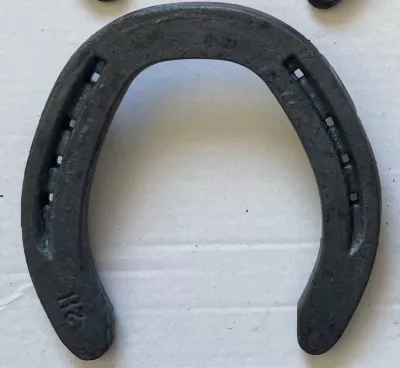
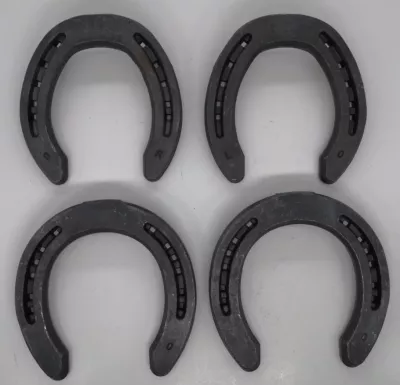
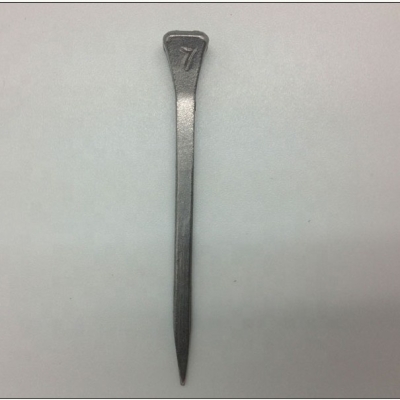
This article explains how to organize the decision. RELIA's forged steel training-and-competition product, forged steel wholesale product and E5 nail listing are actual catalog references a buyer can include in an enquiry. Their use here does not mean those items are currently available in a particular warehouse or that a custom version can follow the same supply plan.
Define the requirement at item level
Create an item list with the exact model, size or series, quantity and ordering unit. Include the front or hind designation for horseshoes where relevant, and the pack quantity for nails. If the order includes more than one product family, keep the lines distinct even when they will ultimately travel in the same shipment.
Add the destination and the date your operation needs the goods, explaining whether that date concerns warehouse receipt, a customer commitment or a planned product launch. The distinction helps the supplier understand the consequence of a delay without treating your requested date as an accepted promise.
Mark each line as an approved repeat item, an unapproved catalog candidate or a custom project. This small distinction prevents a stocked standard item and a design still awaiting sample approval from being discussed as though they are at the same stage. Where the specification is not final, show the open question rather than hiding it behind a familiar model name.
Ask what overseas availability actually covers
For an overseas-stock enquiry, the relevant questions are the current SKU, quantity, dispatch location and destination served. The answer should relate to the actual item and time of enquiry. A general statement that overseas warehouses exist is not a live inventory feed and does not establish stock for every size or finish.
Clarify whether the available item is the exact approved reference or a proposed alternative. If the packing, marking or other feature differs, make that difference visible before deciding whether the item is acceptable. A stock shortage should not silently turn into permission to substitute a similar-looking product.
If stock is available, discuss how the quantity and dispatch arrangement will be confirmed for the order. Do not assume that an early enquiry reserves goods indefinitely. Keep the confirmed offer and any conditions with the order record so the purchasing team knows what was actually agreed, not only what was discussed at the start.
Keep OEM development on its own path
A private-label or new-design order may involve work that is not part of dispatching a standard stocked item. The exact sequence depends on the project, but the buyer should identify the product changes, engineering review, tooling where needed, sample approval and packaging or artwork decisions before expecting a production schedule to be settled.
The existing OEM offer covers discussions of horseshoe sizes and shapes, nail-hole designs, markings and packaging. Each request still needs a feasibility review. A change that looks small on a sales image may have consequences for the drawing, process or approval record. The supplier needs a controlled brief to assess it.
Keep development and bulk-order decisions separate in your planning sheet. Record what information the buyer must supply, what the supplier must review and which approvals remain open. This makes the schedule discussion actionable without inventing a standard number of days for every custom horseshoe project.
Two orders can need different preparation
Neither route carries a fixed lead time from this diagram.
Approved stock item
Start with exact SKU, quantity, supply location and destination.
New or changed OEM item
Start with the design brief, open approvals and required development work.
Mixed requirement
Keep the status and quantity of each purchase line visible.
Separate availability, dispatch and arrival
Availability describes whether the required item can be supplied from the proposed source. Dispatch concerns when the goods leave that source. Final delivery concerns arrival under the agreed transport arrangement. Those are connected milestones, but they are not the same event. A dispatch estimate should not be copied into a customer promise as an arrival date.
For a factory order, production or development may precede dispatch. For an overseas-stock order, the relevant preparation and carrier arrangements still need to be considered. Ask the supplier to identify the assumptions behind the proposed schedule instead of relying on a single date with no explanation.
Keep your required receipt date visible while distinguishing it from the supplier's confirmed arrangement and any estimate. If the date matters to a launch or replenishment plan, discuss what happens when a preceding approval or shipment milestone changes. The point is not to remove uncertainty with wording, but to identify where it sits and who needs to act.
Give each milestone its own meaning
Requested dates and confirmed arrangements should remain distinct.
| Milestone | What it answers | What to keep in the order |
|---|---|---|
| Availability | What can be supplied from the proposed source? | Exact item, quantity and conditions. |
| Development or preparation | What work remains before dispatch? | Drawing, sample and packing approval status. |
| Dispatch | When do goods leave the source? | The agreed dispatch arrangement. |
| Delivery | What arrival arrangement is proposed? | Route, destination and responsibilities. |
Product references
Product links identify catalog examples; they do not confirm current stock or an approved specification.
Compare the complete commercial arrangement
A warehouse-supply quote and a factory-shipment quote may include different work and costs. Compare the same item, quantity, packing and delivery basis before treating the headline unit price as the whole decision. Where relevant, separate development, tooling, product, packing, inspection and transport items so the differences remain understandable.
Confirm who is responsible for freight, duties, taxes and destination services under the agreed commercial arrangement. Use the terms agreed by the parties rather than assuming that a warehouse location automatically determines every responsibility. If your organization needs specialist advice on import requirements or the contract, obtain it for the actual transaction.
A factory-direct route can make engineering discussion more direct, while another route may offer a useful stock or consolidation service. Neither is universally better. The practical comparison is whether the complete arrangement meets your specification, receiving needs and commercial priorities with responsibilities that both parties understand.
Discuss partial supply before it becomes a surprise
A multi-item order may not be available in full from one source at one time. If a partial shipment is proposed, identify which lines and quantities are included, which remain outstanding and how each part will be packed and documented. A general promise to send the rest later is not a sufficient planning record for a receiving team.
Compare the implications of waiting, splitting the shipment or evaluating an alternative item. Additional freight, separate receiving work or a changed packing plan may affect the decision. Do not assume that splitting is automatically faster or cheaper once the whole arrangement is considered.
If the buyer accepts a substitute, link it to an explicit approval and update the purchase information. Keep the original requirement visible so the team can understand whether the change applies only to this shipment or to the ongoing range. This is particularly important when different sizes or nail packs have similar descriptions.
Make documents and packing part of the plan
The shipment record should identify the actual products and quantities being dispatched. Agree the packing-list information needed by your warehouse, including item codes, variants, pack counts and carton identification. Where shipment dimensions and weights are needed for planning, distinguish an estimate from the final dispatch figures.
For a branded order, check that the approved label or artwork version is the one being used. For mixed items, ensure the pack arrangement lets the receiving team identify and count each line. A carton count alone does not tell the warehouse how many units of each variant are inside.
Request the commercial and transport documents appropriate to the agreed arrangement. Their content should match the actual order and shipment, not a generic sample document. If a document contains inconsistent company, product or quantity details, resolve the discrepancy before relying on it for payment, dispatch or receipt planning.
Review changes through a known contact
During an order, the supply location, quantity, schedule or payment instructions may be proposed for change. Treat each as a specific change to review, not as a minor administrative update that automatically carries approval. Record what changes, why, and how it affects the rest of the arrangement.
Unexpected payment-detail changes deserve independent confirmation through an established contact route. Do not rely only on the message announcing the change or the contact information contained in that same message. RELIA's supplier-verification guide explains the wider set of identity and document checks a buyer can use.
When a schedule changes, update the relevant order milestones and inform the people relying on the receipt date. Avoid keeping one date in purchasing, another in sales and a third in warehouse planning. A consistent record helps the teams make a decision about the actual order without pretending that every uncertainty has disappeared.
Close the loop when the goods arrive
On receipt, compare the shipment with the purchase order and packing list while the items and packing remain identifiable. Record the date, carton condition and the checks carried out. If the order was split, distinguish the received quantities from the open balance rather than reporting the shipment as simply complete or incomplete.
For an issue, preserve the relevant product, packaging, references and observations so the buyer and supplier can investigate. Reporting deadlines and possible remedies depend on the agreed terms; this planning guide does not create an automatic return period or refund promise. The Incoming Inspection page provides a concise record of what to keep.
To discuss your next order with RELIA, send the exact product references, quantities, destination and required receipt date, and say whether the items are approved repeats or new developments. That gives the factory a useful starting point for discussing stock, OEM work and delivery as one connected plan rather than one unsupported date.
Catalogue References Used in This Article
These links identify the examples discussed above. Confirm the selected variant, specification and packing for the actual order; a catalogue description is not a test result or a live stock confirmation.
Bring the Next Decision to the Team
Send your product reference, quantity, destination and the questions still open. A drawing or identified sample helps us discuss the actual requirement.