

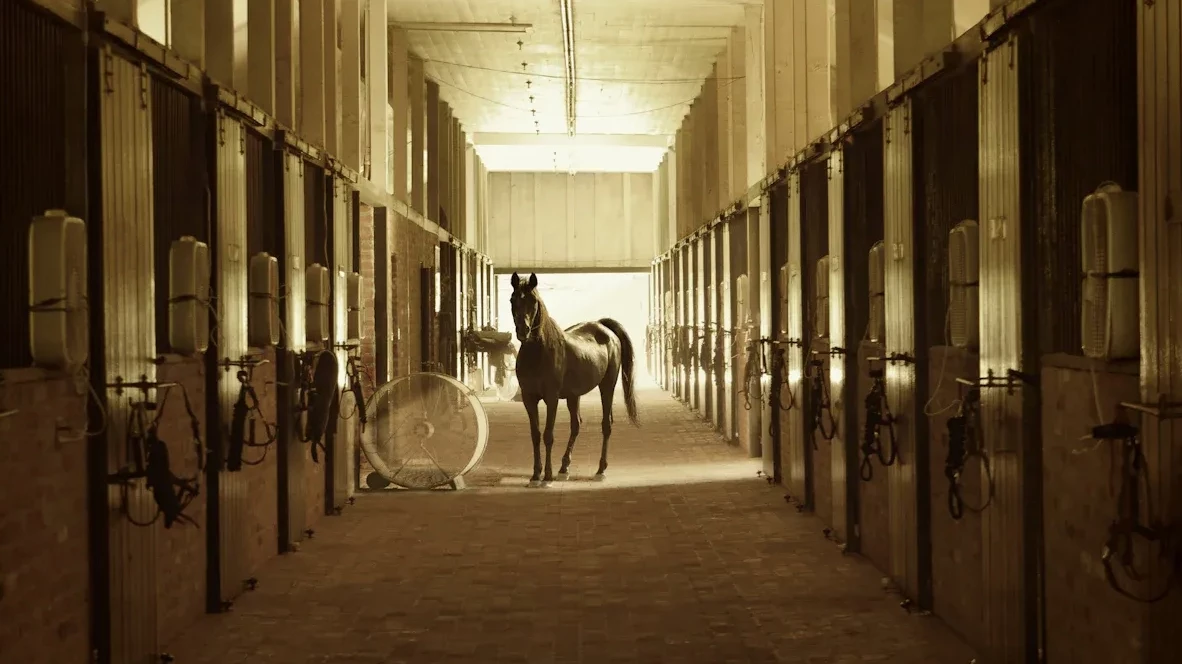
Creating a horse-friendly barn goes beyond just providing shelter; it’s about ensuring their safety and giving you peace of mind. Horses thrive in barns designed for their safety and comfort. Did you know that barns are responsible for nearly 30% of farm injuries? A well-thought-out horse-friendly barn design not only keeps horses safe but also facilitates your chores. With careful planning, you can protect your horses while making your work easier. A sturdy, horse-friendly barn benefits both the horses and their owners.
Key Takeaways
- Pick the right stall size and layout. Most horses fit in 12' x 12' stalls, but bigger horses need more room.
- Plan your spending wisely. Simple barns cost $40,000 to $150,000. Modular barns can save money.
- Make sure the barn has good airflow. Fresh air keeps the barn clean and helps horses breathe better.
- Choose strong and comfy flooring. Rubber mats are safe and soft. Concrete floors need padding for horse safety.
- Add a wash stall for cleaning. A wash area makes cleaning easy and keeps the barn neat.
Planning and Designing a Horse-Friendly Barn
Picking the Right Size and Layout
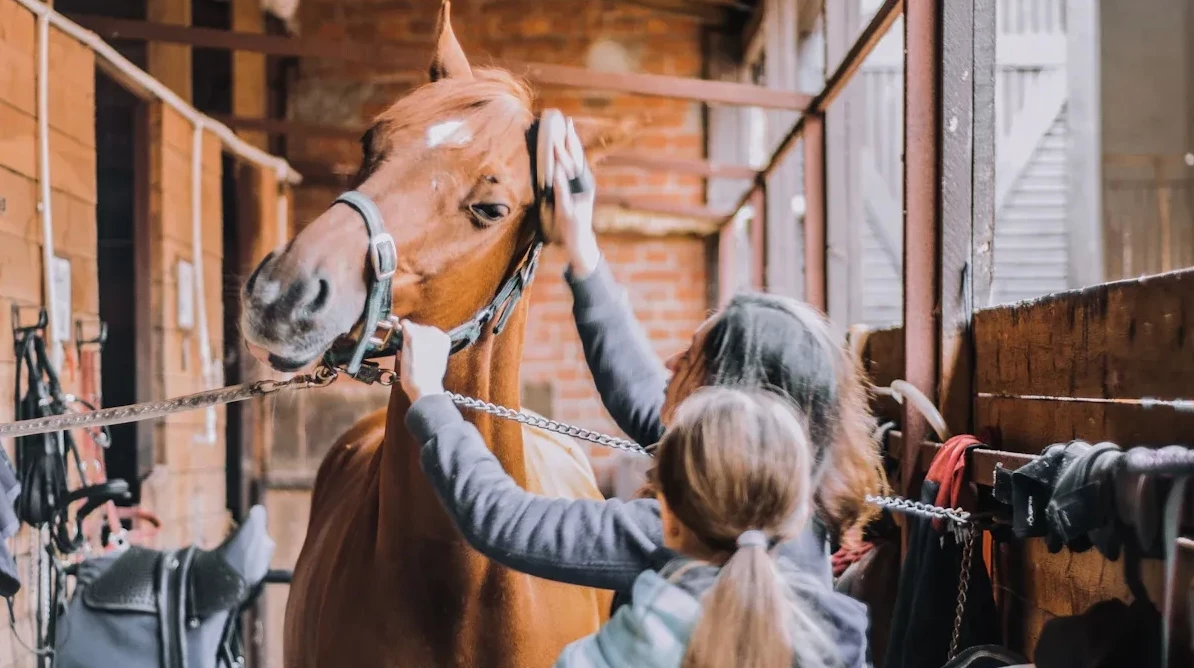
When designing your barn, size and layout are key. Horses need enough room to move freely. Most average horses fit well in a 12′ x 12′ stall. Smaller horses or ponies can use a 10′ x 10′ stall. Bigger horses, like draft breeds or mares with foals, need larger stalls—16′ x 16′ or even 16′ x 20′.
Your barn’s layout should also make chores easier. A center aisle design, with stalls on both sides, is very common. It saves space and makes work simpler. Add areas for feed storage, a tack room, and maybe a space for sick horses. These features make your barn more useful and horse-friendly.
Setting a Budget for Your Barn
Building a barn costs a lot, so plan your budget carefully. Prices depend on size, materials, and features. Basic barns can cost $40,000 to $150,000. Adding stalls might cost $10,000 to $30,000 more. Utilities like water and electricity can add $5,000 to $20,000.
To save money, think about modular barns or single-level designs. These are often cheaper than traditional barns. Also, decide how many stalls you really need. Building only what’s necessary helps keep costs down.
| Item | Estimated Cost | Notes |
|---|---|---|
| Basic Stable Construction | $40,000 - $150,000 | Size and materials affect the price. |
| Stalls and Interior Features | $10,000 - $30,000 | Quality and number of stalls matter. |
| Utilities Installation | $5,000 - $20,000 | Based on your barn’s needs. |
| Site Preparation | $5,000 - $15,000 | Ensures stable building ground. |
| Renovation Costs | $10,000 - $50,000 | Depends on current structure condition. |
Picking the Best Location for Safety and Access
Where you build your barn is very important. Choose a spot that’s easy for you and service vehicles, like vets, to reach. The area should also be safe for your horses. Avoid places that flood or have weak ground.
Think about wind and sunlight, too. Placing your barn to catch natural airflow helps with ventilation. Proper placement keeps it cooler in summer and warmer in winter. A good location makes your barn efficient and keeps horses comfy all year.
Key Features of a Horse-Friendly Barn
Designing Spacious and Safe Stalls
A horse’s stall is their private space to relax. It must be roomy and safe for their comfort. Most horses fit well in a 12′ x 12′ stall. Bigger horses or mares with foals need up to 16′ x 20′ stalls. These sizes let horses move freely without feeling tight.
Safety is very important when picking stall materials. Use strong walls and doors that handle kicks and bumps. Smooth surfaces stop injuries, and secure latches keep doors closed. Rubber mats on the floor add comfort and prevent slipping.
Custom stalls made for your horse’s needs can help their health. Horses in good stalls are less stressed and need fewer vet visits. By focusing on size and safety, you make a space where horses feel calm and happy.
Ensuring Proper Ventilation and Airflow
Good airflow keeps the barn fresh and horses healthy. It removes heat, moisture, and harmful gases like ammonia. Poor air can cause breathing problems for horses. Ventilation also stops mold and bacteria from growing, keeping everyone safer.
To get good airflow, focus on moving air around. Use fans and vents to spread air evenly. Build your barn where natural breezes can help. Lowering humidity improves air quality and protects wood and metal parts from damage.
Think of ventilation as making the barn comfy and healthy. Clean air helps horses stay well and breathe easier. You’ll see fewer breathing issues and healthier horses overall.
Selecting the Right Lighting for Horse Comfort
Lighting is more important than it seems in a barn. Horses need both natural and artificial light to stay healthy. Natural light helps their body clocks, while artificial light helps you see at night or early morning.
Pick LED lights for your barn. They last long, save energy, and shine evenly. Avoid bright, harsh lights that might upset horses. Use soft lights that feel like daylight. Skylights or big windows bring in more natural light and make the barn brighter.
Good lighting helps horses and makes chores easier. You’ll see better when cleaning, feeding, or grooming. A well-lit barn is a better place for both you and your horses.
Choosing Durable and Comfortable Flooring Options
The flooring in your barn plays a big role in your horse’s comfort and safety. It’s not just about durability; it’s also about creating a surface that supports your horse’s joints and prevents injuries. Choosing the right flooring can make a huge difference in how your horse feels and moves.
Here are some popular flooring options to consider:
- Rubber Mats: These are a favorite for many barn owners. They’re soft, durable, and easy to clean. Rubber mats also provide excellent traction, reducing the risk of slipping.
- Concrete: While concrete is strong and long-lasting, it can be hard on your horse’s legs. Adding rubber mats or bedding on top can help soften the surface.
- Dirt or Clay: This is a natural and affordable option. However, it requires regular maintenance to stay level and dry.
- Crushed Stone or Gravel: This type of flooring offers good drainage but may not be as comfortable for your horse to stand on for long periods.
Tip: Combine flooring materials for the best results. For example, use concrete in high-traffic areas and rubber mats in stalls. This way, you balance durability with comfort.
When choosing flooring, think about how easy it will be to clean. A clean floor helps keep your barn hygienic and your horse healthy. Also, consider drainage. Proper drainage prevents water from pooling, which can lead to slippery surfaces and unpleasant odors.
Incorporating a Wash Stall for Hygiene
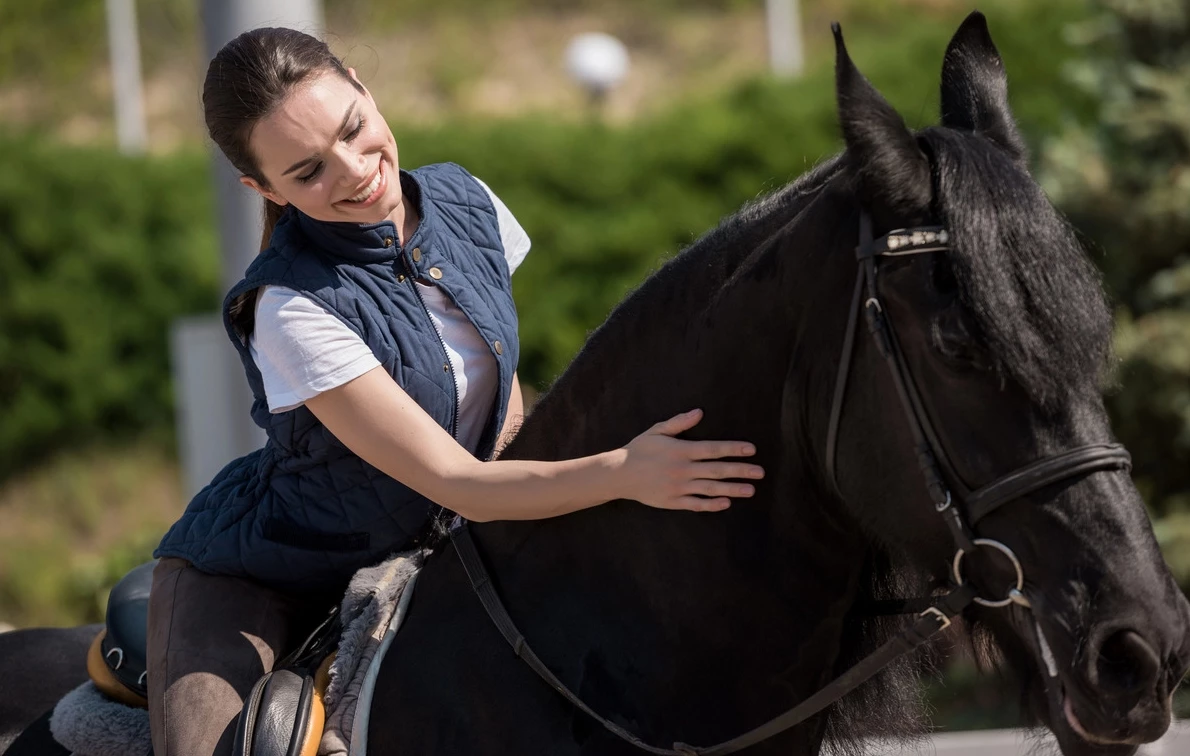
A wash stall is a must-have feature in a horse-friendly barn. It’s a dedicated space where you can bathe your horse, clean their hooves, or rinse off sweat after a ride. Having a wash stall makes these tasks easier and keeps the rest of your barn clean.
When designing your wash stall, keep these tips in mind:
- Size Matters: Make sure the stall is big enough for your horse to move comfortably. A space of at least 10′ x 10′ works well for most horses.
- Non-Slip Flooring: Wet floors can be dangerous. Use rubber mats or textured concrete to prevent slipping.
- Good Drainage: Install a drain in the center of the stall to quickly remove water. This keeps the area dry and reduces the risk of mold or mildew.
- Water Supply: Equip the stall with both hot and cold water. Horses are more comfortable with warm water, especially in colder months.
Note: Keep all hoses and equipment neatly stored to avoid tripping hazards. A tidy wash stall is safer for both you and your horse.
Adding a wash stall to your barn not only improves hygiene but also saves you time. You won’t have to haul buckets of water or clean up muddy messes in other areas. It’s a practical addition that makes your barn more functional and horse-friendly.
Materials and Construction for a Horse-Friendly Barn
Picking Strong and Safe Materials for Horses
The materials you use for your barn matter a lot. Horses are big and strong, so you need tough materials that keep them safe. For example, stall floors are very important for your horse’s health. Soft floors help their legs and joints feel better.
Strong materials are important, but safety is too. Floors should stop slipping so horses can lie down safely. They also need to handle pawing and stay even over time. Avoid materials that hold bad smells, as ammonia can hurt your horse’s breathing.
Here’s a quick guide to some materials and their benefits:
| Material Type | Benefits |
|---|---|
| Arena Green | Great for less dust, smooth footing, and easy care. |
| Sand/Footing Additive Mix | Helps joints and improves how horses move. |
| Quality Base Layer | Drains well, stops unsafe spots, and stays steady. |
| Stall Flooring | Strong, simple to clean, non-slip, and soft on legs. |
Tip: Use materials that are easy to clean. This saves time and keeps your barn fresh for your horses.
Keeping the Barn Comfortable in All Weather
Your barn should feel good for horses in any season. Insulation and weatherproofing help keep it warm in winter and cool in summer. Horses don’t like extreme weather, so a steady temperature keeps them healthy.
Start by insulating the walls and roof. Spray foam or foam boards work well to trap heat in winter and block it in summer. Don’t forget doors and windows. Adding weatherstripping stops cold air from coming in.
For weatherproofing, focus on the roof and outside walls. Metal roofs are strong and keep water out. Make sure the roof drains well to avoid leaks. Seal cracks in walls to block rain and wind.
Note: Good insulation and weatherproofing protect your horses and make your barn last longer by stopping water damage.
Using Eco-Friendly and Budget-Friendly Materials
Want a barn that’s good for the planet and your wallet? Eco-friendly materials are a great choice. They’re strong, last long, and save money over time.
Recycled wood and metal are great for building barns. They’re tough and give a nice rustic look. Bamboo is another option. It grows fast, is renewable, and very strong. For insulation, try sheep’s wool or recycled denim. These are natural, safe, and work well.
Solar panels can cut energy costs. They power lights and fans, so you use less electricity. Rainwater systems are also eco-friendly. They collect water for cleaning and watering horses.
Did you know? Eco-friendly materials help the earth and make your property more valuable. It’s a win for you and your horses!
Practical Tips for Maintaining a Horse-Friendly Barn
Keeping the Barn Clean and Hygienic
A clean barn is vital for your horse’s health. It lowers the chance of infections and keeps horses comfy. Remove manure daily to stop feed and water contamination. Clean stalls, feeding tools, and water buckets often to stay hygienic.
Disinfecting is also important. Use products that kill common germs to keep the barn safe. Clean your boots and clothes before entering to avoid spreading bacteria. Limiting access to certain areas can help keep things tidy.
Tip: Teach visitors about barn hygiene rules. This helps everyone follow safety steps and protects your horses.
Seasonal Adjustments for Winter and Summer
Your barn must adjust to seasons to keep horses comfy. In winter, remove moisture and keep air fresh. Aim for 4-6 air changes per hour to stop dampness. Close openings to 2-4 inches during very cold weather to block drafts.
In summer, focus on airflow to fight heat. Increase air changes to 20-30 per hour. Open windows and use fans to cool the barn. Big fans improve ventilation, and misters help when it’s over 85°F.
| Season | Key Adjustments |
|---|---|
| Winter | Remove moisture, keep air fresh, and block drafts. |
| Summer | Boost airflow, use fans, and add misters for cooling. |
Note: Place resting spots away from drafts in winter. In summer, put them near breezy areas. This keeps horses happy all year.
Managing Drainage and Preventing Water Accumulation
Too much water can make your barn muddy and unsafe. Good drainage stops this and keeps the barn dry. Controlled drainage holds water when it’s not needed, using tools to manage flow. Saturated buffers guide water through plants, reducing harmful runoff.
Drainage water recycling is another smart idea. Save drained water in ponds or tanks for later use. This reduces waste and helps during dry times.
| Technique | Description |
|---|---|
| Controlled Drainage (CD) | Holds water when not needed, using tools to control flow. |
| Saturated Buffers (SB) | Guides water through plants to reduce harmful runoff. |
| Drainage Water Recycling (DWR) | Saves drained water for reuse, cutting waste and helping in dry periods. |
Tip: Check your barn’s drainage system often. Fix clogs or leaks to keep water flowing and avoid puddles.
Controlling Pests and Rodents Effectively
Keeping pests and rodents away is important for your horse’s health. These creatures can spread diseases, ruin feed, and harm your barn. Thankfully, you can manage them without using too many chemicals.
Start by keeping your barn clean and organized. Rodents like messy areas, so remove clutter. Store feed in sealed bins and keep items off the ground. This makes cleaning easier and removes hiding spots. Sweep up spilled grain or hay often to avoid attracting pests. Good airflow also helps by reducing dampness where pests thrive.
Use natural predators like barn owls to control rodents. Barn owls eat many rodents and are great helpers. Put up an owl box near your barn to invite them. This eco-friendly method works well in the countryside.
For direct control, use traps and check them daily. If you see droppings or chewed wood, act fast. Set traps right away and seal holes larger than 1/4 inch to block entry.
Here’s a simple guide to pest control methods:
| Method | Description |
|---|---|
| Non-chemical control measures | Change habitats, block entry points, and keep areas clean. |
| Sanitation practices | Remove clutter and store items off the ground for easy cleaning. |
| Monitoring and control devices | Check traps regularly to manage pests effectively. |
| Natural predators | Use barn owls or other birds to reduce rodent numbers naturally. |
Tip: Preventing pests is easier than removing them. A clean barn keeps pests away.
By using these methods, you can keep your barn safe and healthy for your horses.
Customizing and Enhancing Your Horse-Friendly Barn
Adding Personal Touches to Reflect Your Style
Your barn can show your personality, not just be useful. Adding small details makes it feel special and welcoming. Start by picking finishes for doors and hardware. A wood look or shiny metal can change the barn’s style.
Inside, choose paint colors, furniture, and decorations. Soft colors make it calm, while bright ones add energy. Hang horse-themed pictures or art to show your passion. Curtains or shutters can make the barn look nice and control sunlight.
Clayton Boyd made our dream barn real. He listened to what we wanted and made the process easy. He added features that improved our vision perfectly.
Barndominiums are a fun way to customize barns. They mix rustic and modern styles with open spaces and tall ceilings. This design lets you pick finishes that match your taste.
Designing a Functional Tack Room and Storage Area
A neat tack room keeps your barn organized. Use hooks, shelves, and cabinets to store saddles, bridles, and tools. Label spots to find things quickly.
Add a saddle rack and bridle hooks to protect gear. A small workbench is handy for cleaning and fixing items. If there’s space, add a chair for relaxing or planning rides.
Good lighting is key in a tack room. Bright lights help you see when working. Ventilation stops mold and keeps gear safe.
Tip: Pick shelves and cabinets that resist moisture. This protects your tack from damage.
Landscaping Around the Barn for Beauty and Functionality
Landscaping makes your barn look nice and work better. Plant trees or bushes for shade and wind protection. This cools the barn in summer and blocks cold winds in winter.
Gravel or stone paths make walking easier, even in rain. Add flowers or plants near the entrance for a friendly look. Choose plants that grow well in your area.
| Example | Description |
|---|---|
| The Barn House in Sonoma | A fancy barn home with big sliding doors and views of vineyards. |
Landscaping can also help with drainage. Rain gardens or drains stop water from pooling near the barn. This keeps the area safe and dry.
Note: Good landscaping makes your barn pretty and healthier for your horses.
Creating a barn for horses is a smart investment. Careful planning makes it safe, comfy, and useful. Focus on key features like good airflow, strong materials, and practical spaces. This helps your horses stay healthy and happy. Adding personal touches makes the barn unique and special.
A good barn helps both you and your horses. When horses feel good, your daily life improves too.
FAQ
What is the best way to keep my barn cool in the summer?
Good airflow is key. Open windows and doors to let natural breezes in. Use fans to circulate air and consider installing misters for extra cooling. Planting trees around the barn can also provide shade and reduce heat.
How often should I clean my horse’s stall?
You should clean stalls daily. Remove manure and wet bedding to keep the area fresh and hygienic. Regular cleaning prevents odors, reduces pests, and keeps your horse comfortable. A clean stall also lowers the risk of infections.
What’s the ideal size for a horse stall?
Most horses do well in a 12′ x 12′ stall. Larger breeds or mares with foals may need 16′ x 20′ stalls. Always ensure your horse has enough space to move comfortably and lie down safely.
How can I prevent pests in my barn?
Keep your barn clean and organized. Store feed in sealed containers and sweep up spills immediately. Use natural predators like barn owls to control rodents. Regularly check for entry points and seal any gaps to keep pests out.
Do I need insulation in my barn?
Yes, insulation helps maintain a comfortable temperature year-round. It keeps the barn warm in winter and cool in summer. Insulated walls and roofs also protect against moisture and drafts, ensuring your horses stay healthy and comfortable.