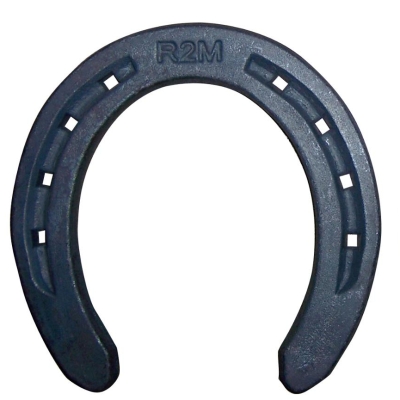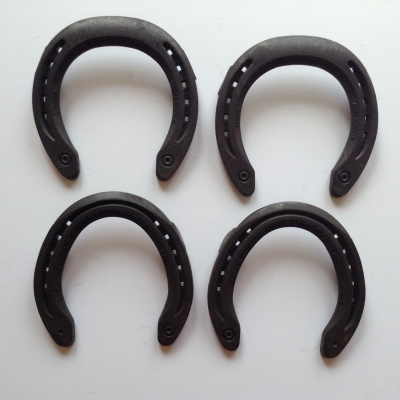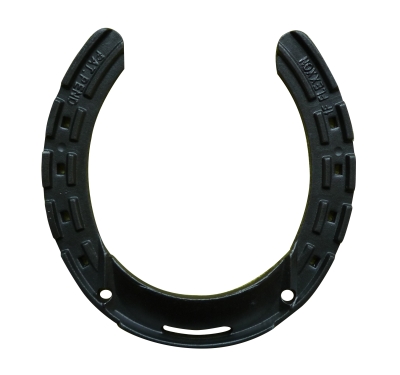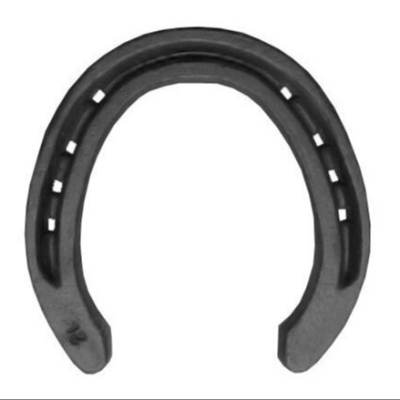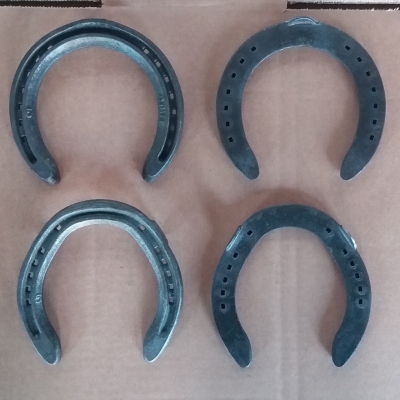

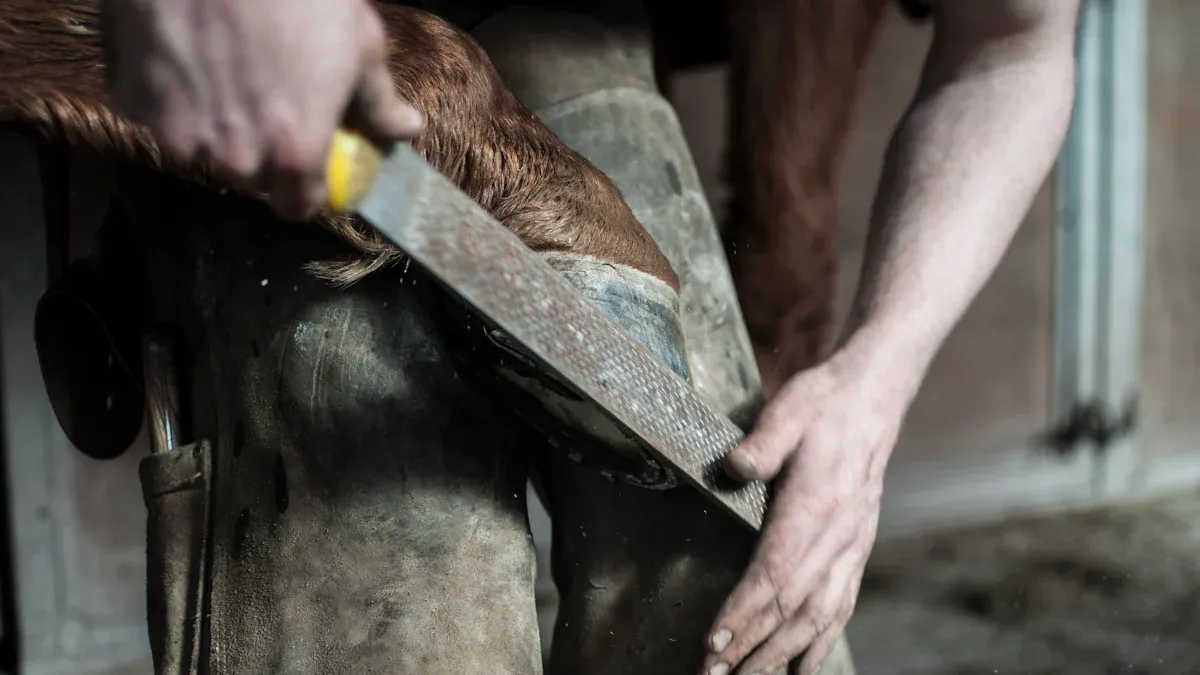
Finding the best horseshoes for your horse takes thought. Consider how much your horse moves and where they walk. It's also important to check the condition of their hooves. If you're looking for metal horseshoes for sale, you'll find they come in different types for various needs. A good farrier can help fit them right and keep hooves healthy.
Key Takeaways
- Picking the right metal horseshoes keeps your horse's hooves safe. It also helps them perform better. Think about how active your horse is and where they walk.
- Metal horseshoes are made from different materials. Steel is strong and lasts long. Aluminum is lighter and good for speed. Each type works for different needs. Ask a farrier to help you choose the best one.
- Taking care of hooves is very important for your horse's health. This includes trimming and fitting the shoes. Work with a farrier to give your horse the best care and support.
Why Horses Need Horseshoes
Horseshoes are important for keeping your horse’s hooves healthy. They stop hooves from getting damaged and help with grip. Some horseshoes are made to help horses with injuries or special needs. Picking the right horseshoes keeps your horse comfy and performing well.
Benefits of Metal Horseshoes
Metal horseshoes have many perks that horse owners like. Here are some main benefits:
- Hoof Protection: Metal horseshoes guard hooves from damage on hard or rough ground.
- Weight Distribution: They spread weight evenly, lowering stress on hoof areas.
- Traction Enhancement: Metal shoes give better grip on slippery or uneven surfaces.
- Therapeutic Applications: Special metal horseshoes help horses with injuries or hoof problems.
| Benefit | Description |
|---|---|
| Hoof Protection | Protects hooves from damage on tough surfaces. |
| Weight Distribution | Spreads weight evenly to avoid hoof stress. |
| Traction Enhancement | Improves grip on slippery or rocky ground. |
| Therapeutic Applications | Helps horses with hoof injuries or deformities. |
Protecting Hooves and Enhancing Performance
Horseshoes keep hooves safe from wear caused by daily movement. Without shoes, hooves can crack or wear unevenly, causing pain or lameness. Metal horseshoes also boost performance by improving grip. For example, steel-plastic shoes help forelimbs push harder, while tungsten-carbide shoes improve braking in hind limbs. These features are great for horses in sports or working on rough terrain.
Patrick Reilly, an expert in horse movement, says horseshoes don’t harm hooves if used right. Vanessa Dahl explains that horseshoes protect hooves during athletic activities. Picking the best metal horseshoes for sale helps your horse stay healthy and perform well.
Types of Metal Horseshoes for Sale
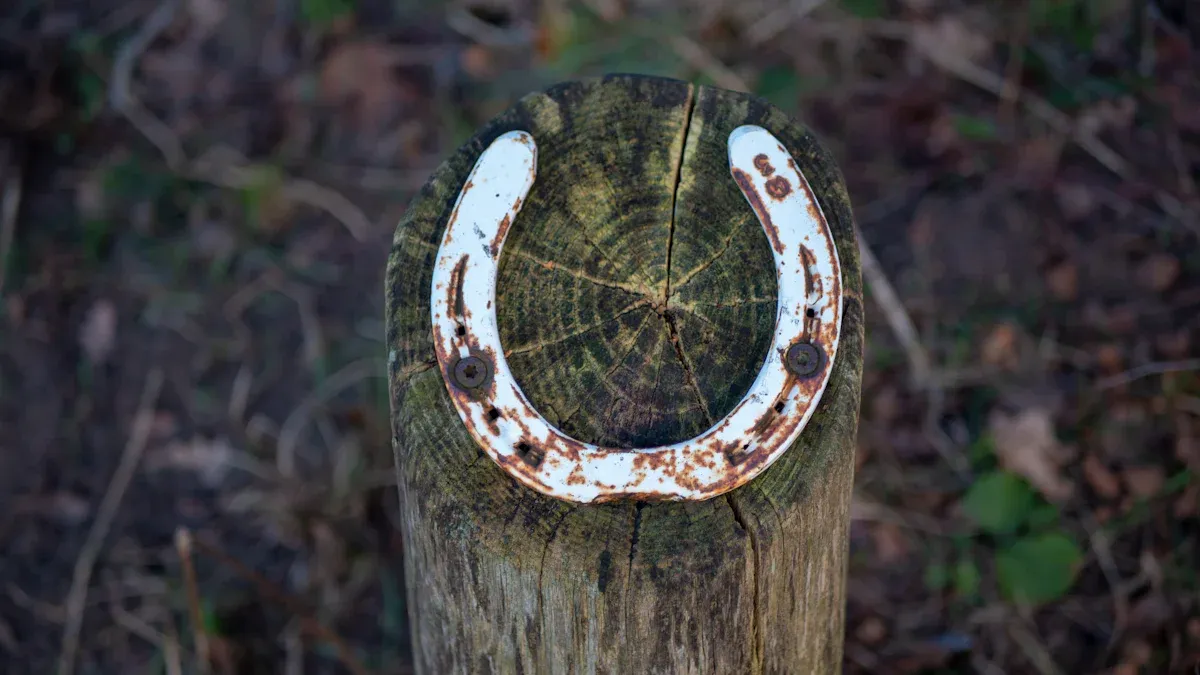
Picking the right horseshoe material is very important. It helps your horse stay comfortable and perform well. Steel and aluminum are the most common choices. Special designs are also available for unique needs.
Steel Horseshoes: Strong and Affordable
Steel horseshoes are tough and last a long time. They are great for horses working on rough ground or doing heavy tasks. These shoes protect hooves well and are not expensive.
The hoof care market keeps improving with new products. Steel horseshoes, hoof boots, and treatments are popular options. Steel shoes are still trusted because they are strong and cost less.
| Horseshoe Type | Features | Market Trend |
|---|---|---|
| Traditional Horseshoes | Made from steel or aluminum, very durable | Still widely used with updates |
| Hoof Boots | Easy to use, can be customized | Becoming more popular |
Aluminum Horseshoes: Light and Great for Speed
Aluminum horseshoes are light and help horses move faster. They put less strain on the legs, making them great for racing and jumping horses.
"A lighter shoe on one leg means less force is needed to move it compared to a heavier shoe on the other leg."
Studies show aluminum shoes weigh 24-30 ounces per pair. They help horses speed up better than steel shoes, which weigh 40-50 ounces. But aluminum shoes wear out quickly and need replacing often.
Specialty Horseshoes for Special Needs
Specialty horseshoes are made for specific problems or tasks. Some help injured horses, others improve grip on icy ground, and some fit oddly shaped hooves. Products like hoof dressings and supplements also help keep hooves healthy.
New ideas like 3D-printed and composite horseshoes are growing in popularity. These lighter, custom-made shoes are great for horses with special needs. They provide comfort and better performance.
Matching Horseshoes to Activity and Terrain
Trail Riding and Recreational Use
Pick strong and comfy shoes for trail riding. Horses walk on uneven paths, rocks, and dirt trails. Steel horseshoes are great for these tough surfaces. They protect hooves well and last a long time.
For softer ground, try lightweight aluminum shoes. They ease leg strain but still protect hooves. Shoes with extra grip can help on muddy or slippery trails. These make your horse feel more secure.
Competitive Sports and Racing
In sports and racing, speed matters most. Horses need shoes that help them move fast. Aluminum horseshoes are light and let horses run quicker. They also help horses take longer strides.
| Horseshoe Type | Weight Comparison | Performance Impact |
|---|---|---|
| Aluminum Sport Shoes | Lighter than steel | Helps horses move faster and stride farther |
| Steel Shoes | Heavier | May slow horses by increasing knee movement |
Steel shoes are strong but heavy, which can slow horses down. This makes them less ideal for racing. Ask your farrier to find the best shoes for your horse’s sport.
Adapting to Different Terrains
Different grounds need different horseshoes. Steel shoes are best for rocky or rough paths. Aluminum shoes work well on soft or sandy areas.
For icy or slippery places, use shoes with studs or extra grip. These features stop slipping and keep your horse safe. Always think about where your horse walks most to pick the right shoes.
Thinking About Hoof Health When Picking Horseshoes
Solving Common Hoof Problems
Your horse’s hoof health matters when choosing horseshoes. Issues like cracks, white line disease, or laminitis can harm hooves. Horseshoes can help fix these problems. For example, a study showed copper-alloy horseshoes improved hoof health in 80.8% of cases. The white line damage dropped a lot, proving these shoes work well.
| Study Results | Details |
|---|---|
| Hoof Problem | White line infections |
| Horses Studied | 7 horses with white line infections |
| Treatment Used | Copper-alloy horseshoes, no daily treatments |
| Improvement Seen | 80.8% of hooves looked healthier |
| White Line Damage | Dropped from 40-79% to 10-39% |
Fixing hoof problems early keeps your horse happy and active. Talk to your farrier to find the best solution for your horse’s needs.
Why Hoof Trimming Matters
Trimming hooves is key to keeping them healthy and fitting shoes right. It helps hooves stay balanced and work properly. Without trimming, hooves grow unevenly, causing pain or injury.
- Trimming spreads weight evenly across the hoof.
- It lowers stress on the frog and other parts.
- It makes horseshoes fit better and work well.
Shoes also affect how the hoof wall and heel move under weight. Regular trimming balances this, keeping hooves in great shape.
Customizing Shoes for Your Horse
Every horse has different hoof shapes and sizes. Custom horseshoes improve how hooves touch the ground, helping movement and performance. Studies show custom shoes lower injury risks by fitting hoof shapes better.
- Custom shoes improve how hooves work during movement.
- They reduce stress on hooves during tough activities like running.
- They fix uneven wear, keeping hooves healthy longer.
When looking for metal horseshoes, check for ones you can customize. This ensures your horse gets the best fit and support for their hooves.
Working with a Farrier
A farrier helps keep your horse’s hooves healthy. They fit horseshoes and give advice on hoof care. Teaming up with a farrier ensures your horse gets great care.
Questions to Ask About Horseshoe Choices
Ask questions to learn about the farrier’s skills and methods. Here are some helpful questions:
- How fast can you replace a lost horseshoe?
- Have you ever had a horse go lame after shoeing? How did you fix it?
- Do you work with vets when needed?
- How do you make sure the horse stays comfy during shoeing?
These questions show how experienced the farrier is. A good farrier talks openly and works well with horses and owners.
How Horseshoes Are Fitted
Fitting horseshoes takes skill and care. Robert Eustace from the Laminitis Clinic says:
"The heart bar shoe needs to be made and fitted exactly."
Farriers trim hooves to keep them balanced and spread weight evenly. They shape the shoe to match the hoof’s size and shape. This helps hooves work better and avoids pain. Studies show frog supports help 90% of horses with laminitis feel better.
Building Trust with Your Farrier
Working well with your farrier helps your horse stay healthy. Farriers notice small hoof changes that owners might miss. Talking often lets them adjust care based on your horse’s needs.
- Good teamwork builds trust and helps everyone learn more.
- Farriers and vets can work together for better hoof care.
- Open talks help with decisions about costs and treatments.
By teaming up with your farrier, you create a plan for your horse’s health. This teamwork leads to stronger hooves and a happier horse.
Picking the right metal horseshoes keeps your horse healthy and active. Think about what your horse does, where they walk, and their hoof health. Here’s an example:
| Activity Type | Horseshoe Type | Benefits |
|---|---|---|
| Dressage | Steel shoes with a wide web | Gives strong support and balance |
| Jumping | Steel shoes with studs | Improves grip for safe landings |
| Racing | Lightweight aluminum shoes | Makes running faster and easier on the legs |
- Good horseshoes help your horse perform better and stay healthy.
- Ask a farrier for help choosing and fitting the right shoes.
🐴 A good horseshoe fit keeps your horse comfy and ready to go!
FAQ
What is the best way to clean metal horseshoes?
Use a stiff brush to remove dirt and debris. For stubborn grime, soak the horseshoes in warm water and scrub gently.
How often should you replace your horse’s metal horseshoes?
Replace them every 4-6 weeks. This depends on your horse’s activity level, hoof growth, and the wear on the shoes.
Can horses go barefoot instead of wearing metal horseshoes?
Yes, some horses can go barefoot. This depends on their hoof health, activity type, and terrain. Consult your farrier for advice.
🐴 Tip: Regular hoof care and maintenance ensure your horse stays comfortable and healthy!