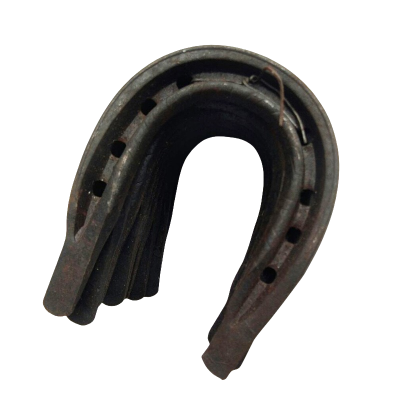

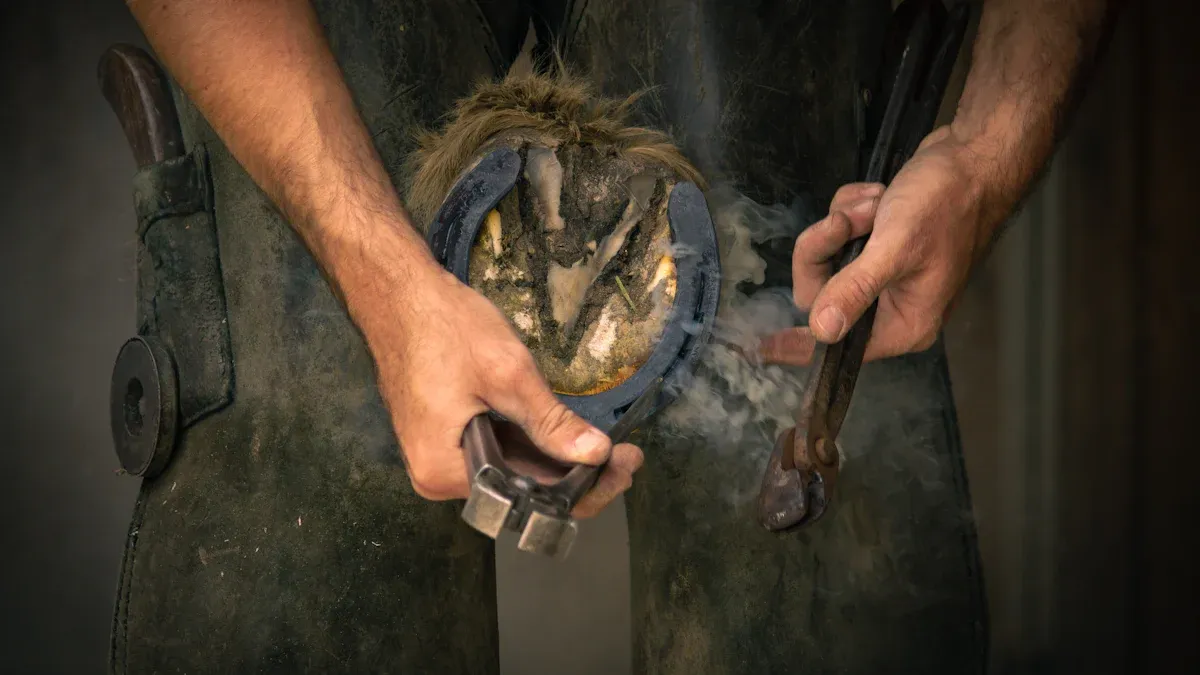
Horseshoe nails for sale are special nails designed specifically to attach horseshoes. Their unique shape ensures they stay securely in place, preventing the horseshoe from slipping or falling off. Unlike regular nails, horseshoe nails have a slanted tip that keeps them away from sensitive hoof areas, ensuring the horse remains comfortable. In addition to their primary use, these nails are also utilized in various other tasks such as carpentry and crafting. For example, carpenters often use horseshoe nails to hold glass in wooden frames, while lumberjacks may use them to create hooks for measuring tapes. If you're looking for horseshoe nails for sale, their versatility makes them valuable for a range of jobs.
Key Takeaways
- Horseshoe nails are made to keep horseshoes in place safely.
- They are different from normal nails in shape and material.
- These nails are strong and used in woodwork, furniture, and crafts.
- Placing the nails correctly protects the hoof and avoids injuries.
- Horseshoe nails are seen as symbols of strength and good luck.
What Are Horseshoe Nails?
Definition and Purpose
Horseshoe nails are special nails made to attach horseshoes. They keep the horseshoe in place while protecting the horse's hoof. These nails are not like the ones used for daily tasks. They are shaped differently to meet the needs of farriers.
The slanted tip helps the nail go into the hoof wall safely. It avoids hurting the soft parts inside the hoof. This design keeps the horse comfortable while wearing the horseshoe. Horseshoe nails also help the horseshoe stay balanced and steady. This makes it easier for the horse to walk on different surfaces.
Tip: If you're new to farriery, pick strong horseshoe nails for better hoof care.
How They Differ from Regular Nails
Horseshoe nails are not the same as regular nails. First, their shape is unique. Regular nails are flat or round, but horseshoe nails are wedge-shaped. This shape helps them hold the hoof wall tightly.
Another difference is the material. Horseshoe nails are made from strong high-carbon steel. This makes them tough enough to handle the horse's weight and movement. Regular nails are often made from softer metals like aluminum.
Lastly, how they are made is different. Horseshoe nails are carefully forged to be strong and even. Regular nails are made quickly without much detail. These differences make horseshoe nails important for farriers and other special uses.
Note: Knowing these differences helps you pick the right nail for your job, whether it's for horses or a DIY project.
Unique Features of Horseshoe Nails
Shape and Design
Horseshoe nails have a special wedge-like shape. This shape helps them hold the hoof wall tightly. The slanted tip makes sure they go in at the right angle. It also avoids hurting the soft parts of the hoof.
These nails come in many sizes and shapes. Farriers pick the size based on the horse's hoof and shoe type. Bigger nails work for heavy horseshoes, while smaller ones fit lighter shoes.
Tip: Choose the correct size and shape for the best results.
Materials and Manufacturing
Horseshoe nails are made from strong high-carbon steel. This material keeps them from bending under the horse's weight. It also helps them stay in place during movement.
The nails are made with great care through precision forging. Each nail is shaped to meet strict quality rules. They are tested to handle tough conditions, unlike regular nails.
Fun Fact: Some nails have a special coating to stop rust and last longer.
Durability and Strength
Horseshoe nails are very strong and long-lasting. Their steel material helps them handle pressure and movement without breaking. This is important for horses walking on rough surfaces.
These nails stay strong even in bad weather like rain or snow. They are reliable for farriers and other jobs because of their toughness.
Note: Taking care of horseshoe nails can make them last even longer.
Horseshoe Nails in Farriery
Securing Horseshoes
Horseshoe nails are important for keeping horseshoes attached to hooves. Their rectangular shape stops them from twisting in the nail holes. This keeps the horseshoe steady while the horse moves. The nail's slanted point avoids soft hoof areas, lowering the chance of injury.
| Characteristic | Description |
|---|---|
| Shape | Rectangular shape stops twisting, keeping horseshoes secure. |
| Point | Slanted point avoids soft hoof areas, preventing injuries. |
| Forging | Easier to make than round nails, useful before mass production. |
Horseshoe nails have changed a lot over time. Records show nailed horseshoes were used as early as AD 900. By the 13th century, iron horseshoes became common, and blacksmiths worked hard to meet demand.
Tip: Check nail placement to keep the horseshoe balanced and secure.
Ensuring Hoof Protection
Good nail placement protects the hoof by reducing harm and keeping it stable. Research shows copper-coated nails lower hoof damage compared to steel ones. Copper fights bacteria, so daily cleaning isn't needed, making it a smart choice for hoof care.
"Fewer vibrations mean less harm to hooves, tissues, and joints. Nails placed near the heel may cause more harm by stopping force from spreading."
Picking the right nail and horseshoe material also helps reduce hoof vibrations. Aluminum horseshoes absorb vibrations better than steel ones, which is helpful for racehorses.
Maintenance and Replacement
Taking care of horseshoe nails helps them work well. Check nails often for rust or wear, especially if the horse walks on rough ground. Replace broken nails quickly to keep the horseshoe tight.
Copper-coated nails last longer because they resist rust and bacteria. Their strength makes them a good choice for farriers.
Note: Always have extra nails ready for quick replacements during hoof care.
Horseshoe Nails for Sale and Their Uses in Other Fields
Construction and Carpentry
Horseshoe nails are not just for horseshoes. They are also useful in building and woodworking. Their wedge shape and strong material make them great for tough jobs. Carpenters use these nails to hold glass in wooden windows. The sharp tip helps the nail fit tightly, keeping the glass steady.
In building work, these nails are great for holding things firmly. Lumberjacks use them to make hooks for measuring tapes. These hooks grab logs well but let go easily when needed. This shows how horseshoe nails can be used in many different ways.
Did you know? Horseshoe nails are sent to over 73 countries. The United Kingdom, Brazil, and France use 51% of them. This shows how popular they are in many industries.
Furniture Making and Decoration
Furniture makers like horseshoe nails because they hold things tightly. They keep furniture parts together, even under pressure. The sharp tip helps place the nail without breaking the wood. This makes them a top choice for making strong furniture.
Horseshoe nails are also used for decoration. Their old-fashioned look is great for vintage furniture and art. They can be used as designs on wood or in creative projects. These nails are both useful and stylish.
Crafting and Special Tools
Horseshoe nails are important for crafting and making special tools. Their strength makes them good for tools that need to last. For example, they are used to make hooks and small tools that need a strong grip.
Making horseshoe nails takes several steps to ensure quality. Steel wire is cut, shaped, and heated to make it stronger. Then, the nails are polished or coated to stop rust. This makes them last longer for many uses.
Tip: When buying horseshoe nails, think about their many uses. They are strong and can add a cool look to creative projects.
Relevance of Horseshoe Nails Today
Traditional Practices
Horseshoe nails have been important for many years. Around 1000 AD, bronze horseshoes with nail holes were used in Europe. By the 13th century, horseshoes were made in large numbers and often mentioned in writings. These nails helped protect horses' hooves, especially for working animals like farm horses and warhorses.
Farriers used horseshoe nails to attach shoes that helped horses walk on rough ground. The special design of the nails kept them secure and reduced hoof damage. This was crucial for keeping horses healthy and ready for work in farming, travel, and battles.
Fun Fact: In medieval times, horseshoe nails were so valuable that blacksmiths reused and traded them.
Modern Applications
Horseshoe nails are now used in many industries, not just farriery. Their strong build and shape make them useful for different tasks, such as:
- Carpenters use them to hold glass in wooden windows.
- Lumberjacks make hooks for measuring tapes with these nails.
- Furniture makers use them to keep furniture sturdy and long-lasting.
Crafters and toolmakers also like these nails for their strength and look. They are great for making decorations or special tools. If you need horseshoe nails for sale, their many uses make them a smart choice for any project.
Cultural and Symbolic Significance
Horseshoe nails are seen as symbols of good luck and protection in many cultures. People use them to make lucky charms or decorative items. Their link to horses and farriery represents strength and toughness.
Today, artists and crafters use horseshoe nails in jewelry and sculptures. These creations honor the history and skill behind these small but important tools. Whether for practical jobs or creative projects, horseshoe nails continue to inspire and connect us to tradition.
Horseshoe nails are important in farriery and other fields. Their rectangular shape keeps horseshoes steady, protecting the horse's hooves. They are also used in woodworking, crafting, and logging, showing their many uses. In 1835, a machine was invented to make 60 horseshoes an hour. This invention showed how they adapted to modern needs.
Fun Fact: Horseshoe nails have been around since AD 900. By the 13th century, they were widely used, proving their lasting value in both old and new industries.
Their strength, special design, and long history make them useful even today.
FAQ
What makes horseshoe nails special compared to regular nails?
Horseshoe nails have a wedge shape and slanted tip. This helps them hold horseshoes tightly without hurting the hoof. Regular nails are not shaped for this job and can't be used for farriery.
Can horseshoe nails be used again?
It’s not a good idea to reuse horseshoe nails. Once taken out, they lose strength and might not hold well. Always use fresh nails for better safety and hoof care.
How do you pick the right horseshoe nail size?
Choose the size based on the horse's hoof and shoe. Bigger nails are for heavy shoes, and smaller ones fit light shoes. Ask a farrier if you’re unsure.
Do horseshoe nails resist rust?
Some horseshoe nails have coatings like copper or zinc to stop rust. These coatings make them last longer and protect them from moisture. Check the product details before buying.
Why do crafters like using horseshoe nails?
Crafters love horseshoe nails for their strength and old-fashioned look. They are great for making hooks, jewelry, and decorations. Their unique design adds charm to creative projects.