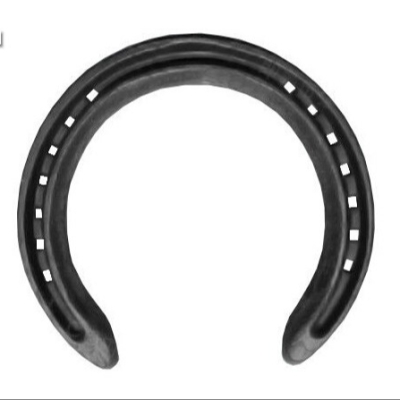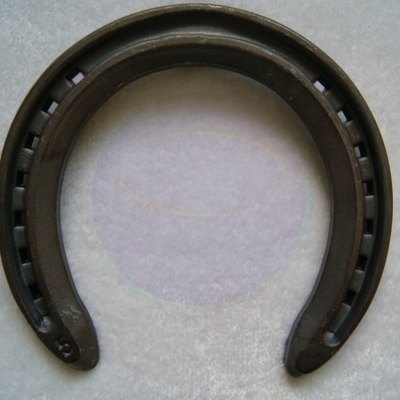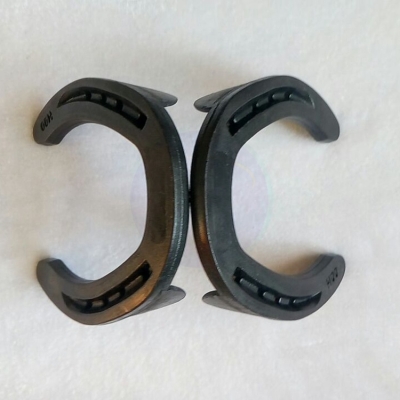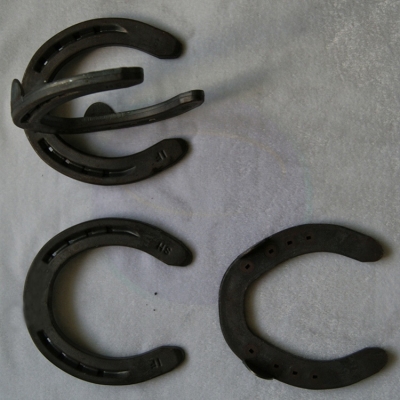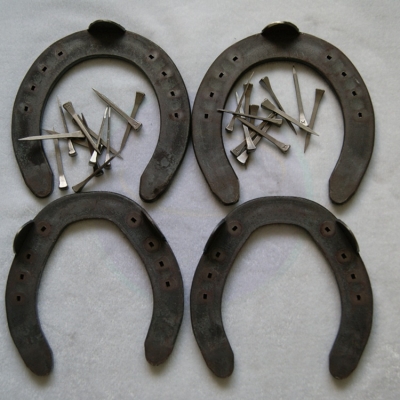

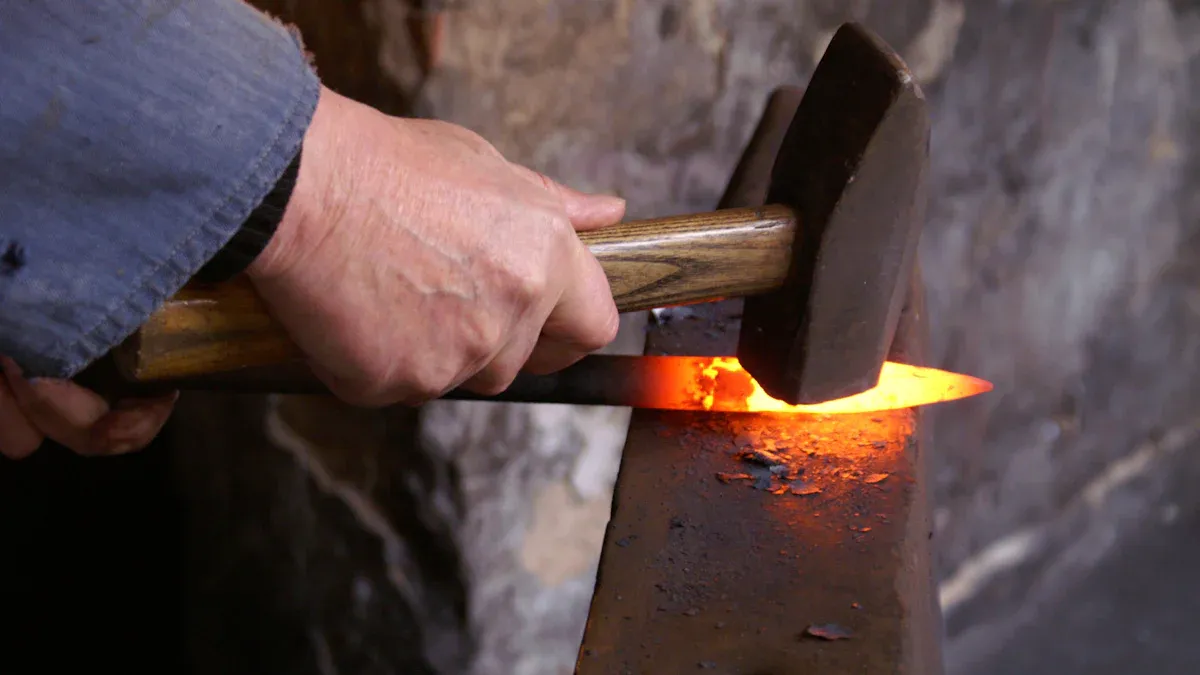
When selecting materials for forged steel horseshoes, understanding the differences between Q235 and Q195 steel is crucial. These steels contain varying amounts of carbon, which affects their performance. Q235 steel, with its higher carbon content, is stronger and more durable, making it ideal for forged steel horseshoes. In contrast, Q195 steel is lighter and more flexible, bending more easily. Your choice should depend on your horse's daily activities and the environment in which they work.
Key Takeaways
- Q235 steel is stronger because it has more carbon. It works well for hard jobs like walking on rocky ground.
- Q195 steel is lighter and bends more easily. It is better for daily use and casual riding. It also helps reduce stress on a horse's legs.
- Pick the right horseshoe based on your horse's job and where it works. Q235 is good for heavy work, and Q195 is better for light tasks.
- Both Q235 and Q195 horseshoes must fit properly. This keeps your horse safe and comfortable. Always ask a farrier to fit them correctly.
- Check horseshoes often for damage, especially Q235 ones. This helps them last longer and work well in tough places.
Properties of Q235 and Q195 Steel
Characteristics of Q235 Steel
Q235 steel is strong and reliable for many uses. It has more carbon, between 0.12% and 0.20%, which makes it tougher. Its yield strength is about 235 MPa, and its tensile strength is 370 to 500 MPa. This means it can handle heavy loads without bending.
It is also easy to weld, so it works well in manufacturing. For example, welding tests on 20 mm and 25 mm Q235 plates showed steady strength. This makes Q235 great for bridges, machines, and building projects.
Characteristics of Q195 Steel
Q195 steel is light and bends easily. It has less carbon, around 0.06% to 0.12%, which makes it softer. Its yield strength is about 195 MPa, and its tensile strength is 315 to 430 MPa. This makes it good for lighter tasks.
It works well in cold-forming, so it’s used for wires and small parts. It also welds easily, making it useful for many products.
Key Differences in Composition and Performance
Q235 and Q195 steel differ in strength and use. The table below shows these differences:
| Property | Q195 | Q235 |
|---|---|---|
| Carbon (C) | ≤ 0.12% | ≤ 0.22% |
| Silicon (Si) | ≤ 0.30% | ≤ 0.35% |
| Manganese (Mn) | ≤ 0.50% | ≤ 1.40% |
| Yield Strength | 195 MPa | 235 MPa |
| Tensile Strength | 315-430 MPa | 370-500 MPa |
| Applications | Wires, light parts | Bridges, machines |
Q235 is stronger and lasts longer, so it’s good for tough jobs. Q195 is softer and better for light, everyday items. Knowing these differences helps you pick the right steel.
Carbon Content and Its Effects
Carbon Levels in Q235 Steel
Q235 steel has a medium amount of carbon. This affects its strength and toughness. The carbon levels change slightly by grade. For example, Q235A has the most carbon at 0.22%. Q235B has 0.20%, while Q235C and Q235D both have 0.17%. These differences help manufacturers pick the right grade for specific uses, like making strong horseshoes.
| Grade | Carbon (C %) |
|---|---|
| Q235A | 0.22 |
| Q235B | 0.20 |
| Q235C | 0.17 |
| Q235D | 0.17 |
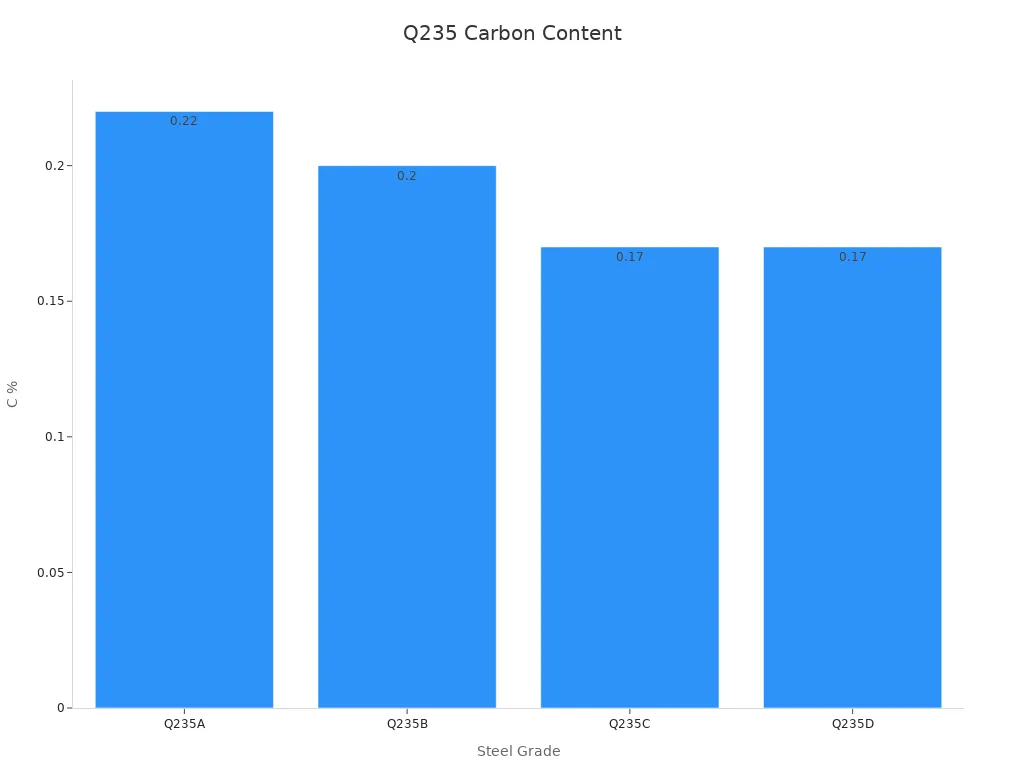
Q235A and Q235B have more carbon. This makes them stronger and better at handling wear. They are great for tough jobs, like horseshoes used on rough ground or for heavy work.
Carbon Levels in Q195 Steel
Q195 steel has less carbon than Q235. Its carbon level is between 0.06% and 0.12%. This makes Q195 softer and easier to bend. It is not as strong as Q235, but it is lighter and simpler to use in factories.
The lower carbon also helps Q195 work well in cold-forming. This is why it’s used for wires and small parts. For horseshoes, Q195 works for horses with light tasks or in easy environments.
Impact of Carbon Content on Steel Properties
Carbon levels affect how steel behaves. More carbon makes steel harder and stronger. It also resists wear better but becomes less flexible. Less carbon makes steel softer and easier to shape, but it won’t last as long under heavy use.
Studies show how carbon changes steel properties. For example:
| Study Title | Findings |
|---|---|
| Effect of Carbon Content on the Mechanical Properties of Medium Carbon Steels | Shows how carbon changes strength and hardness. |
| A statistical analysis of rotary friction welding of steel with varying carbon in workpieces | Explains how carbon affects strength during welding. |
| Improving the mechanical properties of medium carbon steel | Finds soaking time changes hardness and strength. |
For horseshoes, choose based on strength and flexibility needs. Q235, with more carbon, is tougher and lasts longer. It’s best for hard work or rough areas. Q195 is softer and lighter, good for easy tasks or daily use.
Strength, Flexibility, and Wear Resistance
Strength and Durability of Forged Steel Horseshoes
Q235 steel horseshoes are very strong and durable. The higher carbon in Q235 makes it tougher and able to handle heavy work. These horseshoes are great for farms or construction areas. They keep their shape even under a lot of stress. Q195 steel, with less carbon, is not as strong. It works better for light tasks where strength isn’t as important.
Flexibility and Lightweight Features
Flexibility is also important for horseshoes. Q195 steel is more flexible because it has less carbon. This makes Q195 horseshoes easier to shape for special hoof needs. They are also lighter, which reduces strain on a horse’s legs. This makes them good for daily use or casual riding. Q235 steel is less flexible but can handle heavy work without bending.
Wear Resistance and Longevity
Wear resistance shows how long a horseshoe lasts. Q235 steel, with more carbon, resists wear very well. It’s great for rough or rocky surfaces and lasts longer. If your horse works on uneven ground, Q235 is a good choice. Q195 steel wears out faster because it’s softer. But for horses on soft ground, Q195 horseshoes can still last a decent amount of time.
Tip: Pick horseshoes based on your horse’s work and environment for the best results.
Performance of Forged Steel Horseshoes

Q235 Horseshoes in High-Stress Conditions
If your horse works hard, Q235 horseshoes are strong and tough. They are great for rocky paths, farms, or building sites. The higher carbon in Q235 steel makes it harder to bend. These horseshoes are perfect for horses pulling heavy loads or working on rough ground.
Q235 horseshoes last a long time. They keep their shape and don’t wear out quickly. If your horse walks on rough surfaces often, these shoes will hold up well. Their strength helps your horse work safely and efficiently.
Note: Q235 horseshoes are best for horses doing tough jobs every day. They are strong and built to last.
Q195 Horseshoes for Everyday Use
For lighter work, Q195 horseshoes are a good choice. They are light and bend easily, making them great for casual rides or small farm tasks. The lower carbon in Q195 steel makes shaping them easier, which is helpful for special hoof needs.
Q195 horseshoes are gentle on your horse’s legs. They are comfy for daily use but don’t last as long on rough ground. If your horse stays on soft grass or smooth trails, Q195 horseshoes work well.
Tip: Pick Q195 horseshoes for comfort and flexibility. They are affordable and good for easy tasks.
Equine Comfort and Safety Considerations
Your horse’s comfort and safety are very important. Q235 horseshoes are heavier and might tire your horse if used too long. Q195 horseshoes are lighter and easier on your horse’s hooves, making them better for daily use.
The fit of the horseshoe matters a lot. Both Q235 and Q195 need to fit well to avoid pain or injury. A bad fit can hurt your horse’s hooves. Always ask a farrier to make sure the horseshoes fit properly.
Reminder: Choose horseshoes based on your horse’s work and comfort. A good fit keeps your horse safe and happy.
Choosing Between Q235 and Q195
Things to Think About for Forged Steel Horseshoes
When picking between Q235 and Q195 horseshoes, think about your horse's job. Horses doing hard work, like pulling heavy loads or walking on rocky ground, need Q235 steel. It is stronger, with a yield strength of 235 MPa, and works well in tough conditions. For lighter tasks or casual rides, Q195 steel is better. Its yield strength is 195 MPa, making it good for easier jobs.
The environment also matters. Q235 steel lasts longer on rough surfaces. It resists wear and stays strong. If your horse walks on soft grass or smooth paths, Q195 steel is a good choice. It is lighter and more flexible. Comfort and safety are important too. Q195 horseshoes are easier to shape, which helps them fit better and reduces strain on your horse's legs.
Best Jobs for Q235 Horseshoes
Q235 horseshoes are great for tough jobs. They work well on farms, construction sites, or rocky trails. The extra carbon and manganese in Q235 steel make it strong and long-lasting. These horseshoes keep their shape under heavy loads. If your horse carries heavy gear or works on rough ground, Q235 is the best option.
Best Jobs for Q195 Horseshoes
Q195 horseshoes are perfect for light work and daily use. They are easy to shape, so they fit your horse comfortably. These horseshoes are great for horses walking on soft ground or doing light tasks, like trail rides or small farm chores. Q195 steel is lightweight, which helps reduce stress on your horse’s legs and keeps them comfortable.
Tip: Choose horseshoes based on your horse’s work and where they walk. This ensures the best fit and comfort.
Picking between Q235 and Q195 steel horseshoes depends on your horse's job and surroundings. Q235 steel is stronger because it has more carbon. It works well for hard tasks and rough ground. Research shows Q235 lasts longer, even in tough weather like cold or wet conditions.
Q195 steel is softer and lighter, which makes it good for easy jobs or daily use. Its flexibility helps keep your horse comfortable and reduces leg strain. Think about your horse’s work and where they walk to choose the right horseshoes.
FAQ
Why is Q235 steel better for tough horseshoes?
Q235 steel has more carbon, so it’s stronger and tougher. It doesn’t bend easily and lasts longer. This makes it great for horseshoes on rocky paths or farms.
Can all horses use Q195 horseshoes?
Q195 horseshoes are best for horses with light jobs. They are soft and flexible, which helps reduce leg strain. But they wear out faster on rough or rocky ground.
How do I pick between Q235 and Q195 horseshoes?
Think about your horse’s work and where they walk. Use Q235 for heavy jobs or rough ground. Choose Q195 for light tasks or soft surfaces. Always ask a farrier to check the fit.
Do Q235 horseshoes need special care?
Q235 horseshoes are strong and need little care. Still, check them often for damage, especially if used on rough ground. This keeps them working well for longer.
Are Q195 horseshoes easy to reshape?
Yes, Q195 steel is softer and simple to reshape. This makes it good for horses with special hoof needs. A farrier can adjust them to fit perfectly.