
You can become a professional farrier if you like horses and working with your hands. This job makes people feel proud and offers steady work. Many people around the world need skilled farriers, and more are needed every year:
- The U.S. farrier market grows 5-7% each year because there are more horses and better tools.
- Horse owners in North America and Europe want more farrier services as they learn about hoof care.
- The global market for farrier products should keep growing until 2032.
No matter where you come from, if you like animals and using your hands, you can start this rewarding career.
Key Takeaways
- Being a farrier gives you steady work. You can feel proud because you help horses stay healthy. More people need skilled farriers now, especially in North America and Europe.
- To begin, finish high school or get a GED. Then, go to a farrier school. Get real experience by working as an apprentice.
- Farriers need to know hoof trimming and horseshoeing. They must talk well with horse owners and veterinarians. These skills are very important for doing well as a farrier.
- You can get certified by the American Farrier’s Association. This helps you look more professional and find better jobs. You can also focus on things like therapeutic shoeing to help your career.
- It is very important to have good client relationships. Always be on time and listen to what clients want. Stay professional to make your farrier business successful.
Farrier Career Overview
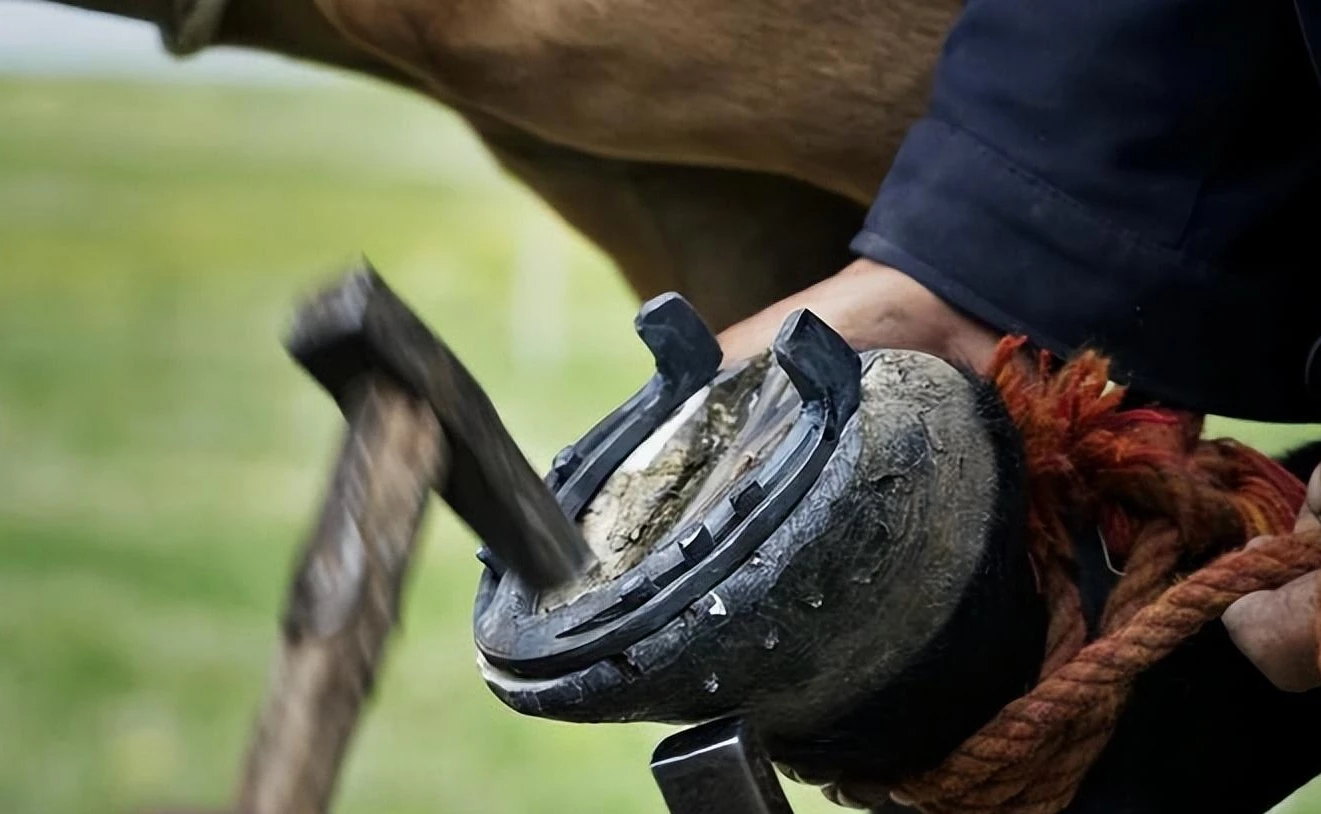
What Farriers Do
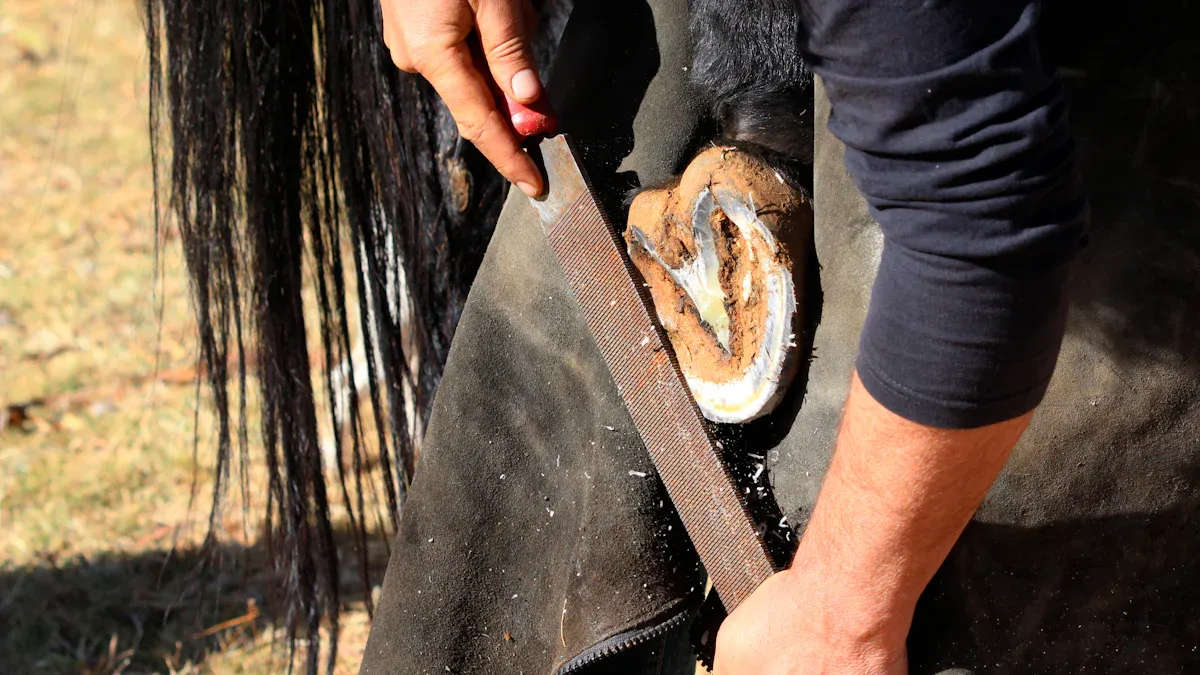
When you work as a professional farrier, you help horses stay healthy and comfortable. Your job is not just about putting on horseshoes. You do many important tasks every day. The table below lists the main things you will do:
| Responsibility | Description |
|---|---|
| Hoof Trimming and Maintenance | You trim horse hooves to keep them balanced and even. This stops problems like cracks and overgrowth. |
| Horseshoeing | You fit and put on horseshoes. This gives horses the support and protection they need. |
| Assessing and Addressing Hoof Issues | You find and fix hoof problems. You work with owners and veterinarians to help the horse. |
| Collaborating with Veterinarians | You team up with vets for special hoof care and treatment. |
| Educating Horse Owners | You teach horse owners how to care for hooves and prevent problems. |
| Maintaining Records and Schedules | You keep track of treatments and plan visits for regular care. |
Tip: Good farriers often become friends with horse owners and veterinarians. Working together helps horses stay healthy and active.
Key Skills
To be a professional farrier, you need both technical and personal skills. Here are the most important ones:
- Make sure a horse's foot is balanced.
- Use trimming tools safely and well.
- Pick and fit horseshoes for each horse.
- Know about horse anatomy and how their bodies work.
- Notice foot problems early.
- Talk clearly with horse owners and veterinarians.
- Organize your business and schedule.
You will use these skills every day. They help you fix problems, keep horses happy, and run your business well. If you like animals and want a hands-on job, these skills will help you do well as a professional farrier.
Become a Professional Farrier: First Steps
Prerequisites
You need to know some things before you start as a professional farrier. Most farrier schools and apprenticeships want you to have a high school diploma or GED. This helps you learn the science and math used in farriery. You should also feel safe around horses and be able to use tools.
Here is a table that shows the main ways you can learn:
| Educational Pathway | Description |
|---|---|
| Farrier School | Many people start by going to a farrier school. These programs are different lengths and have different quality. |
| Apprenticeship | You get experience by doing an apprenticeship. This training gives you real practice in the field. |
You will learn many things while you train, such as:
- Real practice with horsemanship, trimming, and shoeing.
- Learning how to do forging and welding.
- Classes about anatomy, physiology, and business management.
These skills help you get ready for a farrier’s daily work. They also help you feel sure when working with horses and fixing problems.
Tip: Start reading about horse care and hoof anatomy now. This will help you in your first classes and on the job.
Shadowing and Volunteering
Before you choose this job, spend time with horses and watch a farrier work. Shadowing a professional farrier lets you see what they do every day. You will see how farriers handle horses, use their tools, and talk to owners. This helps you decide if you want to be a professional farrier.
Volunteering at a stable or horse rescue gives you more practice. You will learn how to be safe around horses and see how they act. These activities show you how hard the job is and what skills you need.
Note: Many good farriers started by volunteering or shadowing. This step helps you meet people and learn what the job is really like.
If you like these experiences, you are ready for the next steps. You will feel more sure as you work to become a professional farrier.
Apprenticeships
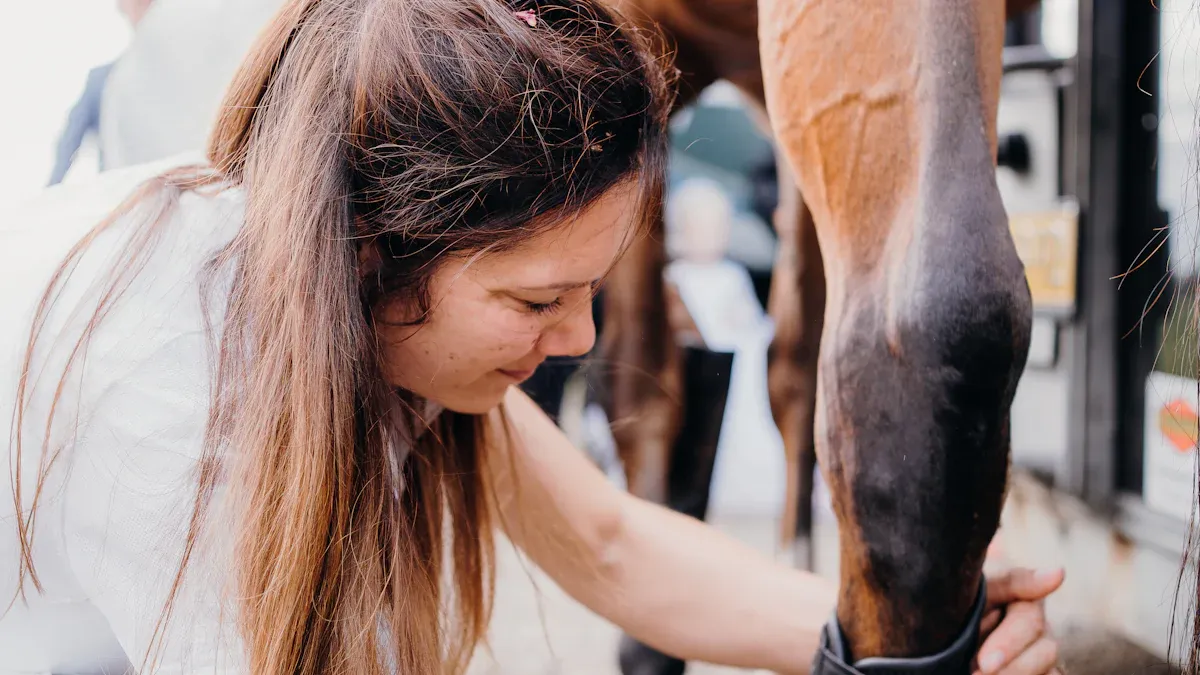
Apprenticeships are very important if you want to be a professional farrier. You work with a mentor who teaches you real skills. This hands-on training helps you learn what you need for the job. You practice trimming hooves, fitting shoes, and handling horses safely. You also watch how farriers run their businesses and talk to clients.
Finding Opportunities
There are many ways to find an apprenticeship:
- Watch a farrier at horse shows to see what they do.
- Meet people in the horse world. Many jobs come from people you know.
- Ask experienced farriers to be your mentors. They can help you find chances to learn.
- Join the American Farrier’s Association apprentice program.
- Make deals with older farriers for formal apprenticeships.
- Try short apprenticeships to learn shoeing and business skills.
These steps help you meet the right people and start your path to being a professional farrier.
Gaining Experience
You practice important skills every day during your apprenticeship. You begin with easy jobs like cleaning hooves and watching your mentor. As you get better, you start trimming, shoeing, and working at the forge. Many programs use skill tests to check your progress. This helps you learn each part of the job.
Most farriers learn through both school and apprenticeship. There is not just one way to train, but many schools say you should have at least 24 weeks of training before starting an apprenticeship. This is about 960 hours of hands-on work.
| Course Duration | Total Hours |
|---|---|
| 24 Weeks | 960 hrs |
You learn horsemanship and technical skills during this time. By the end, you feel ready to work with horses, fix hoof problems, and help your own clients.
Tip: Always ask questions and stay interested during your apprenticeship. You will learn something new every day that helps you become a better farrier.
Farrier Education
Farrier Schools
There are many farrier schools in the United States. These schools teach you with hands-on lessons and classroom work. Most programs last four to eight weeks. FARRIER U Horseshoeing School is four weeks long. Texas Horseshoeing School and Casey & Son Horseshoeing School both last six weeks. You learn basic skills and get ready to work with horses.
- FARRIER U Horseshoeing School: 4 weeks
- Texas Horseshoeing School: 6 weeks
- Casey & Son Horseshoeing School: 6 weeks
Tip: Short programs teach you the basics. Longer ones give you more practice and knowledge.
Course Content
Farrier schools cover many topics. You learn about horse anatomy and shoeing theory. You also study corrective techniques. You practice using tools and working at the forge. The table below shows how much time you spend on each part:
| Course Component | Hours |
|---|---|
| Lectures, Reading Assignments, and Demonstrations | 18 |
| Basic Anatomy | 12 |
| Introduction to Forge Work | 1 |
| Barn Demos | 5 |
| Horseshoeing | 90 |
| Handcrafting from raw steel | 15 |
| Professional Horseshoeing Course | 432 |
| Advanced Horseshoeing Course | 648 |
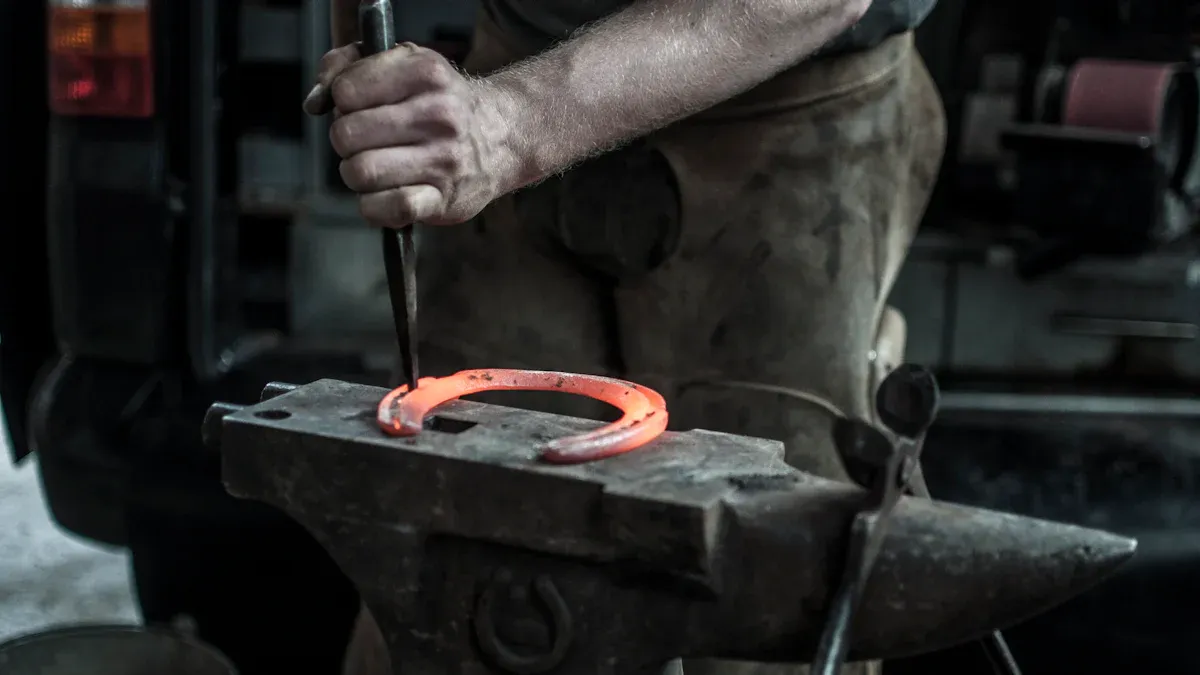
Most of your time is spent learning horseshoeing and advanced skills. You also get to practice handcrafting and watch barn demos. These lessons help you become a professional farrier and get ready for real work.
Choosing a Program
Pick a farrier school that works for you. Look for teachers with lots of experience. Talk to them and see if you like how they teach. Ask past students what they think. The table below shows what to check before you choose:
| Criteria | Description |
|---|---|
| Instructor Experience | Check if the teacher has lots of farrier and teaching experience. |
| Student Compatibility | Talk to teachers to see if their style fits how you learn. |
| Alumni Feedback | Ask past students about their time at the school. |
Note: A good school helps you learn faster and feel confident. Take your time to research before you decide.
Certification Pathways
AFA Certified Farrier
You can get the American Farrier’s Association (AFA) Certified Farrier title after you learn and practice. The AFA has high standards for farriers in the United States. You need at least one year of horseshoeing before you can apply. You must show what you know on written and hands-on tests. You also make a horseshoe display and talk about your choices to the examiners.
| Requirement | Description |
|---|---|
| Horseshoeing Experience | You need at least one year of horseshoeing experience. |
| Knowledge and Skill | You must show you can perform hoof care at a professional level. |
| Testing | You take written and practical tests. |
| Horseshoe Display | You make and explain a horseshoe display. |
Tip: Get ready for the AFA test by practicing shoeing, learning hoof anatomy, and asking skilled farriers for help.
APF Status
After five years of working as a farrier, you can try for Accredited Professional Farrier (APF) status. This title means you have strong skills and a good name in the field. Many farriers want APF status to show they are experts and care about their work. You build your skills by working with horses, taking classes, and meeting other farriers.
Note: APF status helps you get noticed and can help you find more jobs.
Specializations
You can pick a special area in farriery. Specializing lets you help horses with special needs and grow your job. Some farriers do therapeutic shoeing for horses with injuries or health problems. Others work with performance horses, do blacksmithing, or general farriery. Each area needs extra training, like more classes or apprenticeships.
| Specialization | Additional Training Required |
|---|---|
| Therapeutic Farriery | Formal education, apprenticeships |
| Performance Horses | Training in shoeing for performance horses |
| Blacksmithing | Courses in blacksmithing and forging techniques |
| General Farriery | Veterinary knowledge, business management skills |
| Certification | Optional AFA certification |
You can get advanced training at places like Texas Horseshoeing School or Five Star Horseshoeing School. Many farriers also learn from mentors and local programs.
Tip: Specializing lets you offer more services and helps you become well known in your area.
Inclusivity and Career Outlook
Diversity in Farriery
Farriers come from many different backgrounds in the United States. People of all genders and races can work in this field. Today, just as many women as men become farriers. Most farriers are White, but there are also Black or African American farriers and others. The table below shows how many farriers are in each group:
| Gender | Percentage |
|---|---|
| Female | 50% |
| Male | 50% |
| White | 85% |
| Black or African American | 7% |
| Other | 4% |
You do not need to grow up with horses or know someone in the field. Farrier schools and apprenticeships let anyone join if they want to learn. If you love horses and like working with your hands, you can do well as a farrier.
Physical Demands
Being a farrier is hard on your body. You have to lift heavy tools and bend over a lot. Doing the same moves again and again can make your muscles tired. Horses can sometimes kick or bite, and you might get hurt by metal pieces or burns. You work in places that can be dusty, noisy, or dark. You might hear loud machines and breathe in smoke from welding. Wearing safety gear and learning safe ways to work can help keep you healthy.
- You use your muscles to lift and bend.
- You work in places that are loud and dusty.
- You protect yourself from getting hurt by horses.
- You wear gloves and glasses to stop burns and splinters.
- You use masks so you do not breathe in bad fumes.
Tip: Stretch before and after you work. Take breaks to rest your body and stay safe.
Job Prospects
There are many jobs for farriers, and more are coming. The need for skilled farriers keeps going up. In the next ten years, jobs for farriers could grow by 28%. This means there could be over 100,000 new jobs in the country. Farriers can make good money, especially if they work full-time. In 2019, full-time farriers made about $116,486 each year. In 2017, they made $102,203. Part-time farriers made about $25,000 a year. If you get more experience, you can earn more. A farrier with five to nine years of work can make about $75,000 each year.
Note: Being a farrier is a steady job that lets you grow. You can start your own business and help horses stay healthy.
Business Setup
Starting Out
You need the right tools and a plan to start your farrier business. Essential equipment helps you work safely and efficiently every day.
"If you’re going to shoe every day, you need those tools to make the job easier."
Basic farrier tools include:
- Hoof tester
- Rasp
- Farrier’s knife
- Hoof stand
- Hoof nippers
- Horseshoe pullers
- Nailing hammer
- Nail clincher
- Clinching block
- Portable anvil
- Portable forge
- Hoof gauge
"To go out and shoe a horse, you basically need an anvil, a rounding hammer, a knife, a nipper or some kind of cutting tool, rasp, some nails and a driving hammer. That’s what new farriers need."
You also need to plan for business expenses. The table below shows common yearly costs for a new farrier business:
| Expense Type | Cost per Year | Cost per Horse |
|---|---|---|
| Transportation (van/shoeing truck) | $8,333.33 | $19.80 |
| Health Insurance | $3,000.00 | $10.56 |
| Care, Custody & Control Insurance | $12,000.00 | N/A |
| Liability Insurance | $25,000.00 | N/A |
| Truck Insurance | $3,000.00 | N/A |
| Comprehensive on Equipment | $1,500.00 | N/A |
| Workman's Compensation | $1,200.00 | N/A |
| Office Expenses | $2,600.00 | N/A |
| Advertising & Marketing | $5,000.00 | $4.25 |
Marketing
You need to attract clients to grow your business. Good marketing helps people learn about your services.
- Embrace storytelling to connect with horse owners.
- Use social media to show your work and join the community.
- Share customer testimonials to build trust.
- Offer educational tips about hoof care.
- Work with local businesses for cross-promotion.
- Attend horse events and workshops to meet new people.
- Use search engine optimization (SEO) to appear in online searches.
- Create eye-catching flyers and business cards.
- Keep your website and social media pages professional.
- Invest in learning new marketing skills.
- Make high-quality graphics for your ads.
Tip: Visit stables and training centers to introduce yourself. Leave flyers and business cards so people remember you.
Client Relations
Strong client relationships help your business succeed. You need to show clients that you care about their horses and value their trust.
- Arrive on time for every appointment.
- Show your skills and explain your work.
- Focus on your best clients and meet their needs.
- Listen to client concerns and remember their preferences.
- Set clear payment terms and stick to them.
- Send thank you notes or small gifts to show appreciation.
- Host client appreciation events to build loyalty.
Effective communication helps you set boundaries and stay professional. Tell clients how and when they can reach you. This keeps your work organized and your clients happy.
Note: Keep learning and find a mentor to help you grow. Good service and professionalism will help you keep clients and build your reputation.
You can become a professional farrier by following these steps:
- Get your high school diploma or GED.
- Attend a farrier school.
- Gain hands-on experience.
- Consider certification.
- Invest in your tools.
- Keep learning new skills.
You will find satisfaction in your work as you help horses and build strong client relationships. Many farriers enjoy teaching, showing honesty, and planning for a long career. Start today by researching schools or meeting a local farrier. Your journey can make a real difference.
FAQ
How long does it take to become a professional farrier?
You can become a professional farrier in about one to two years. You need to finish a farrier school program and complete an apprenticeship. Some people take longer if they want extra training or certifications.
Do I need a license to work as a farrier?
Most states do not require a license for farriers. You should check your local laws. Many farriers choose to get certified by groups like the American Farrier’s Association to show their skills.
What tools do I need to start as a farrier?
You need basic tools like a hoof knife, rasp, nippers, hammer, anvil, and hoof stand. Many farriers also use a portable forge. Start with quality tools to work safely and do a good job.
Can women become farriers?
Yes! Women work as farriers all over the world. You can succeed in this field if you have the right training and skills. Many schools and mentors welcome women who want to learn.
Is farriery dangerous?
Farriery can be risky. Horses may kick or move suddenly. You use sharp tools and work with hot metal. Always wear safety gear and follow safe work habits to protect yourself.