

Samples / approval responsibility
A useful approval records the exact sample, the requirement, the check and the decision. Visual acceptance, measured compliance and the commercial decision to order should stay distinct.
The short version
Say what was approved, and what remains open.
Approval should say what was checked
A short message saying the sample looks good can move a project forward, but it can also leave the buyer and supplier with different ideas about what has been approved. One person may mean the finish. Another may read it as acceptance of the complete product, including dimensions, material, marking and packaging. The solution is not necessarily a longer email. It is a clearer approval record.
For a horseshoe order, that record should connect the actual sample with the agreed requirement, the checks performed, the result and the decision. It should also identify what has not been checked. This article describes a purchasing workflow that can be adapted to the item. It is not evidence that a particular RELIA sample has passed a test, and it does not prescribe universal inspection limits.
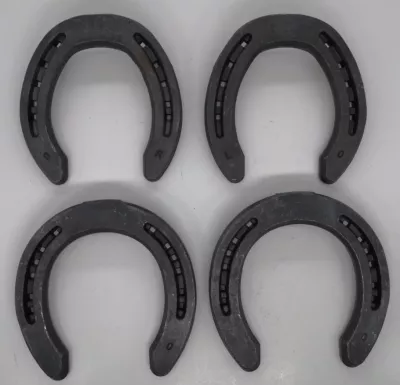
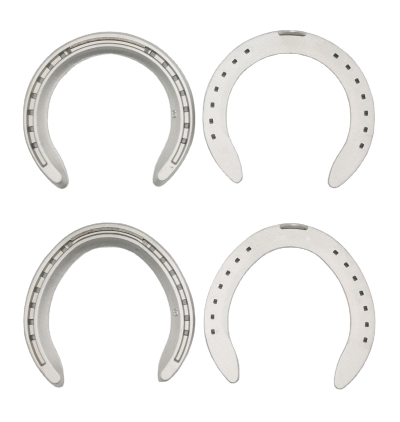
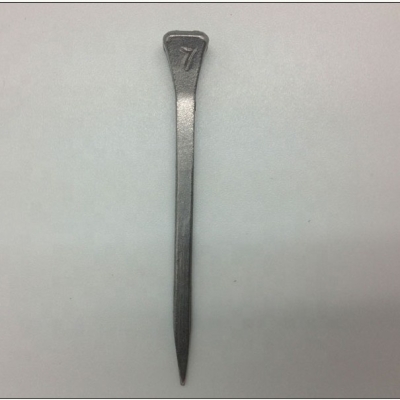
RELIA's forged steel wholesale model and its LP-G4G7 aluminum listing are examples of distinct catalog starting points. An E5 nail listing is a different type of item again. Each needs its own identified reference rather than one approval note for every product in the enquiry.
Give the sample an identity that survives the conversation
Record the supplier, product link or item code, model, variant and date received. For a horseshoe, add the size and front or hind designation where relevant. For a nail, record the series and stated size. If a drawing governs the sample, include its revision. Give the physical sample a matching reference so someone can connect it to the record after the original email thread has become difficult to follow.
Photograph the item with its identification and retain the relevant packing or labels. The photograph should help locate the sample, not act as proof of all its dimensions or material properties. If several similar samples are being reviewed, identify each one separately instead of relying on their position on a desk.
When the sample has been supplied as a proposed change to an existing item, record both references and describe the intended change. This makes it clear whether the evaluation concerns a replacement, an additional option or a new design.
Write down the requirement before recording the result
A measured value is difficult to interpret without a requirement to compare it with. For each check, identify the characteristic, required value or reference, agreed tolerance where applicable, method and result. If the requirement has not been agreed, mark it as unresolved rather than deciding a pass or fail against an unstated expectation.
For dimensions, specify where and how the measurement is made. For appearance, identify the accepted reference and the relevant views or areas. For material, state which designation and evidence are required. For packaging, identify the pack configuration and labeling requirements. These categories can sit in one record while remaining separate decisions.
Do not adopt another buyer's limits merely because they make the form look complete. The useful inspection plan is the one that reflects your selected product and agreement. If your team needs help defining a requirement, raise that question before the sample review is used to authorize production.
The structure of a useful approval record
An instructional record outline, not a completed inspection or certification form.
- Identify
- Sample, variant, supplier reference and drawing revision.
- Require
- Characteristic, agreed requirement and method.
- Observe
- Measured result or relevant visual observation.
- Support
- Appropriate image or document tied to the sample.
- Decide
- Approved scope, outstanding change and reviewer responsibility.
Separate visual, dimensional and documentary checks
Appearance review can identify finish, visible marks and the presentation of a logo. Dimensional review compares the actual item with defined measurements. Documentary review checks the required material, process or test information. Passing one category should not silently close the others.
For example, an attractive aluminum sample does not establish its alloy designation. A clear nail-series marking does not by itself establish every dimension or compatibility with a particular shoe. A management-system certificate supports a different part of supplier evaluation and does not replace the acceptance criteria for the physical item.
Record who performed each part of the review and the scope of that person's assessment. This is useful even in a small purchasing team. It prevents the next reader from assuming that a colleague who approved packaging also approved a technical feature. Where professional assessment is needed for intended use, keep that assessment distinct from the commercial decision to order a quantity.
Keep the review lanes separate
Passing one lane does not silently close the others.
Visual
Appearance, finish and the identified reference.
Dimensional
The agreed measurement points and limits.
Documentary
The material or test evidence required for this item.
Commercial
The decision to order and the separately agreed terms.
Product references
Product links identify catalog examples; they do not confirm current stock or an approved specification.
Make photographs useful to someone who was not there
A good issue photograph explains the concern rather than merely proving that a photograph was taken. Include an overall view that identifies the item, then a closer view of the relevant area. If a dimension or position is being discussed, provide the measurement record and a suitable scale or orientation in the image where useful. Avoid relying on an extreme close-up that hides which part is shown.
Label the image with the sample reference and the feature under review. If the concern is appearance, use lighting and views that allow a reasonable comparison with the accepted reference. Do not manipulate the image to exaggerate or conceal a mark. Keep the original file alongside any annotated copy used for discussion.
Photographs support the record, but they do not replace measurements or appropriate tests. A picture of a ruler near a product may help communicate a question; it should not automatically be treated as a controlled measurement of a critical feature.
Include the mating item when compatibility is being reviewed
Some questions cannot be answered by looking at one component in isolation. When evaluating a nail with a shoe, identify both items. When evaluating a stud, record the mating threaded component and the agreed thread details. If the matching item changes later, the earlier evaluation should not be assumed to cover the new combination.
Keep the purpose and limits of the review visible. A trial assembly may answer a particular interface question, but it is not automatically a material test, a service-life assessment or a universal suitability conclusion. Agree which characteristics and methods are relevant to the actual order.
Assessment of an individual horse and shoeing arrangement should remain with an appropriately qualified farrier. The purchasing record organizes product identity and approval; it is not a substitute for fitting advice. Avoid turning a narrow compatibility observation into a broad claim about safety or performance in every application.
Use decisions that make open points impossible to miss
The decision field should explain whether the item is accepted as reviewed, needs a change, requires additional evidence or is not accepted. If only some aspects are approved, state exactly which ones. A conditional approval should not become a blanket production authorization merely because the email subject contains the word approved.
List the required action, its owner and the reference to be updated. If a dimension must change, update the drawing. If the finish must change, update the appearance reference. If a label needs correction, identify the artwork version. Confirm whether another sample or document review is needed before the open point can be closed.
Do not use a sample approval form to quietly change commercial terms. Development charges, production timing, minimum quantities and shipping arrangements should be confirmed in the appropriate agreement. The technical approval and the decision to place an order should support each other without becoming interchangeable.
Control a revision without losing the reason for it
Once a change is agreed, give the revised requirement an identifiable version. Link the new sample to that version and retain the record of what changed. A simple revision note can explain whether the change affects geometry, material, finish, marking or packaging, and which earlier approval it replaces.
Before bulk production, check that the purchase order, drawing and approved sample all point to the same version. If one document still references an earlier item, resolve that discrepancy rather than assuming everyone knows which one was intended. This is especially important when the commercial buyer and technical reviewer are different people.
For tooling projects, also confirm whether the change affects the agreed development work or tooling terms. The answer depends on the design and process; it should be reviewed rather than inferred. RELIA's tooling and engineering guide outlines the information to bring to that discussion.
Keep the record useful after the first order
The approved sample should help the receiving team recognize the agreed item, but it should not be the only record available to them. Provide the specification, revision, relevant images and acceptance notes alongside the purchase order and packing information. Make any limits of the original approval clear.
When the shipment arrives, compare the goods using the agreed inspection plan. If an issue is reported, identify the requirement and the observed difference, and preserve the relevant samples and packing. The original approval record can then help the buyer and supplier investigate what changed without reconstructing the entire project from memory.
A repeat order should refer to the same controlled record unless a change has been approved. If the new order uses different packaging, marking or material, review that change explicitly. An old sample should not be used as a convenient explanation for a new specification that nobody has actually accepted.
Use a small record with complete decisions
Your approval record does not need to be a complicated software system. A well-organized document can include sample identity, governing references, checks and results, supporting images, open points, decision and approval responsibility. The practical test is whether another competent person can tell what was reviewed and what production is expected to follow.
Send RELIA the product reference and explain what the sample needs to demonstrate. If your organization already uses an inspection or approval template, share it early so the required information can be discussed with the quotation. Confirm sample charges and delivery arrangements for the actual request rather than assuming a general policy.
The Samples & Approval page provides the shorter checklist; the Quality Control page explains how acceptance criteria connect to an order, and the Incoming Inspection guide covers receipt records. Together, they support one continuous purchasing decision instead of separate, conflicting descriptions of the same product.
Catalogue References Used in This Article
These links identify the examples discussed above. Confirm the selected variant, specification and packing for the actual order; a catalogue description is not a test result or a live stock confirmation.
Bring the Next Decision to the Team
Send your product reference, quantity, destination and the questions still open. A drawing or identified sample helps us discuss the actual requirement.