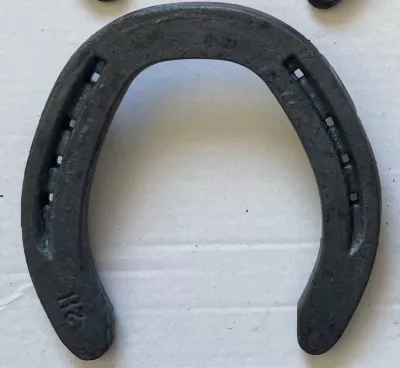

When you choose farrier horseshoes designed for trail and endurance riding, focus on what your horse needs most. Look at the terrain, distance, and your horse’s comfort. Your farrier helps you pick the right fit. Great shoes boost safety and performance. You make every ride smoother and more enjoyable.
Key Takeaways
- Pick horseshoes that match where you ride. Rocky trails need shoes with more grip. Soft ground is better with lighter shoes.
- Check your horse's hooves often for health problems. Finding cracks or bruises early can stop bad injuries.
- Talk clearly with your farrier. Tell them about your riding and your horse's needs. This helps get the best shoe fit.
Key considerations
Terrain
You face many types of terrain on the trail. Some paths are rocky, others are sandy, muddy, or hard-packed. Each surface affects your horse’s comfort and safety. Rocky trails need shoes with extra grip and protection. Soft ground may call for lighter shoes that do not sink. Hard surfaces can bruise hooves if you do not choose the right shoe. When you pick farrier horseshoes designed for trail and endurance riding, always match the shoe to the ground you ride on most. This helps your horse stay sure-footed and happy.
Hoof health
Healthy hooves are the foundation for every ride. Trail and endurance horses often face common hoof problems. The right horseshoe can help prevent or manage these issues.
| Hoof Health Issue | Description |
|---|---|
| Lost Shoes | Shoes come off, often from changes in ground or hoof shape. |
| Hoof Wall Cracks | Cracks can be small or deep, and may cause pain. |
| Hoof Sole Bruises | Hard ground or bad shoeing can bruise the sole. |
| Hoof Abscesses | Infections that hurt and need care. |
| Hoof Thrush | Bacteria attack the frog, causing discomfort. |
| Navicular Disease | Affects the navicular bone, leading to pain. |
| Laminitis | Serious swelling inside the hoof, needs quick attention. |
| White Line Disease | The hoof wall separates, which can lead to infection. |
Distance
Long rides put more stress on your horse’s feet. If you plan to cover many miles, you need shoes that last and protect. Lightweight shoes help your horse move easier and save energy. Durable shoes prevent wear and tear over time. Always think about how far you plan to go before you choose your horse’s shoes.
Climate
Weather changes how shoes perform. Hot days can make your horse overheat. Cold weather can tighten muscles and slow your horse down. Humidity makes it harder for your horse to cool off, which can lower stamina. Wind can help or hurt, depending on its direction. When you select shoes, think about the climate where you ride.
| Climate Factor | Impact on Performance |
|---|---|
| Temperature | High heat risks overheating; cold can tighten muscles. |
| Humidity | Makes cooling harder, risking overheating and less stamina. |
| Wind | Headwinds slow you down; tailwinds help; crosswinds affect balance. |
Tip: Always talk to your farrier about the weather and ground where you ride. This helps you get the best fit for your horse.
Types of farrier horseshoes for trail and endurance riding
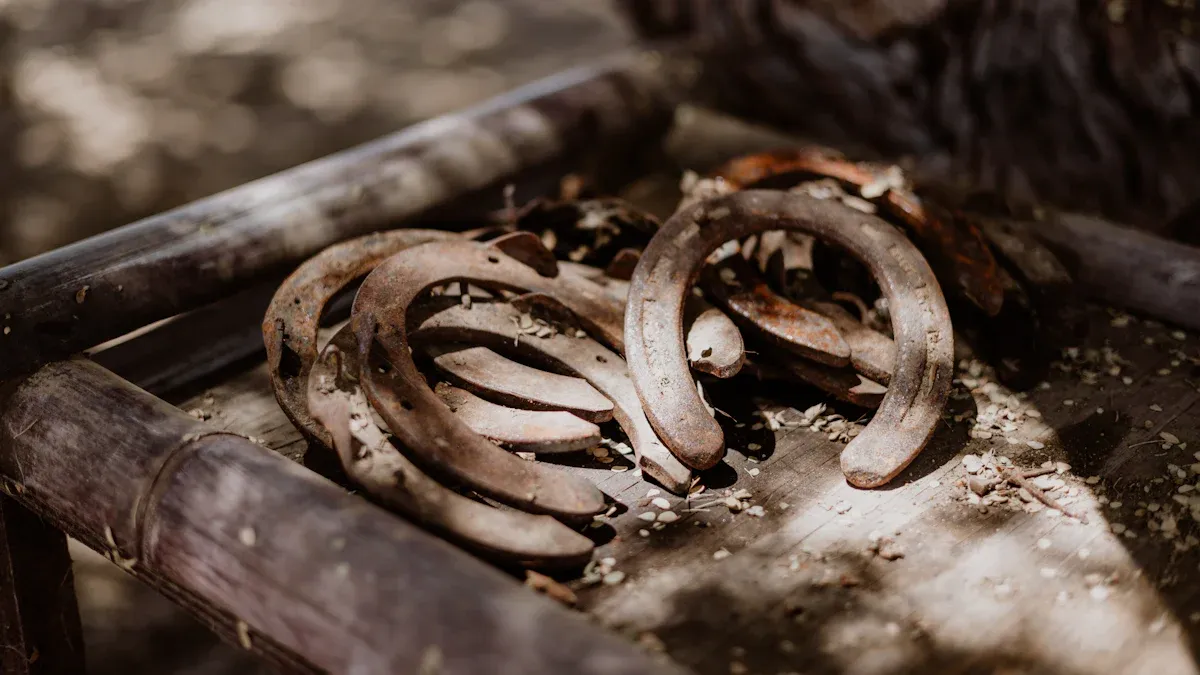
Choosing the right horseshoe can make a big difference for your horse on the trail. Let’s look at the most common types you’ll see and how they stack up for trail and endurance riding.
Steel shoes
Steel shoes are the classic choice. You see them on many horses because they last a long time and cost less than some other options. They work well if you ride on rocky or rough trails and need something tough.
| Advantages | Disadvantages |
|---|---|
| Exceptional Durability | Heavier Weight |
| Long Lifespan | Less Flexibility |
| Cost-effective |
Steel shoes give you great durability and a long lifespan. You can count on them to hold up over many miles. But they do weigh more than other types. This extra weight can make your horse tire faster, especially on long rides. Horses may also feel less comfortable because steel does not flex much with the hoof. If you want something that lasts and you ride on tough ground, steel shoes might be a good fit. Just remember, the weight can add up over time.
Tip: If you ride long distances, think about how the weight of steel shoes might affect your horse’s energy and comfort.
Aluminum shoes
Aluminum shoes are much lighter than steel. Many riders pick them for trail and endurance events because they help your horse move easier and stay fresh.
- Aluminum shoes are about half the weight of steel, so your horse feels less tired after a long ride.
- They absorb shock better than steel, which helps protect your horse’s legs and joints.
- The high damping ability of aluminum reduces the impact on your horse’s limbs, lowering the risk of injuries and making each step smoother.
You might notice your horse moves more freely with aluminum shoes. They are a great choice if you want to reduce fatigue and keep your horse comfortable over many miles. However, aluminum shoes may wear out faster than steel, especially on rocky trails.
Composite shoes
Composite shoes are a newer option. They use materials like plastic or rubber to give your horse a softer, more flexible ride. Many riders love them for trail and endurance because they combine comfort and grip.
- Composite shoes, like Eponas, cushion your horse’s feet and make long rides more comfortable.
- Glue-on composite shoes offer excellent shock absorption, which helps prevent soreness.
- Some designs, such as EasyShoe Performance Glue, support the frog and let the hoof move naturally.
- These shoes last through a full trim cycle (about 3 to 6 weeks) and work well for many riding styles.
- Composite shoes grip better on wet or muddy trails and mimic the way a barefoot hoof moves.
- Studies show composite shoes give better braking and grip on rocky surfaces than steel.
You get a shoe that supports your horse’s natural movement and keeps them steady on tricky ground. If you want a mix of comfort, grip, and flexibility, composite shoes are worth a look.
Glushu shoes
Glushu shoes are a special type of glue-on aluminum shoe with a flexible coating. They combine the lightness of aluminum with extra comfort from the coating. You don’t need nails, so they work well for horses with sensitive or damaged hooves.
Glushu shoes help reduce concussion and protect the hoof wall. The flexible coating adds grip and shock absorption. If your horse has thin hoof walls or you want to avoid nails, Glushu shoes offer a gentle solution. They are popular for horses that need extra care or have trouble with traditional shoes.
Hoof boots
Hoof boots are like sneakers for your horse. You put them on when you ride and take them off afterward. Many riders use them for trail and endurance because they protect the hoof and give great traction.
Experts say hoof boots, such as Cavallo Trek Hoof Boots, work well on hard ground. They help your horse grip the trail and spread out the force of each step. This can keep your horse’s feet healthier and reduce pain. Hoof boots also protect horses with hoof wall problems or soreness. Studies show horses wearing hoof boots have longer contact with the ground, which helps cushion each step and may even help with healing.
| Metric | Booted Horses | Non-Booted Horses |
|---|---|---|
| Finish Rate at Tevis Cup (2012) | 69% | 41% |
Hoof boots help spread weight across the hoof, lowering stress and preventing injuries. Many top endurance riders now use them. You can remove them after your ride, which lets your horse’s hooves breathe and stay healthy.
Note: Farrier horseshoes designed for trail and endurance riding now include many choices, from steel to hoof boots. Talk with your farrier to find the best match for your horse and your favorite trails.
You have more options than ever before. Farrier horseshoes designed for trail and endurance riding can help your horse stay comfortable, safe, and ready for adventure.
Essential features
When you pick farrier horseshoes for trail and endurance riding, you want your horse to be safe and comfortable. The right shoes help your horse handle any challenge. Let’s look at the most important features.
Traction
Traction keeps your horse from slipping on the trail. Shoes with good grip help on rocks, mud, or wet ground. Some horseshoes have special parts for better traction.
- Borium and pin studs help your horse grip rocky or slippery trails.
- Plain shoes can slip on pavement unless you add borium or caulks.
- Abrasives on shoes help your horse stay steady on slick ground.
- Pin studs stick out a bit and get sharper as your horse walks, so they keep working well.
If you ride on different types of ground, ask your farrier about these features. Good traction means your horse slips less and feels more confident.
Tip: Shoes with extra grip keep your horse safer on hard trails. You can relax and enjoy your ride without worrying about slipping.
Weight
The weight of the shoe is important. Heavy shoes make your horse tired faster, especially on long rides. Lighter shoes help your horse move easier and save energy.
Aluminum and composite shoes are lighter than steel. Urethane shoes, like EasyShoe Speed, are light and help with grip. Hoof boots are also a light choice. When you use lighter shoes, your horse feels better after a long day.
Note: Lightweight shoes are great for endurance riding. Your horse can go farther and use less energy.
Shock absorption
Long rides can make your horse’s legs and hooves sore. Shoes that absorb shock help protect your horse from pain and injury. You want shoes that cushion each step and lower the impact.
| Feature | Benefit |
|---|---|
| Seated Toe Area | Lowers pressure and helps hoof health by stopping sole contact. |
| Reinforced Toe | Makes the shoe last longer and keeps it working well. |
| Heat-Treated Forged Aluminum | Light and strong, good for horses that work hard. |
| No Wear Plate | Lets the hoof wear down naturally and keeps balance as it grows. |
| Training & Competition | Helps horses finish faster and feel less tired on long rides. |
Many hoof boots use shock-absorbing materials. These boots keep your horse comfortable, even on rough or hard trails. Shoes with a seated toe area or reinforced toe also protect your horse’s feet and keep them healthy.
Durability
Durable shoes last longer and protect your horse’s hooves over many miles. You want shoes that can handle rough ground and changing weather. The material and design decide how long your shoes last.
Composite horseshoes with a metal core last longer than pure urethane shoes. Standard horseshoes use softer synthetic material for flexibility and shock absorption, even in cold weather. Extra horseshoes use harder synthetic material for heat resistance and better abrasion resistance in hot conditions. Urethane shoes, like EasyShoe Speed, last through a full trim cycle and can be used again.
How you ride, the ground you cover, and your horse’s habits all affect how long shoes last. Ask your farrier which shoes work best for your favorite trails.
Fit
Fit is the most important thing. Shoes that fit well keep your horse comfortable and stop injuries. You need to know your horse’s body shape, how it moves, and if it is sound. The type of ground you ride on also matters.
- Learn your horse’s shape and how it moves.
- Watch your horse walk and trot to see if there are problems.
- Think about the trails you ride—rocky, sandy, or uneven ground needs special care.
A good fit lets your horse move naturally and stay healthy. Work with your farrier to check the fit and make changes if needed.
Reminder: The right fit helps your horse do better and stay happy on every ride.
Light and cushioned shoes make long rides easier for your horse. You get more miles, less tiredness, and a happier horse on the trail. When you focus on traction, weight, shock absorption, durability, and fit, you help your horse do well with farrier horseshoes for trail and endurance riding.
Farrier horseshoes designed for trail and endurance riding: working with your farrier
Communication
Talking with your farrier helps your horse feel good. You should always share what you know about the trails you ride. Tell your farrier if the ground is rocky, sandy, or muddy. Each type of trail needs different shoe features. Watch your horse walk before shoeing. If you see a limp or uneven step, let your farrier know. Learning about the sport helps you talk better with your farrier. This way, your farrier knows what your horse faces.
| Strategy | Description |
|---|---|
| Learn The Sport | Knowing about endurance riding helps your farrier fix hoof problems. |
| Pay Attention To Fit And Traction | Knowing the ground helps you pick the right shoe fit and grip. |
| Watch The Horse Move | Watching your horse move shows if it is sound and what it needs. |
Tip: Bring notes or photos from your rides. Your farrier will like having more details.
Fit and adjustment
The right fit keeps your horse safe and happy. Check old shoes for wear marks. These marks show how your horse moves. They also show where changes might help. Ask your farrier to check the fit before and after rides. If your horse seems sore or trips, tell your farrier right away. Regular checkups help find problems early.
| Best Practice | Description |
|---|---|
| Check wear patterns | Look at old shoes to see how your horse moves and where to change things. |
| Ensure proper shoe fit | Ask your farrier to make sure the shoes fit and work for your horse’s activities. |
| Maintain hoof health | Have regular checkups to keep hooves healthy and stop pain. |
Maintenance
Keep your horse’s shoes clean and in good shape. Clean hooves after every ride. Look for loose nails or worn spots. If you see a problem, call your farrier soon. Set up regular visits, even if things look fine. Farrier horseshoes for trail and endurance riding need care to last longer and keep your horse happy.
Remember: Working well with your farrier means safer and more fun rides for you and your horse.
Mistakes to avoid
Choosing the right horseshoes for trail and endurance riding can feel tricky. You want your horse to stay safe and comfortable. Here are some common mistakes you should watch out for:
Ignoring terrain
You might ride on rocky hills, muddy paths, or sandy stretches. If you ignore the type of ground, your horse could slip or get sore feet. Always match the shoe to the main terrain you ride. Shoes with extra grip help on rocks. Lighter shoes work better in soft sand. Your horse will thank you for paying attention to the ground.
Tip: Take notes on your favorite trails. Share them with your farrier for the best shoe advice.
Overlooking hoof health
Healthy hooves keep your horse moving strong. If you skip regular checks, small problems can turn big fast. Cracks, bruises, or thrush need quick care. Always look at your horse’s hooves before and after rides. If you spot anything odd, call your farrier soon.
Wrong material
Picking the wrong shoe material can cause trouble. Some materials wear out too fast or make your horse uncomfortable. Check out this table to see how different materials affect your horse:
| Material Type | Effect on Longevity | Effect on Safety |
|---|---|---|
| Composite | May lead to abnormal abrasion initially | Can cause discomfort if not adapted |
| Steel | High durability and familiar sliding behavior | Generally safe for various terrains |
Steel shoes last longer and work well on many trails. Composite shoes feel softer but may wear down quickly or cause discomfort if your horse is not used to them. Always talk with your farrier about the best material for your horse and your riding style.
Skipping checks
You might feel tempted to skip a shoe check if everything looks fine. This can lead to loose shoes, sore feet, or even injuries. Make shoe checks part of your routine. Clean hooves after every ride. Look for worn spots or loose nails. Quick checks keep your horse happy and ready for the next adventure.
Remember: Small steps each day help you avoid big problems later.
Quick guide
Checklist
Ready to pick the best horseshoes for your trail or endurance ride? Use this checklist to make sure you cover all the important points:
- 🗺️ Check your main terrain: Rocky, sandy, muddy, or mixed?
- 🦶 Inspect hoof health: Look for cracks, bruises, or soreness.
- 📏 Measure for fit: Make sure shoes match your horse’s hoof shape.
- ⚖️ Pick the right material: Steel, aluminum, composite, Glushu, or hoof boots?
- 🏋️ Think about weight: Lighter shoes help on long rides.
- 🛡️ Look for shock absorption: Protect your horse’s legs and joints.
- 🏁 Plan for distance: Choose shoes that last for your ride length.
- 🌦️ Consider climate: Hot, cold, wet, or dry conditions?
- 👀 Check traction: Make sure shoes grip well on your usual trails.
- 🧑🔧 Talk to your farrier: Share your notes and ask for advice.
- 🔄 Schedule regular checks: Inspect shoes and hooves after every ride.
Tip: Print this checklist and keep it in your tack room. You can use it before every big ride!
Flowchart
Here’s a simple flowchart to help you decide which horseshoe might work best for your horse:
Start
  |
  v
What terrain do you ride most?
  |-- Rocky/Hard --> Need extra grip and durability? --> Steel or hoof boots
  |-- Sandy/Soft --> Want lightweight shoes? --> Aluminum or composite
  |-- Mixed/Variable --> Need flexibility? --> Composite or hoof boots
  |
  v
Does your horse have hoof issues?
  |-- Yes --> Sensitive hooves? --> Glushu or hoof boots
  |-- No --> Continue
  |
  v
Long rides planned?
  |-- Yes --> Choose lightweight and durable shoes
  |-- No --> Standard shoes may work
  |
  v
Talk to your farrier for the final choice!
Remember: Your farrier knows your horse best. Use this flowchart as a guide, but always ask for expert help.
You want your horse to feel good on every ride. Farrier horseshoes for trail and endurance riding help keep your horse safe and comfy. Talk to your farrier about trimming, shoe fit, and the ground you ride on.
- Custom shoeing helps stop injuries and fits your horse’s needs.
- Good trimming keeps hooves healthy.
Use the quick guide, ask your farrier questions, and enjoy every trail with confidence!
FAQ
What is the best horseshoe for rocky trails?
You want steel shoes or hoof boots for rocky trails. They give your horse extra grip and protect hooves from sharp rocks.
How often should you check your horse’s shoes?
Check your horse’s shoes after every ride. Look for loose nails, worn spots, or anything odd. Quick checks help prevent bigger problems.
Can you use hoof boots for long rides?
Yes! Hoof boots work well for long rides. They protect hooves, add comfort, and you can take them off after your ride.