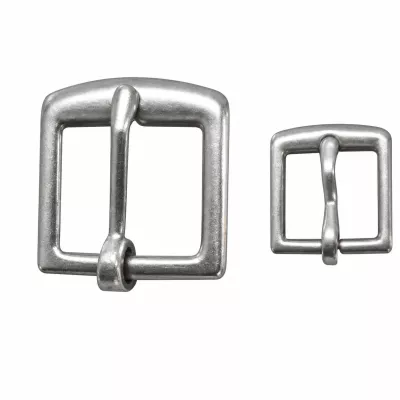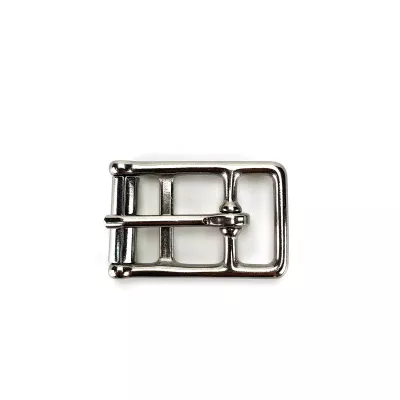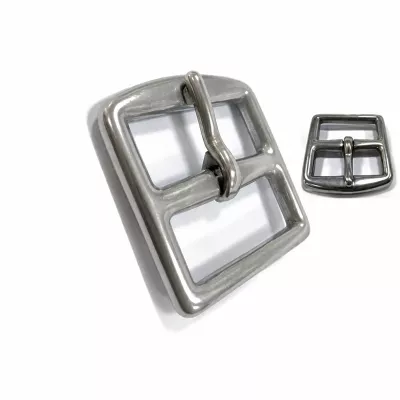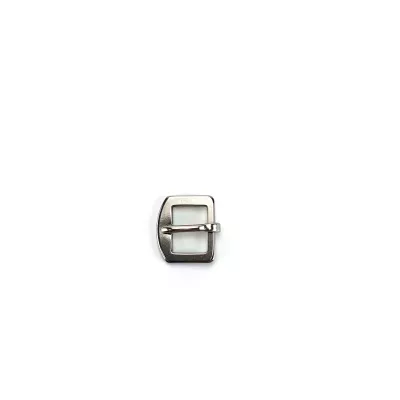

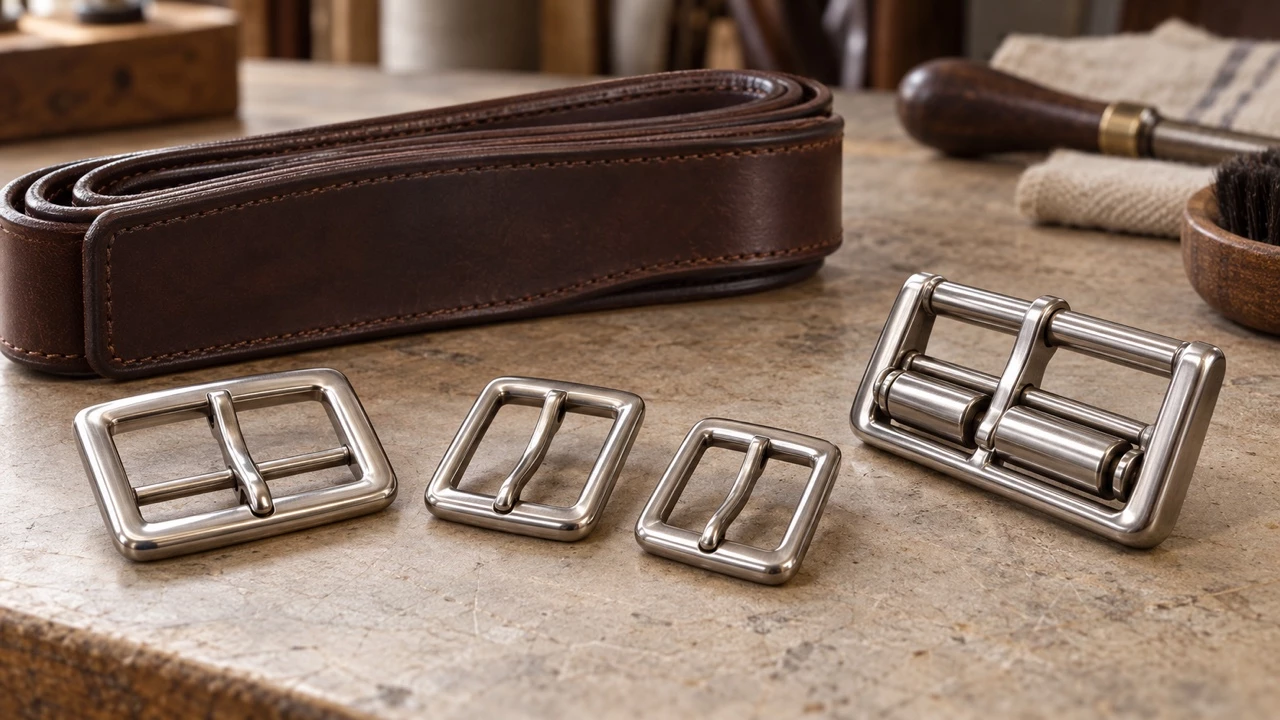
Bridle, halter and girth buckles are small components, but a mismatch in strap width, frame shape or finish can create returns, assembly delays and confusing catalogue records. Importers, tack wholesalers and equestrian retailers can reduce those problems by turning a product page into a clear, comparable request for quotation (RFQ). This guide explains the checks to make before samples and purchase orders. It uses RELIA Metalparts catalogue listings as examples; a listing is a starting point, not a substitute for a confirmed drawing, sample or written order specification.
1. Define the job the buckle must do
Start with the item where the buckle will be used: a bridle, halter, girth, breastplate, spur strap or another tack assembly. The application tells the buyer which strap, adjustment range, direction of pull and assembly method need review. Do not assume that two buckles are interchangeable because both are described as “saddlery” or have a similar outline in a photograph.
Write down whether the buckle is intended for a new product design or to replace an existing component. For a replacement, provide the original part number if available, photographs from more than one angle, and the dimensions of the mating strap and attachment point. For a new design, share a drawing or a physical reference component. These references help the supplier assess fit without guessing from a product title.
2. Match the strap width to the buckle’s usable opening
“Buckle size” can refer to the strap width it accepts, the outer frame width, the inner opening, or a product’s nominal size. Make the measurement convention explicit. Record the clear internal width where the strap sits, the frame’s outside width, and the strap width and thickness. If the strap is folded, stitched, lined or reinforced at the buckle, measure the assembled section rather than only the flat leather.
RELIA lists Model 8040 as belt buckles in 13 mm, 16 mm, 19 mm and 25 mm sizes. Model 8041 is listed in 12 mm, 16 mm, 19 mm and 25 mm sizes. Those published size options help identify the models to ask about, but buyers should confirm the supplier’s measurement definition and the opening that is available for their intended strap. Do not convert a nominal size into a guaranteed fit without checking the actual geometry.
For a repeatable RFQ, specify the target strap width and thickness, the measurement tolerance if one has been agreed, and whether a small amount of clearance is required. If several widths are needed, list each width as a separate line item. A table prevents a supplier from interpreting “assorted sizes” differently from the buyer.
3. Check frame shape, tongue and roller details
Frame shape influences how the buckle sits against the strap and the finished tack. Buyers can request front, side and rear views, then confirm frame width, frame height, bar shape, corner radius and tongue position against the intended design. A tongue that is too long, too short or shaped differently from the existing keeper may change how the assembly closes. If the buckle includes a roller, confirm its location and dimensions and whether the strap path works with the intended construction.
RELIA Model 8029 is described as a cast stainless-steel girth buckle with a roller and is listed in 25 mm and 27 mm sizes. This identifies the product type and two catalogue sizes; it does not establish all frame dimensions or guarantee compatibility with a particular girth strap. Ask for the current drawing or a sample, and have the supplier confirm exactly what the listed size measures.
When an existing component is the reference, call out any features that must match and any features that may vary. A dimensioned sketch is useful for simple geometry. For a more complex profile, mark critical dimensions directly on a drawing and identify the revision used for the quotation.
4. Confirm material and finish in writing
Material wording should be specific enough for the buyer’s product record and market requirements. RELIA’s Model 8029 listing identifies cast stainless steel. Model 8041 is described as stamped stainless steel, and Model 8070 as stainless-steel saddlery buckles. The Model 8040 listing uses both “steel” and “stainless steel” wording in its product information. Buyers who need a particular alloy or material grade should ask RELIA to confirm the exact grade for the quoted version before treating it as established.
Separate base material from surface finish. Ask whether the requested appearance is a polished, brushed, plated, coated or other finish, and specify which visible surfaces matter. A silver appearance in a listing image alone does not prove a particular coating or corrosion performance. If corrosion testing, restricted-substance documentation or a named standard is needed for your market, identify the requirement and request evidence for the product being quoted.
Keep any claim in a catalogue or retail listing aligned with documents you actually hold. Do not add “marine grade,” a specific alloy number, a test result or a durability guarantee based only on a generic material label or photograph.
5. Distinguish stamped and cast constructions without assuming quality
Some listed RELIA models are described as stamped and others as cast. These process descriptions help buyers identify construction types for evaluation, but they do not by themselves establish strength, service life, quality level or suitability. Assess the part against its intended use and the buyer’s own acceptance criteria.
During sample review, inspect the agreed visible characteristics: edge condition, burrs, surface marks, symmetry, tongue movement and the way the strap passes through the frame. If the buckle has a roller, confirm that it turns as expected for the design. Record what is observable and avoid converting a visual check into a performance promise that was not tested.
If your business has a formal inspection standard, send it before order confirmation and ask the supplier to state whether it can be applied. Clarify who performs the inspection, when it occurs, what records are supplied and how nonconforming samples or production lots are handled. If there is no agreed test or acceptance plan, keep the requirement limited to concrete dimensions and sample characteristics that both parties can verify.
6. Create a sample approval record
Ask for a sample when fit or appearance cannot be decided from a drawing. Label the sample with the supplier model, requested size, date received and RFQ reference. Take photographs from the same angles for each candidate and note the measurement tools and units used. If a sample is approved, retain it or agree how it will be identified as the reference for production.
Use a simple status field for each requirement: confirmed by drawing, checked on sample, supplier confirmation pending, or not required. This is especially useful when the product page contains a size range but not a full dimension set. It prevents an unconfirmed value from being copied into a purchase order or customer-facing catalogue as though it were verified.
If the supplier revises a drawing or sample, keep the earlier record and mark the new version clearly. Any change to frame geometry, material, finish, strap opening, tongue or roller should be reviewed against the original need. A dated approval record helps purchasing, quality, product and warehouse teams work from the same reference.
7. Specify packing, marking and order units
Before comparing quotations, define what is being counted: individual buckles, sets, inner packs or cartons. State the quantity and unit on every line. Ask the supplier to identify the packing configuration and carton quantity in the quotation. Do not assume that retail packaging, barcode labels, multilingual inserts or a particular carton marking are included unless the quotation says so.
For private-label or branded products, provide the artwork and explain where the mark should appear. Confirm whether the requested mark is on the buckle, packaging or both, and ask what review or production information is available for the specific model. Branding and packaging options must be confirmed for the chosen order rather than inferred from another product.
Importers should also consider how the item will be identified after receipt. A carton label with model, size, finish and quantity can help warehouse teams distinguish variants. Agree the exact label fields and language before production if they are important to your receiving process.
8. Make the RFQ easy to compare
A useful RFQ gives each supplier the same information and asks for the same response fields. Include the application, reference model or drawing, strap width and thickness, desired buckle size, material or grade requirement, finish, sample request, order unit, quantity, packing needs and destination market. Ask the supplier to mark unavailable or unconfirmed details instead of substituting an assumption.
Request a quotation that separates the product description, quoted configuration, sample status, lead-time basis, packing details and any optional work such as custom marking. Commercial terms should be reviewed by the buyer and supplier for the specific transaction. This guide does not state prices, minimum order quantities or delivery commitments; those points must come from a current quotation.
When you compare offers, normalize the specifications first. A lower price may describe a different material, size convention, finish or packing unit. Record unresolved differences beside the quotation rather than ranking unlike items as equivalent.
RELIA saddlery buckle listings to review
- Model 8040: listed sizes 13, 16, 19 and 25 mm; confirm material wording and exact dimensions for the quoted version.
- Model 8029: described as a cast stainless-steel girth buckle with roller; listed sizes 25 and 27 mm.
- Model 8070: stainless-steel saddlery buckle listing; listed sizes 25, 29 and 32 mm.
- Model 8041: described as stamped stainless steel; listed sizes 12, 16, 19 and 25 mm.
For product information or a quotation, contact RELIA Metalparts through the contact options on the website. WhatsApp: +1 404 203 0971. Include the model, required strap width and thickness, destination market, estimated quantity and any drawing or reference photographs so the team can review the request. RELIA should confirm current specifications, material details, availability and commercial terms for each enquiry.
Buyer RFQ checklist
- Application and intended tack assembly
- Supplier model or buyer reference
- Strap width, thickness and construction at the buckle
- Requested buckle size and measurement convention
- Frame, tongue and roller details to confirm
- Material grade and finish requirements, where applicable
- Drawing or sample reference and approval owner
- Order unit, quantity, packing and marking requirements
- Destination market and requested supporting documents
- Open questions clearly marked for supplier confirmation
A precise RFQ helps buyers compare the same configuration and helps suppliers respond to the details that still need confirmation. Use the public RELIA listings to identify candidate models, then document the final dimensions and requirements with the supplier before ordering.