
Owning your first horse is exciting — but it also comes with big responsibilities. In Mexico, where the climate, land, and equestrian culture vary widely by region, it’s important to understand what horse ownership really involves. Whether you’re near Guadalajara, Monterrey, or the Yucatán, these 12 essential tips will help you start off the right way.
🧭 1. Define Your Goals Before Buying
Ask yourself: Why do I want a horse?
Is it for pleasure riding, charrería, trail riding, competition, or ranch work? Your purpose will determine the right type of horse, breed, and training level.
If you’re completely new, consider leasing or sharing a horse at a local stable for a few months before buying. This allows you to understand daily care, costs, and time requirements without full responsibility.
💰 2. Budget Realistically for Mexican Costs
The cost of a horse in Mexico can range from 15,000 to 150,000 MXN, but ongoing expenses are the real challenge.
| Item | Average Monthly Cost (MXN) |
|---|---|
| Hay, grain, and supplements | 1,000 – 2,500 |
| Stable / board / pasture rent | 2,000 – 4,000 |
| Farrier (every 6–8 weeks) | 600 – 1,200 |
| Vet care / vaccines / deworming | 300 – 800 |
| Equipment / grooming / tack maintenance | Variable |
| Lessons or trainer (optional) | 500 – 2,000 |
💡 Tip: Always keep an emergency fund — at least one month’s full cost — for unexpected illness or injury.
🏠 3. Choose the Right Horse for Your Experience
For beginners, temperament is more important than color or breed.
Select a horse that is calm, obedient, and already trained for basic handling.
Avoid young or “green” horses unless you have professional support.
In Mexico, many charro or ranch horses are strong but may be too reactive for new riders — always ask to see the horse under saddle before buying.
A pre-purchase veterinary exam is strongly recommended to check soundness, teeth, hooves, and general condition.
🌳 4. Set Up Proper Facilities
Your horse’s home should be clean, safe, and ventilated — heat and insects can be a big problem in many parts of Mexico.
Essentials for your setup:
-
Shade or shelter (roofed corral or box stall)
-
Clean, dry area for feeding and resting
-
Secure fencing (avoid barbed wire)
-
Constant access to clean water (20–40 L/day)
-
Manure disposal away from living areas
-
In humid regions (e.g., Veracruz, Tabasco), good drainage is vital to prevent hoof diseases.
If you have enough land, allow daily turnout for grazing and exercise. Movement is key to a horse’s health.
🥕 5. Follow a Consistent Daily Routine
Horses thrive on routine.
Every day you should:
-
Check and refill water
-
Feed hay or grass two to three times
-
Clean stalls or paddocks
-
Inspect hooves and body for injuries or swelling
-
Groom and brush to remove sweat and dust
-
Provide exercise or turnout
Consistency reduces stress and keeps your horse healthy.
🌾 6. Feed Correctly for Mexican Conditions
In many Mexican regions, pasture quality changes with the rainy and dry seasons. Adjust feed accordingly.
-
Base the diet on forage — hay or grass should be 70–80% of intake.
-
Add grain or pelleted feed only if your horse works hard or needs extra energy.
-
Provide a salt block or mineral lick, especially in hot climates.
-
Introduce any feed change gradually (over 7–10 days).
-
Watch for signs of colic — a common issue in dry or dusty conditions.
Always ensure clean water; dehydration and heat stress are common during dry seasons.
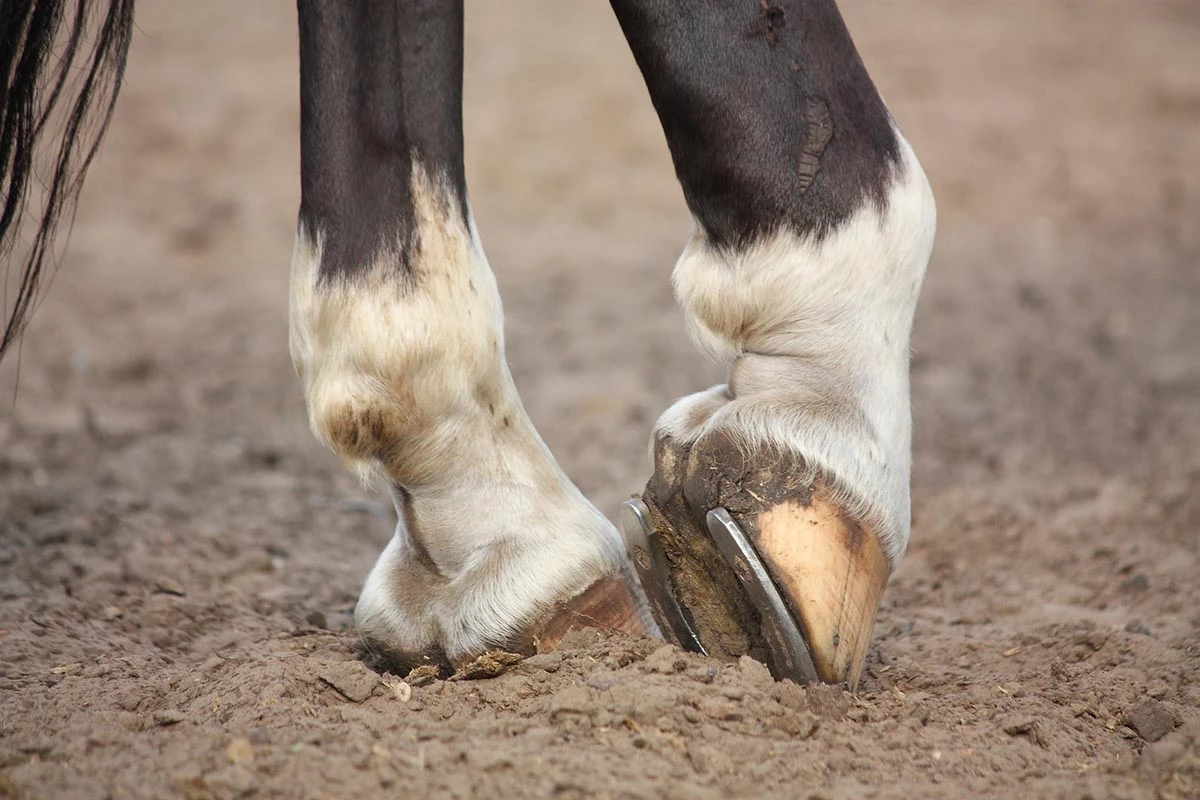
🐾 7. Maintain Hoof Health
Mexico’s terrain — from dry desert to tropical humidity — affects hooves differently.
-
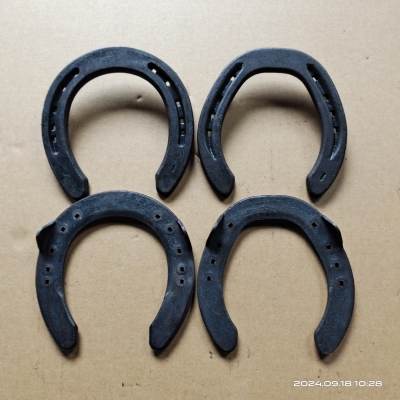
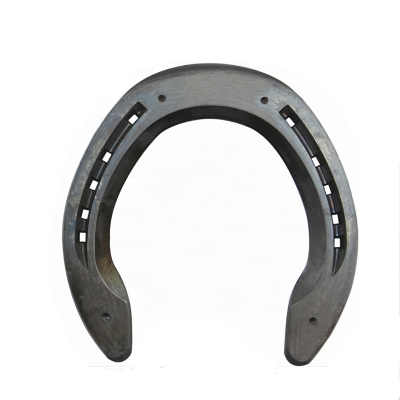
Trim or shoe every 6–8 weeks by a qualified farrier (herrador).
-
Pick hooves daily to remove stones and prevent infections.
-
Keep floors dry and avoid standing water.
-
Schedule regular farrier visits — consistent care prevents cracks and lameness.
Healthy hooves = a healthy horse.
👩⚕️ 8. Veterinary and Preventive Care
Establish a relationship with a local equine veterinarian before problems arise.
Ask about recommended vaccines for your area — common ones include:
-
Tetanus
-
Equine influenza
-
West Nile virus (important in northern and central regions)
-
Rabies (in certain rural areas)
Deworm every 3–4 months and have your vet check teeth once a year.
Learn to take your horse’s basic vitals (temperature, pulse, respiration) so you can spot early signs of illness.
🎯 9. Training, Handling & Bonding
Spend time daily with your horse, not just riding.
-
Practice leading, tying, grooming, and standing calmly.
-
Take lessons from a certified trainer — Mexico has many excellent equestrian and charrería schools.
-
Reward calm, obedient behavior with gentle voice and touch.
-
Avoid yelling or harsh corrections — horses respond best to consistency and confidence.
Building trust takes time, but it pays off with a responsive and happy partner.
⚠️ 10. Prioritize Safety
-
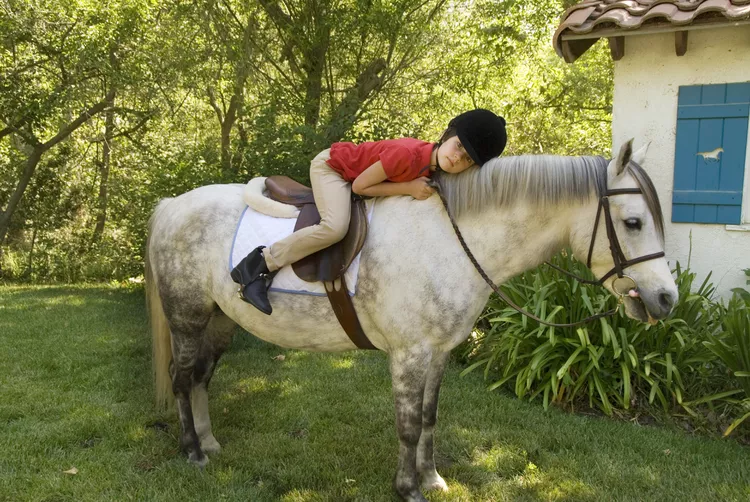
Always wear a helmet and sturdy boots when riding.
-
Keep children supervised near horses.
-
Train your horse to respect space and not crowd you.
-
Ensure gates and fences are always closed.
-
Keep a basic first-aid kit for both horse and rider.
A calm, safe environment reduces accidents for everyone.
🤝 11. Build Your Support Network
No one should manage a horse alone.
Find reliable professionals and friends:
-
A trusted veterinarian
-
A skilled farrier
-
A trainer or instructor
-
Local riders or equestrian clubs
Many Mexican communities have charro associations and ranchero riding groups — great places to learn, share, and get help when needed.
💬 12. Be Patient and Enjoy the Journey
Every horse and owner learn at their own pace.
There will be challenges — illness, training setbacks, unexpected expenses — but these are part of the experience.
Keep learning, ask questions, and enjoy the incredible bond that develops when you care for a horse with respect and consistency.
🌟 Final Advice
Owning a horse in Mexico can be one of life’s most rewarding adventures.
With the right preparation, a good support system, and daily care, your first horse can become a lifelong friend — whether you ride the trails of Jalisco, the beaches of Oaxaca, or the highlands of Puebla.
Owning your first horse in Mexico can be one of the most rewarding experiences of your life. Horses are noble, intelligent, and deeply connected to Mexican culture — from rural traditions to modern equestrian sports. However, success as a horse owner comes from preparation, patience, and respect for the animal’s needs.
Whether you plan to keep your horse on a ranch (rancho), at a local cuadra, or in a boarding stable (pensión), always remember: consistent care, good nutrition, and professional veterinary guidance will ensure your horse lives a long and healthy life.
In short — treat your horse as a partner, not a possession.
With dedication and love, your first horse will soon become your lifelong companion and a true part of your family. 🐴💛
❓ Frequently Asked Questions (FAQ)
1. How much does it cost to own a horse in Mexico?
Owning a horse in Mexico can cost between MXN $6,000–$15,000 per month, depending on stabling (pensión), feed, vet care, and location. Rural areas tend to be more affordable than urban stables.
2. Do I need a lot of land to own a horse?
Not necessarily. Many new horse owners use boarding stables (cuadras or pensiones) that provide care, feeding, and space for exercise. If you live on a ranch, ensure at least 0.5–1 hectare per horse for grazing and movement.
3. What vaccinations do horses need in Mexico?
Common vaccines include tetanus, equine influenza, West Nile virus, and rabies. Always consult a local veterinarian for region-specific disease prevention (e.g., tropical parasites or ticks).
4. Can I ride my horse anywhere?
In rural areas, trail riding (cabalgatas) is common and often part of local culture. In cities, you’ll need to ride within designated areas or private equestrian centers.
5. How can I find a good farrier or vet?
Ask for recommendations from local riders, ranch owners, or equestrian clubs. In Mexico, many experienced farriers (herradores) travel between ranches — reliability and reputation are key.
6. Is owning a horse difficult for beginners?
It requires time, commitment, and financial responsibility. But with the right guidance and a supportive equestrian community, many beginners in Mexico find it incredibly fulfilling.