
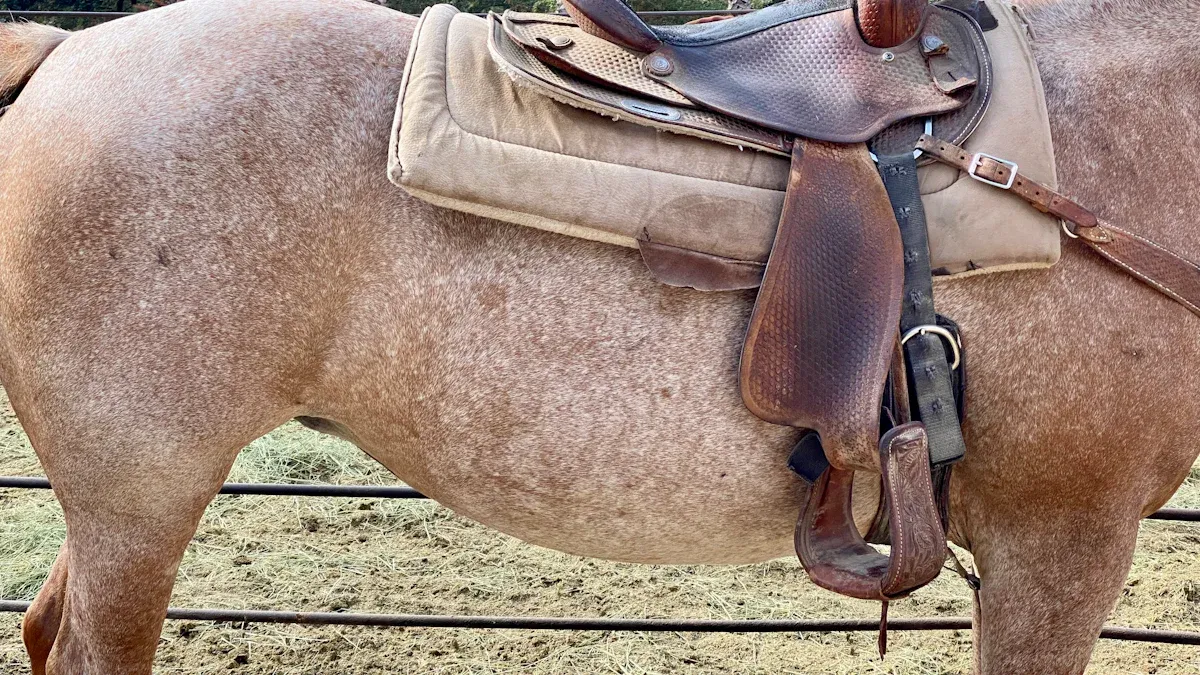
Caring for saddles is essential for horseback riding. Taking care of your saddle keeps it safe, comfy, and useful for both you and your horse. Different saddles require special care to remain strong and function effectively. Regular caring for saddles prevents damage, saves money, and enhances your riding experience. Saddle care involves cleaning, conditioning, and proper storage to protect both leather and synthetic materials.
Key Takeaways
- Taking care of your saddle keeps it safe and comfy.
- Each saddle type needs special cleaning to stay in good shape.
- Store your saddle properly to avoid damage and make it last longer. Use covers that let air through and keep it out of sunlight.
- Check your saddle often for any damage or wear to stay safe while riding.
- Get a professional to fit your saddle so it fits your horse well. This helps your horse feel better and perform better.
Types of Saddles and Their Care Requirements
English Saddles
English saddles are light and allow close contact with the horse. They are often used in sports like dressage, jumping, and eventing. Taking care of them helps them last longer and work better. Clean them often to get rid of dirt and sweat that can harm the leather.
To keep the leather soft, use a good conditioner like Passier's Lederbalsam. Rub it in gently with your fingers to cover all areas. Then, use a soft cloth to wipe off extra conditioner and make it shiny again. This care routine keeps the saddle looking nice and helps it last longer.
Western Saddles
Western saddles are bigger and heavier than English saddles. They spread the rider's weight evenly, making them great for long rides. These saddles are built for comfort and safety, which is why they are used for trail riding and ranch work.
To care for Western saddles, clean the leather often to stop it from cracking or drying out. Use a damp cloth to wipe off dirt, then apply leather cleaner. Conditioning is also important to keep the leather flexible. Because they are large, store them on a strong saddle rack to keep their shape and avoid damage.
Side Saddles
Side saddles are special and fancy, often used for traditional or formal riding. They need careful care to keep their beautiful design and usefulness. Clean them gently to avoid harming the delicate details. Use a soft brush or cloth to remove dust and dirt.
Conditioning the leather is very important, especially for older side saddles. Use a little conditioner to keep the leather soft and stop it from cracking. Store them properly by covering them with breathable fabric to protect them from dust and moisture.
Tip: No matter the type, regular care keeps saddles in good shape. A well-cared-for saddle makes riding comfortable for you and your horse.
Key Saddle Parts and Why They Matter
Knowing the main parts of a saddle helps you care for it. It also keeps you and your horse safe. Each part has a job to make riding comfy and steady. Here’s a simple guide to the important parts and their roles:
| Part | Why It’s Important |
|---|---|
| The Tree | The base of the saddle, spreads weight evenly. |
| The Seat | Gives comfort and balance, helping you stay steady. |
| The Pommel | Supports your legs and stops you from sliding forward. |
| The Cantle | Backs you up, making you feel secure while riding. |
| The Gullet | Protects your horse’s spine by keeping pressure off it. |
| The Panels | Spread your weight evenly to avoid sore spots on your horse. |
| The Flaps | Cover your legs and add stability, designed for riding styles. |
| Stirrup Leathers | Let you adjust stirrups for better posture and balance. |
| The Girth | Holds the saddle in place so it doesn’t slip. |
| The Billets | Attach the saddle to the girth, keeping it steady. |
Tip: Check these parts often to keep them in good shape. Broken or worn parts can make riding unsafe or uncomfortable for your horse.
A good saddle fit is just as important. It should match your horse’s back and leave space for the withers. A proper fit spreads your weight evenly, avoiding pain or injury. The seat should also fit your size to help you move freely and stay balanced. By focusing on these things, you’ll have a safer and happier ride for both you and your horse.
Cleaning and Conditioning Saddles
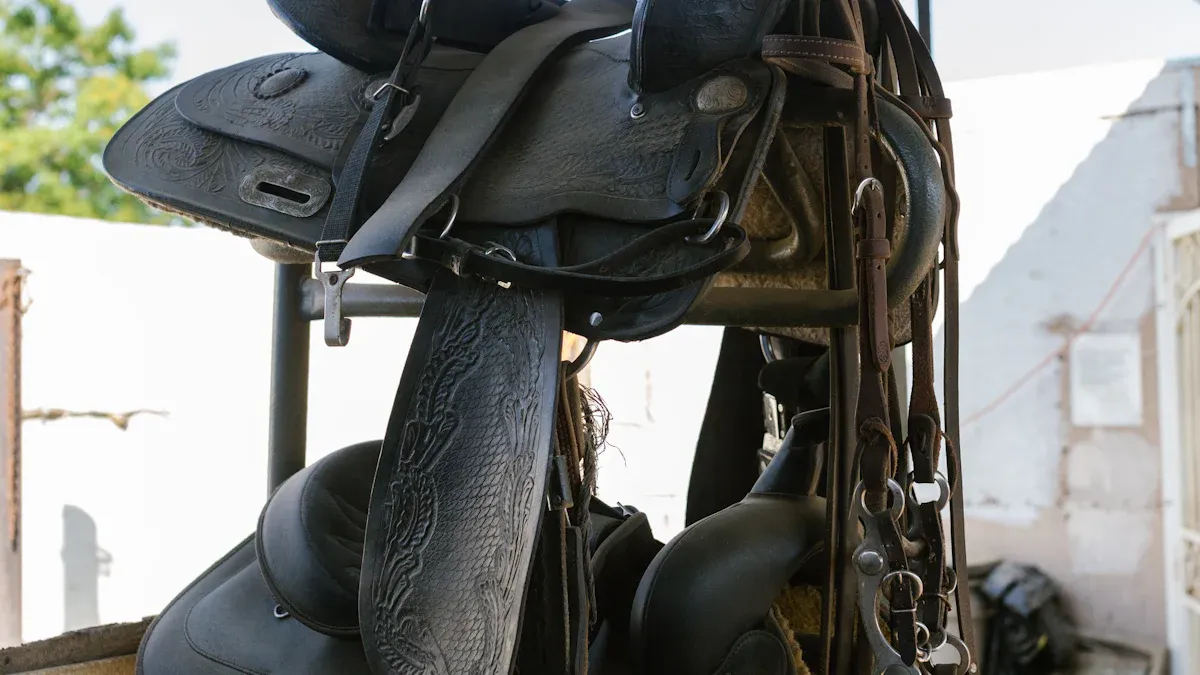
Cleaning and conditioning are key to keeping saddles in good shape. These steps help your saddle look nice and last longer. They also make riding safer and more comfortable for you and your horse. Follow these simple tips to care for your saddle properly.
Easy Steps to Clean Your Saddle
Cleaning your saddle often stops dirt and sweat from ruining it. Here’s a quick guide to follow:
- Get the Saddle Ready: Take off stirrups and girths. Use a damp cloth to wipe away dust and loose dirt.
- Wash the Saddle: Use saddle soap or leather cleaner with a sponge. Rub gently in circles, especially in seams and small spaces.
- Remove Soap Leftovers: Wipe off leftover soap with a clean, damp cloth. This stops buildup that can harm the leather.
- Dry It Well: Pat the saddle dry with a towel. Don’t use sunlight or heat, as they can crack the leather.
- Add Conditioner: Once dry, lightly apply leather conditioner. Follow the product’s instructions to avoid using too much.
- Shine Metal Parts: Wipe metal pieces with a dry cloth. Use silver polish if needed to make them shiny again.
Tip: Wipe your saddle after every ride to stop dirt buildup. Deep clean it weekly to keep it strong and durable.
Best Saddle Cleaning Products
Picking the right products is important for cleaning saddles. Here are some great options:
- Stubben Glycerin Saddle Soap: Cleans deeply, leaves no residue, and softens leather.
- Fiebing’s Yellow Saddle Soap: Removes tough dirt while keeping leather soft.
- Fiebing’s Glycerine Saddle Soap Spray: A quick spray for fast cleaning and moisturizing.
- Kiwi Saddle Soap: Affordable and protects leather with wax.
- Bickmore Saddle Soap Plus: Cleans and moisturizes, works well with other products.
For girths, rinse off sweat and use Neatsfoot oil to condition. Avoid Hydrophane oil, as it can harm some leather types. For Italian Calfskin saddles, use Passier Cream for the best results.
Note: Always test new products on a small spot first to make sure they’re safe for your saddle.
How to Condition Leather Saddles
Conditioning keeps leather saddles soft and strong. It also protects them from damage caused by weather. Here’s how to do it:
- Clean the saddle first to remove dirt. Conditioning dirty leather can trap grime and cause damage.
- Use a good conditioner like Obenauf’s Heavy Duty LP. It has natural oils and beeswax to protect the leather and keep it waterproof.
- Apply the conditioner lightly with a cloth or your fingers. Focus on areas like the seat and flaps that get used the most.
- Let the conditioner soak in for a few minutes. Then, use a clean cloth to wipe off any extra product.
Conditioning often keeps your saddle safe from dust, sun, and moisture. Don’t over-condition, as it can weaken the leather. A well-conditioned saddle lasts longer and makes riding more enjoyable.
Tip: Condition your saddle once a month or as needed, depending on how much you ride and the weather.
Caring for Synthetic Saddles
Synthetic saddles are great for riders who want easy care. These saddles are made from strong materials like synthetic leather or fabric. They resist water and wear, but still need care to stay in good shape.
One big benefit of synthetic saddles is how simple they are to clean. Unlike leather saddles, they don’t need special products. You can clean them with mild soap or a synthetic saddle cleaner. This makes cleaning quick and keeps the saddle looking nice. Follow these steps to clean your synthetic saddle:
- Take Off Accessories: Remove stirrups, girths, and other parts.
- Clean the Saddle: Use a damp cloth to wipe away dirt and dust.
- Use Cleaner: Spray or apply mild soap or synthetic cleaner. Scrub gently with a soft brush or sponge.
- Rinse and Dry: Wipe off cleaner with a damp cloth. Let it air dry in shade.
Tip: Don’t use harsh chemicals or rough tools. They can harm the material.
Even though synthetic saddles resist water, they can still wear out if not cleaned. Regular cleaning stops dirt from weakening the material. You don’t need to condition synthetic saddles, but check them often for cracks or loose stitching.
Compared to leather saddles, synthetic ones are tougher and easier to care for. They don’t crack easily and don’t need frequent conditioning. Still, proper cleaning and storage are important to make them last longer.
By learning how to care for synthetic saddles, you’ll enjoy riding without worry. Whether you’re new to riding or experienced, taking care of your saddle keeps it strong and looking good.
Proper Storage for Saddles

Storing your saddle the right way keeps it in great shape. Using good storage methods stops damage, mold, and mildew. It also helps your saddle last longer.
Best Storage Conditions
Keep your saddle in a dry, airy place to protect it. A tack room with steady temperature and airflow is ideal. Don’t leave your saddle in sunlight. Sunlight dries leather and causes cracks. Heat can also remove natural oils, making leather weak.
Control humidity to stop mold and mildew. Too much moisture can ruin your saddle. Use a dehumidifier if the area is damp. A stable environment keeps your saddle in good condition.
Tip: Clean and condition your saddle before storing it. This stops dirt and sweat from causing harm.
Using Saddle Racks and Covers
A strong saddle rack is important for storage. It holds the saddle’s shape and stops it from bending. Pick a rack that spreads weight evenly to avoid damage. Wall-mounted or standing racks are both good options.
Cover your saddle with breathable fabric. This keeps dust away but lets air flow through. Don’t use plastic covers. They trap moisture and can cause mold. A good cover keeps your saddle clean and safe.
Stopping Mold and Mildew
Mold and mildew grow in wet, stuffy spaces. Follow these tips to stop them:
- Clean and condition your saddle before putting it away.
- Use fabric covers that let air flow.
- Keep the storage area dry and airy.
- Avoid plastic covers that hold in moisture.
- Keep the tack room at a steady temperature.
These steps protect your saddle from mold and mildew. Good storage keeps it looking nice and ready for riding.
Tips for Traveling with Saddles
Traveling with saddles needs good planning to keep them safe. Whether going to a show or trail ride, these tips will help protect your saddle from damage.
First, pick a strong saddle bag. A padded, waterproof bag keeps your saddle safe from scratches, dirt, and water. Choose bags with strong zippers and handles for easy carrying. If you have more than one saddle, label each bag to avoid mix-ups.
When placing saddles in a vehicle, use a flat, stable spot. Don’t stack them directly on top of each other. This can cause dents or bending. Put blankets or foam between saddles to stop rubbing and damage.
If traveling with horses, make sure they are comfortable and safe. Studies show most horses travel in three-horse stalls, which give enough space. Horses usually wait about 2 hours before leaving, so plan your time well. Most horses load easily, but some may resist. Stay calm and patient to keep stress low for both you and the horse.
Tip: After traveling, check your saddle for scratches or loose stitching. Fix problems quickly to avoid bigger issues later.
For air travel, check airline rules for saddles. Some airlines let you check them as luggage, while others need special plans. Pack your saddle carefully and add a note with your contact details in case of problems.
By following these steps, your saddle will stay in great shape during travel. Careful planning makes trips easier and keeps your gear ready for riding.
Identifying Wear and Replacing Saddles
Signs of Wear and Damage
Knowing when your saddle is worn out is very important. Over time, saddles can get damaged, which affects you and your horse. Look out for these common problems:
- Cracks or dryness in leather show it needs conditioning.
- Loose stitching in areas like girth straps or stirrup leathers.
- Worn or uneven padding can hurt your horse's back.
- Rusty or broken metal parts, like buckles or stirrup bars.
Your horse’s actions can also show saddle issues. If your horse seems uncomfortable during grooming or riding, the saddle might not fit well. Check the saddle pad after riding for pressure marks. These marks can mean uneven weight on your horse’s back.
High pressure often happens near the T10-T13 vertebrae. This can cause back pain, making proper saddle fit very important.
Studies show that saddles with high-pressure points can lead to back pain, especially during galloping. Checking for these signs regularly helps keep your horse comfortable and prevents bigger problems.
Regular Saddle Inspections
Checking your saddle often is a big part of its care. Regular inspections help you find and fix problems early. Follow these steps to check your saddle:
- Look at the Leather: Check for cracks, dryness, or color changes. These mean it needs conditioning or fixing.
- Check the Stitching: Look for loose or broken threads, especially in stressed areas like billets.
- Feel the Padding: Run your hands over the panels to check for uneven spots. Uneven padding can hurt your horse.
- Inspect Metal Parts: Look for rust or damage on buckles, stirrup bars, and D-rings. Replace broken parts quickly.
- Test the Tree: Gently bend the saddle to see if the tree is broken. A broken tree can harm your horse.
Do these checks every month or after heavy use. Regular inspections keep your saddle in good shape and save money on repairs.
Tip: Use a checklist to make sure you don’t miss anything. Regular checks help your saddle last longer.
Repairing vs. Replacing Saddles
When your saddle is damaged, decide whether to fix or replace it. Small problems, like loose stitching or tiny cracks, can be fixed by a professional. Repairs are cheaper and make your saddle last longer.
But some damage means you need a new saddle. A broken tree can’t be fixed and makes the saddle unsafe. Badly damaged leather or worn-out parts may also mean it’s time for a replacement.
Think about your saddle’s age and value. If repairs cost more than the saddle is worth, buying a new one is smarter. A new saddle ensures safety and comfort for you and your horse.
Note: Always ask a professional saddler for advice. They can check the damage and tell you what to do.
By checking your saddle often and fixing problems early, you avoid surprises. Taking care of your saddle keeps it safe and ready for riding.
Importance of Professional Saddle Fitting
Getting a professional to fit your saddle is very important. It keeps both you and your horse safe and comfortable. A bad-fitting saddle can hurt your horse, causing pain or health problems. It can also make it harder for you to sit properly, which might lead to accidents. A professional saddle fitter helps avoid these issues, making riding safer and more fun.
Why Professional Saddle Fitting Matters
Your horse’s back changes over time due to age, training, or weight. A saddle that fit last year might not fit now. Regular checks by a professional help adjust the saddle to these changes.
- Dr. Sue Dyson’s research shows that good saddle fit helps riders notice when horses feel discomfort. This is important for keeping your horse healthy and safe.
- Studies say horses’ backs change quickly, so frequent saddle checks are needed.
- Prof. Lars Roepstorff found that a bad saddle fit can harm your posture. Poor posture increases the chance of falling.
Tip: Get a professional saddle fitting once a year or if your horse’s behavior changes.
Safety Benefits of Professional Saddle Fitting
Research proves that professional saddle fitting makes riding safer for you and your horse. The table below shows key findings:
| Evidence Type | Findings |
|---|---|
| Improved Neck Posture | Horses moved better with the SMART™ saddle, improving stride length. |
| Reduced Saddle Displacement | The SMART™ saddle stayed in place, helping rider posture. |
| Improved Horse, Saddle, Rider Symmetry | The SMART™ saddle improved balance, making riding more comfortable. |
| Reduced Peak Pressures | Pressure mapping showed less pressure with the SMART™ saddle. |
| Improved Alignment | Better alignment of horse, saddle, and rider was observed. |
These results show that a well-fitted saddle helps your horse move freely, reduces pressure, and improves your posture. This makes riding more comfortable and lowers the risk of injuries.
How to Work with a Professional Saddle Fitter

A professional saddle fitter checks your horse’s back, your riding style, and the saddle. They use tools like pressure mapping to find the best fit. They may adjust your saddle or suggest a new one if needed.
Note: Pick a certified saddle fitter who knows your riding style. Their skills ensure the best fit for you and your horse.
Spending on professional saddle fitting protects your horse’s health and improves your rides. A good fit creates a safer and happier bond with your horse.
Taking care of saddles helps you and your horse ride safely. Knowing your saddle type and how to care for it is important. Clean, condition, and store it properly to avoid damage. This also makes it last longer. Watch for wear and fix problems quickly. Ask experts for help, like getting a saddle fitted. Regular care keeps your saddle strong and useful for many years.
FAQ
What’s the best way to clean a leather saddle?
Wipe dirt off with a damp cloth. Use saddle soap and a sponge to clean it. Remove leftover soap with a clean cloth. Let the saddle dry in shade. Avoid sunlight or heat to stop cracks.
How often should you condition your saddle?
Condition your saddle monthly or when needed. If you ride often or in bad weather, condition it more. Too much conditioner can harm leather, so use it lightly after cleaning.
Can synthetic saddles be harmed by water?
Synthetic saddles handle water better than leather ones. But long exposure to water can weaken stitching or damage the material. Dry synthetic saddles well after cleaning or rain.
How can you stop mold on saddles?
Keep saddles in dry, airy places. Use breathable covers to block dust but allow airflow. Clean and condition leather saddles to remove moisture that causes mold.
Why is professional saddle fitting needed?
Professionals make sure saddles fit your horse and riding style. A good fit stops discomfort, improves posture, and lowers injury risks for you and your horse.
Tip: Check your saddle often for damage to keep it safe and working well.